Rules & rights · EU
The EU General Safety Regulation on paper: the mandatory safety systems every new vehicle must carry since 7 July 2024
A standing reference to Regulation (EU) 2019/2144, the EU market's General Safety Regulation: which safety systems it requires for cars, vans, trucks and buses, when the deadlines applied, what the Commission says it is expected to save, and the framework it sets for automated vehicles.
On video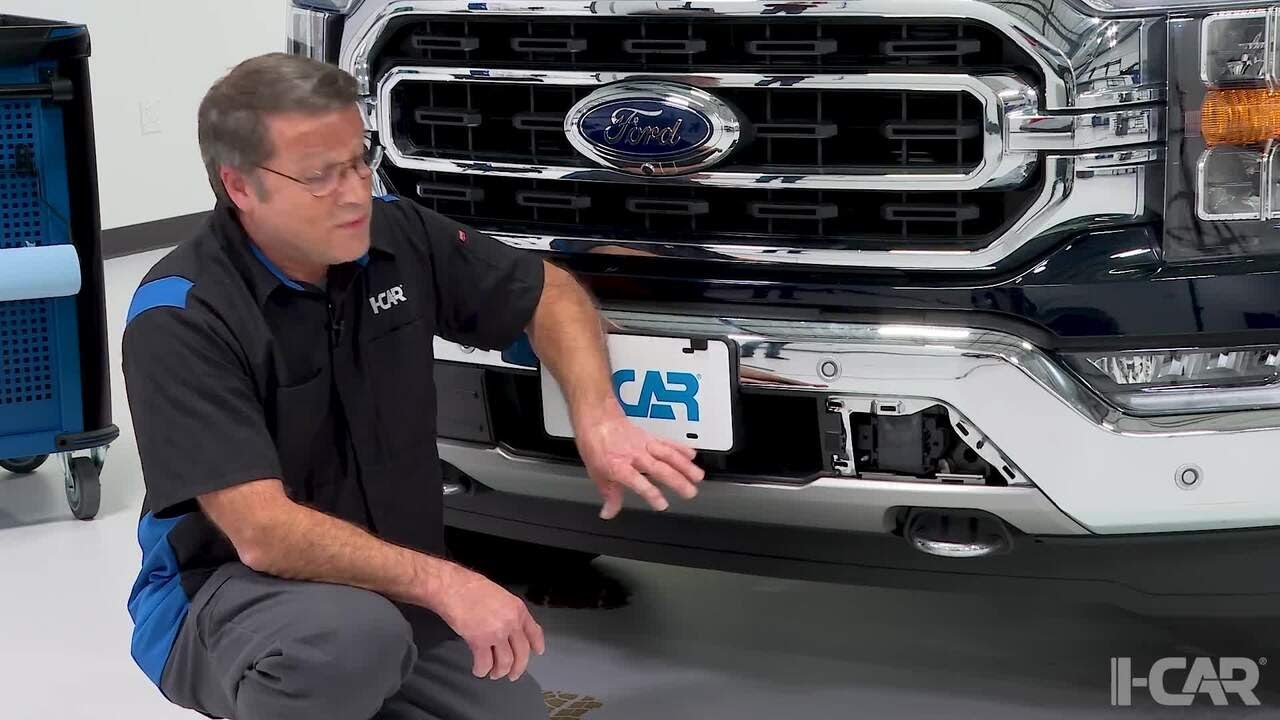 Front Radar Sensors - Just In TimeI-CAR · opens the player
The recording belongs to I-CAR and plays from YouTube; opening it lets YouTube see the request. Watch on YouTube.
Since 7 July 2024, all new motor vehicles sold in the EU — cars, vans, trucks and buses — must carry a set of mandated safety systems as standard. The requirement comes from the General Safety Regulation, Regulation (EU) 2019/2144 of the European Parliament and of the Council of 27 November 2019, which the Commission describes as introducing "a range of mandatory advanced driver assistant systems to improve road safety" and establishing the legal framework for the approval of automated and fully driverless vehicles in the EU.
The new regulation replaced an earlier general safety rule, Regulation (EC) No 661/2009 of 13 July 2009 concerning type-approval requirements for the general safety of motor vehicles, which required electronic stability control on all vehicles and, on heavy-duty vehicles, advanced emergency braking and lane departure warning systems.
What the regulation requires, and when
The revised General Safety Regulation was adopted on 27 November 2019 and applies from 6 July 2022. The rules apply to new vehicle types immediately and to all new vehicles from 7 July 2024. The Commission says it will expand some of the new measures to cover different kinds of road vehicles until 2029.
The Commission's published list of mandatory features breaks down by vehicle category, and not every item is a driver-assistance system — event data recorders and cybersecurity are required too:
- For all road vehicles (i.e. cars, vans, trucks and buses): intelligent speed assistance, reversing detection with camera or sensors, attention warning in case of driver drowsiness or distraction, event data recorders, cybersecurity as well as an emergency stop signal.
- For cars and vans: additional features like lane-keeping systems and automated braking.
- For buses and trucks: technologies for better recognition of possible blind spots, warnings to prevent collisions with pedestrians or cyclists and tyre pressure monitoring systems.
The Commission's news item of 5 July 2024 lists the same requirements in plain terms: all new motor vehicles, including cars, vans, trucks and buses, now need to integrate intelligent speed assistance solutions, cameras or sensors for reversing detection, attention warnings in case of driver drowsiness, as well as emergency stop signals. In addition, cars and vans should now be equipped with lane keeping and automated braking systems and event data recorders, while buses and trucks require technologies for better recognising possible blind spots, integrated warning systems and specific tyre pressure monitoring systems.
What the Commission says it is expected to save
According to the Commission, the new measures are expected to help save over 25,000 lives and avoid at least 140,000 serious injuries by 2038, having applied to new vehicle types since July 2022. The Commission frames the rules as better protecting passengers, pedestrians and cyclists across the EU. Commissioner for the Internal Market Thierry Breton said: "With the general safety rules now applying to all new motor vehicles, we will better protect passengers, pedestrians and cyclists across Europe, while keeping EU industry's leadership in driver assistant systems."
Beyond the assistance systems
The regulation is not confined to driver-assistance features. The Commission's automotive pages also cover rules for automated and connected vehicles, including safety and cybersecurity, and the legal framework for higher levels of automation: technical rules for fully driverless vehicles (level 4 of automation, for example urban shuttles or robotaxis) adopted by the Commission, EU legislation aligning with United Nations rules on level 3 automation for motorway use, and EU legislation transposing UN Regulation 171 on Driver Control Assistance Systems (DCAS) for assisted driving (level 2 automation).
To check a vehicle against this reference, the Commission publishes the primary documents on its automotive-industry pages: the full text of Regulation (EU) 2019/2144 of the European Parliament and of the Council of 27 November 2019, the list of secondary legislation under it, and a General Safety Regulation factsheet. The Commission notes the scope of the measures is being expanded until 2029, so the published list is the document to compare a vehicle's equipment against.
From the source
- Vehicle safety and automated/connected vehicles - Internal Market, Industry, Entrepreneurship and SMEs
- Vehicle Safety Systems - Mobility and Transport - European Commission
- Mandatory drivers assistance systems expected to help save over 25,000 lives by 2038 - Internal Market, Industry, Entrepreneurship and SMEs