Rules & rights · US
How a US light-duty vehicle gets EPA certified: the certificate of conformity path, step by step
Before a new passenger car or truck can be sold in the United States, the Clean Air Act requires that it be covered by an EPA certificate of conformity. The US EPA's own certification pages lay out a nine-step process in the EV-CIS system, from manufacturer registration to the certificate arriving in an electronic inbox. This explainer walks through that path and the testing layers that surround it.
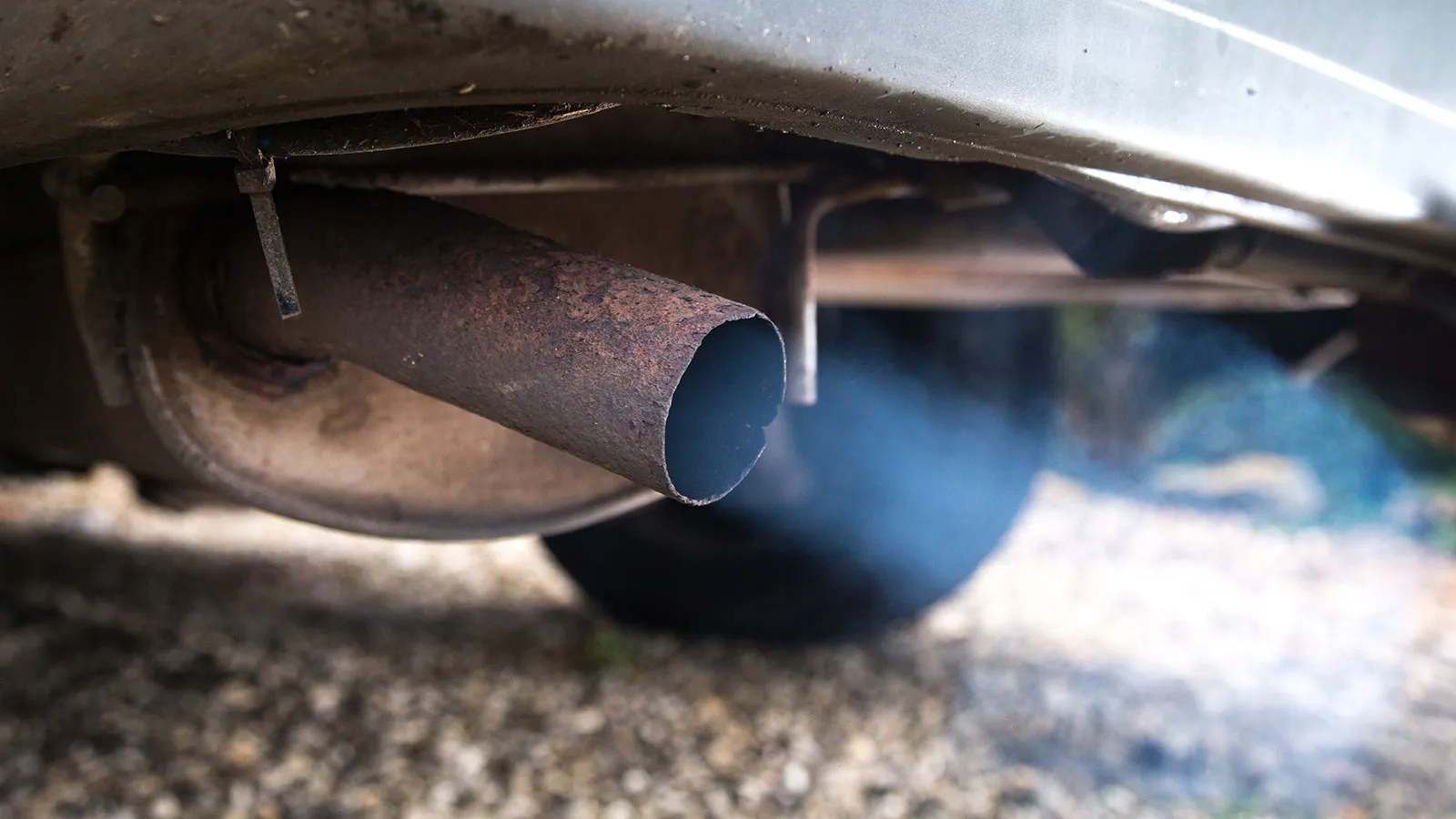
Nothing enters US commerce without paperwork. Under the Clean Air Act, the US EPA (the federal agency that administers the law for the United States market) requires that every engine and vehicle sold there be covered by a certificate of conformity before it can enter into commerce. The certificate demonstrates that the vehicle conforms to the applicable emission requirements, and for light-duty cars and trucks it covers a specific test group for each manufacturer.
The certificate is not issued on a whim after the first car rolls off a line. It is the end point of a defined certification process that the manufacturer runs through EPA's Engines and Vehicles Compliance Information System (EV-CIS), a step the agency lists in nine numbered stages on its certification page for light-duty passenger cars and trucks. Here is how that path unfolds, as described by EPA.
Registering, disclosing and paying
The first stages are administrative. A manufacturer cannot simply log in and start filing; it has to establish itself in the system and keep its record current, and fee obligations sit alongside the paperwork. The agency's steps read as follows:
- Register for access to EV-CIS for the specific manufacturer code being certified, and set up an account establishing the necessary EV-CIS roles
- Update manufacturer information in EV-CIS, which requires the "Maintain Manufacturer Information" role and covers items such as industry sectors, addresses, contacts, test labs and notification email addresses
- Review the applicable regulations: 40 CFR Part 85 (control of air pollution from mobile sources), 40 CFR Part 86 (control of emissions from new and in-use highway vehicles and engines) and 40 CFR Part 600 (fuel economy and greenhouse gas exhaust emissions of motor vehicles), plus selected guidance letters
- Pay the appropriate certification fees, where a fee payment may be required for each certificate issued by EPA
Building and filing the application
With access, current records and the regulatory picture in hand, the manufacturer prepares its materials. For each model year in an engine family, EPA says the applicant must provide the applicable certification dataset and supporting materials, which for passenger cars and trucks include the EV-CIS documentation and calculator tools the agency publishes, such as its generic electric vehicle label calculator and its plug-in hybrid electric vehicle calculator. The submission itself then goes through EPA's Central Data Exchange (CDX) portal.
EPA confirms receipt quickly, but acceptance of a submission is not the certificate. The agency's page notes that within a few minutes of all submissions, the submitter receives a notification in their CDX inbox indicating whether the submission was accepted or rejected. Only after that does the final request for a certificate happen, and it must be filed by a specific authorized role: a CROMERR signer submits a request for certificate (RFC) for each test group. The signer then receives the certificate itself in their CDX inbox.
The testing behind the certificate
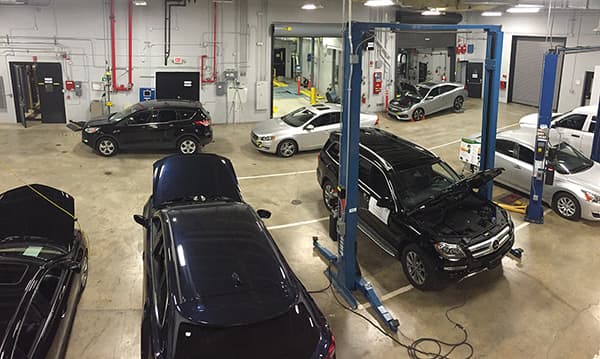
The certificate rests on data, not declarations. EPA describes a cascade of test programs that track a vehicle from before production into customer service. Certification testing is required as a condition of certification and is generally performed before a certificate is issued. Confirmatory testing is conducted by EPA itself to check the emissions data manufacturers submit. Once vehicles are certified and in service, in-use testing is generally conducted on privately-owned vehicles or engines, while production line testing audits emission levels of vehicles in production but not yet in service. Separately, fuel economy testing on light-duty passenger cars and trucks determines the values shown on the Fuel Economy and Environment Label.
Watching compliance after the sale
Certification is the gate, but EPA's oversight does not end there. The agency describes its compliance work as spanning pre-production, production and post-production phases, and it publishes recurring public reports on how manufacturers are doing: its Compliance Activity Reports for Vehicles and Engines and, for the light-duty fleet, its Light-Duty Automotive Technology, Carbon Dioxide Emissions, and Fuel Economy Trends Report. EPA also provides a route for members of the public to obtain a copy of the certificate of conformity for a given car.
Checking it yourself
Every step and requirement described above comes from EPA's own certification page for light-duty passenger cars and trucks and its overview of certification and compliance, both read in October 2026; procedures and fees can change, so consult those pages for the current version. If you want to see the certificate for a specific vehicle, EPA's overview page links instructions on how to request a copy for a car, and the agency's annual compliance and fleet-trends reports are published for public download.