Rules & rights · US
How NHTSA defines the levels of driving automation — and why Levels 3-5 are not for sale to US consumers
The US National Highway Traffic Safety Administration divides driving automation into six levels, 0 through 5, with Levels 0-2 described as driver assistance where the human remains fully engaged. Per the agency's own pages, Level 3-5 technologies are not on today's vehicles for consumer purchase, and NHTSA says no vehicle currently for sale in the United States is fully automated. This explainer runs through the definitions in the agency's own words and the crash-reporting regime attached to them, citing the US market throughout.
On video The Assisted-Driving Tier List!Auto Focus · opens the player
The recording belongs to Auto Focus and plays from YouTube; opening it lets YouTube see the request. Watch on YouTube.
Many vehicles on the road today have driver assistance technologies, and manufacturers use their own marketing names for them. In the US, the federal body that defines how these capabilities are classified is the National Highway Traffic Safety Administration (NHTSA), part of the US Department of Transportation. NHTSA's own consumer pages sort the technology into a scale of levels from 0 to 5, and the agency's framing is blunt: even the highest level of automation available to consumers today still requires a fully attentive driver.
NHTSA frames the stakes with a fatality figure. On its driver assistance topic page, the agency states that 39,254 people died in motor vehicle crashes in 2024, and notes that many of these crashes were tied to human error — the motivation for systems designed to warn a driver or take action to avoid a crash. This article reports the agency's published framework and definitions for the US market; it holds no driving impression, no measurement of ours and no verdict on any brand or system.
Levels 0-2: assistance, not automation
The three lowest levels are all versions of the same principle. NHTSA labels the driver-responsibility rule for Levels 0-2: "You Drive, You Monitor." The scale runs as follows:
- Level 0 — Momentary Driver Assistance: the system provides momentary driving assistance, like warnings and alerts, or emergency safety interventions (NHTSA's examples: automatic emergency braking, forward collision warning, lane departure warning).
- Level 1 — Driver Assistance: continuous assistance with either acceleration/braking OR steering, while the driver remains fully engaged and attentive (examples: adaptive cruise control, lane keeping assistance).
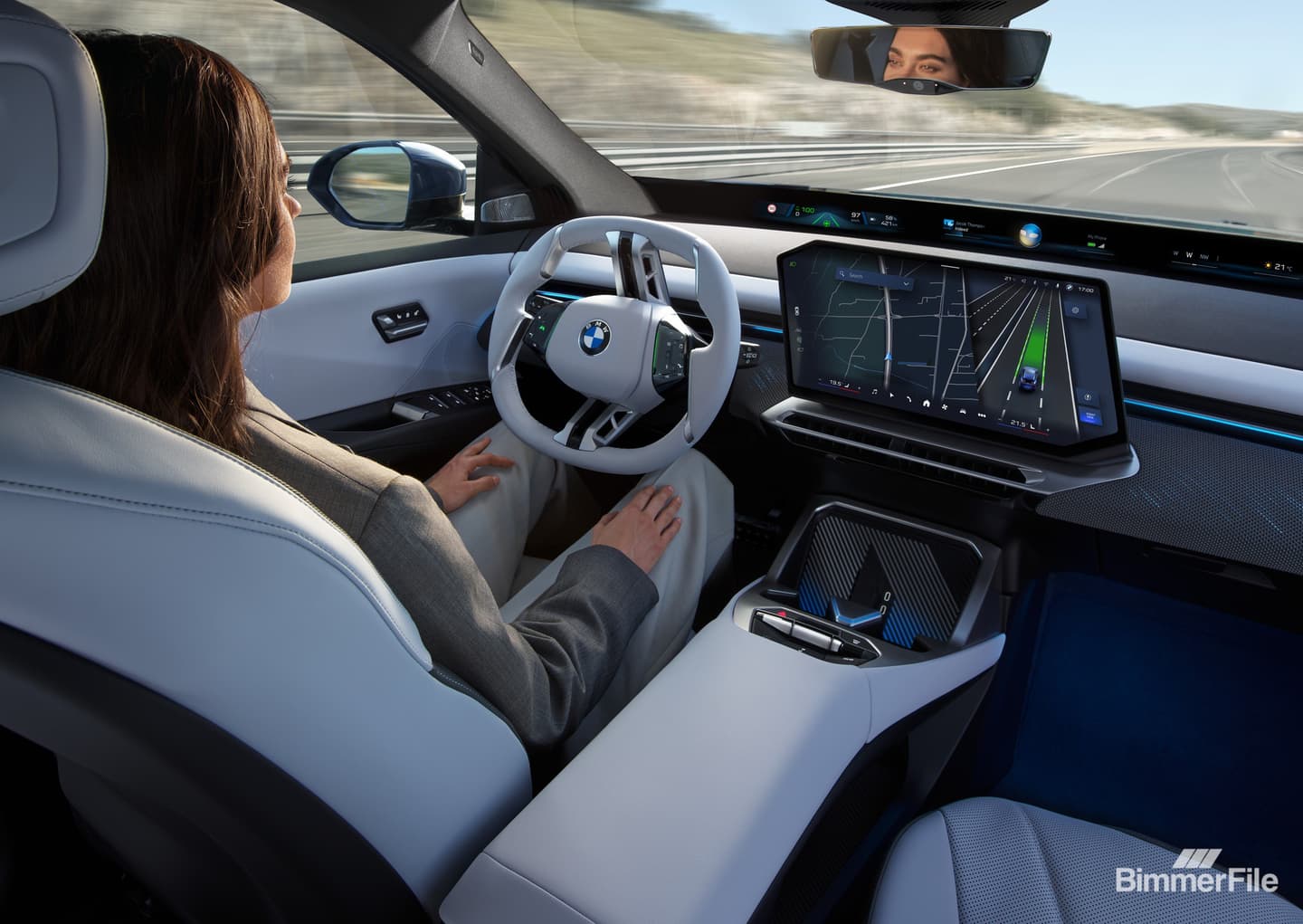
- Level 2 — Additional Assistance: continuous assistance with both acceleration/braking AND steering, while the driver remains fully engaged and attentive (the agency's example: highway pilot).
The difference between the levels rests on what the system can do simultaneously. Level 1 covers one axis of the driving task — steering or speed — while Level 2 combines them. NHTSA's Level 2 example of lane centering assistance and adaptive cruise control working together mirrors the language the agency used in its 2021 crash-reporting order, which described Level 2 ADAS as combining technologies "where the vehicle is able to control certain aspects of steering and speed."
Levels 3-5: not on consumer sale
NHTSA's driver assistance page states plainly that Level 3-5 technologies "are not available on today's vehicles for consumer purchase." The automated vehicle safety page defines the upper end of the scale: Level 3 is conditional automation, where the system actively performs driving tasks while the driver remains available to take over when requested; Level 4 is high automation, with the system fully responsible for driving tasks within limited service areas. The agency is equally direct in its FAQ: "There is no vehicle currently available for sale that is fully automated or 'self-driving'" and every vehicle currently for sale in the United States requires the driver's full attention at all times.
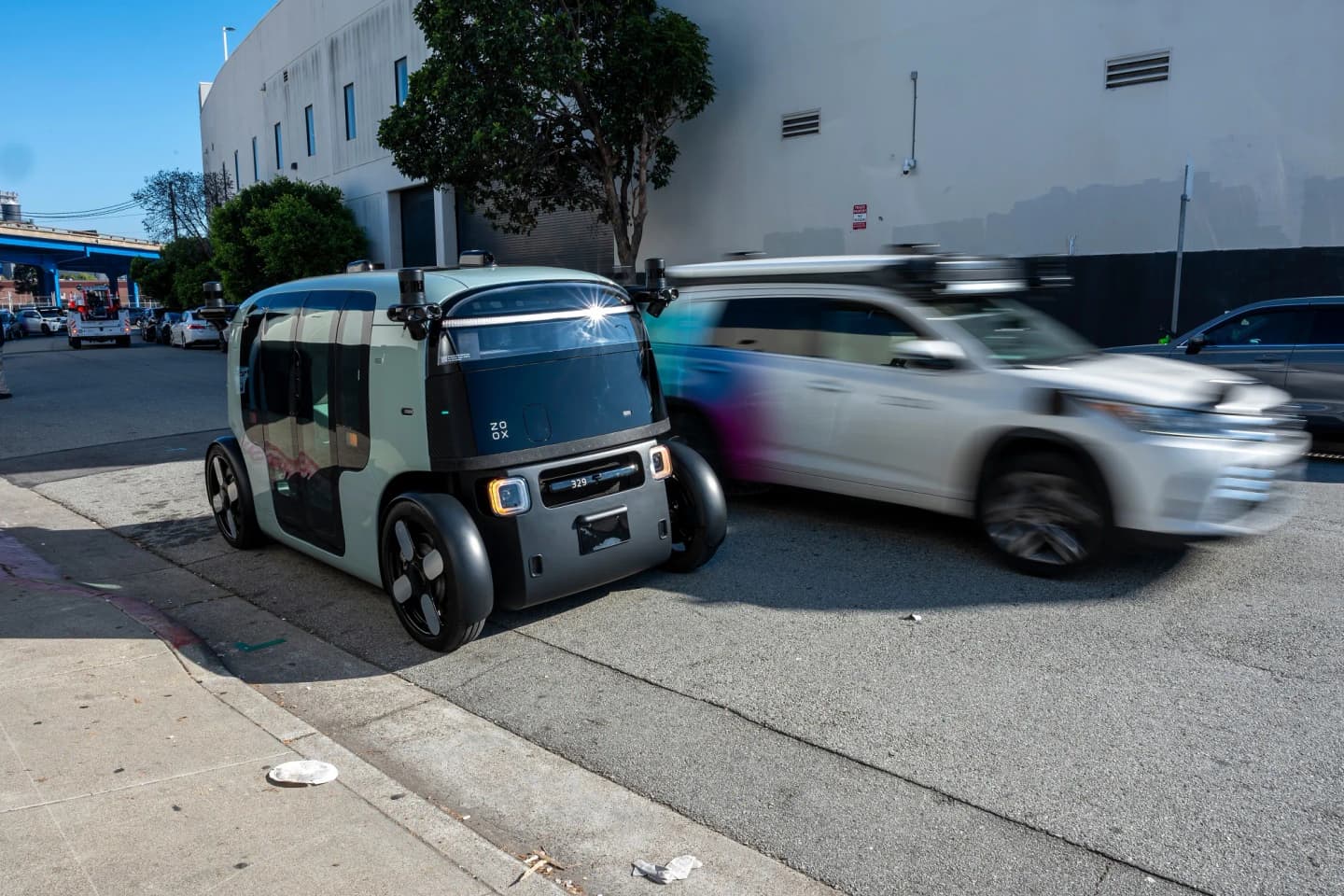
NHTSA also follows industry standards in refusing the phrase "self-driving" for higher levels of automation, saying the term describes a vehicle's state of operation rather than its capabilities and is too often falsely associated with how today's drivers need to interact with a vehicle. ADS-equipped vehicles able to perform the complete driving task in limited circumstances are in limited use on public roads in the US for testing, ride sharing and goods delivery, which states permit in testing, research and pilot programs.
The level scale is not only a labeling exercise: it determines what data the agency demands. On June 29, 2021, NHTSA issued a Standing General Order requiring manufacturers and operators of vehicles equipped with SAE Level 2 ADAS or SAE Levels 3-5 ADS to report crashes on public roads in the United States. Under the order as issued, companies must report within one day crashes involving such a vehicle that also involve, among other things, a hospital-treated injury, a fatality, a vehicle tow-away, an air bag deployment or a vulnerable road user, with an updated report due 10 days after learning of the crash; every month, companies must report all other ADS crashes involving injury or property damage, updated monthly.
Then-Acting Administrator Dr. Steven Cliff tied the mandate to the agency's core function. The framework has since evolved: in 2025, USDOT unveiled a new automated vehicle framework, including an amendment to the Standing General Order and domestic exemptions under NHTSA's automated vehicle exemption program. The lineage goes back further — in 2016, NHTSA and the US Department of Transportation issued the Federal Automated Vehicles Policy, followed by Automated Driving Systems: A Vision for Safety.
Where to check a vehicle yourself
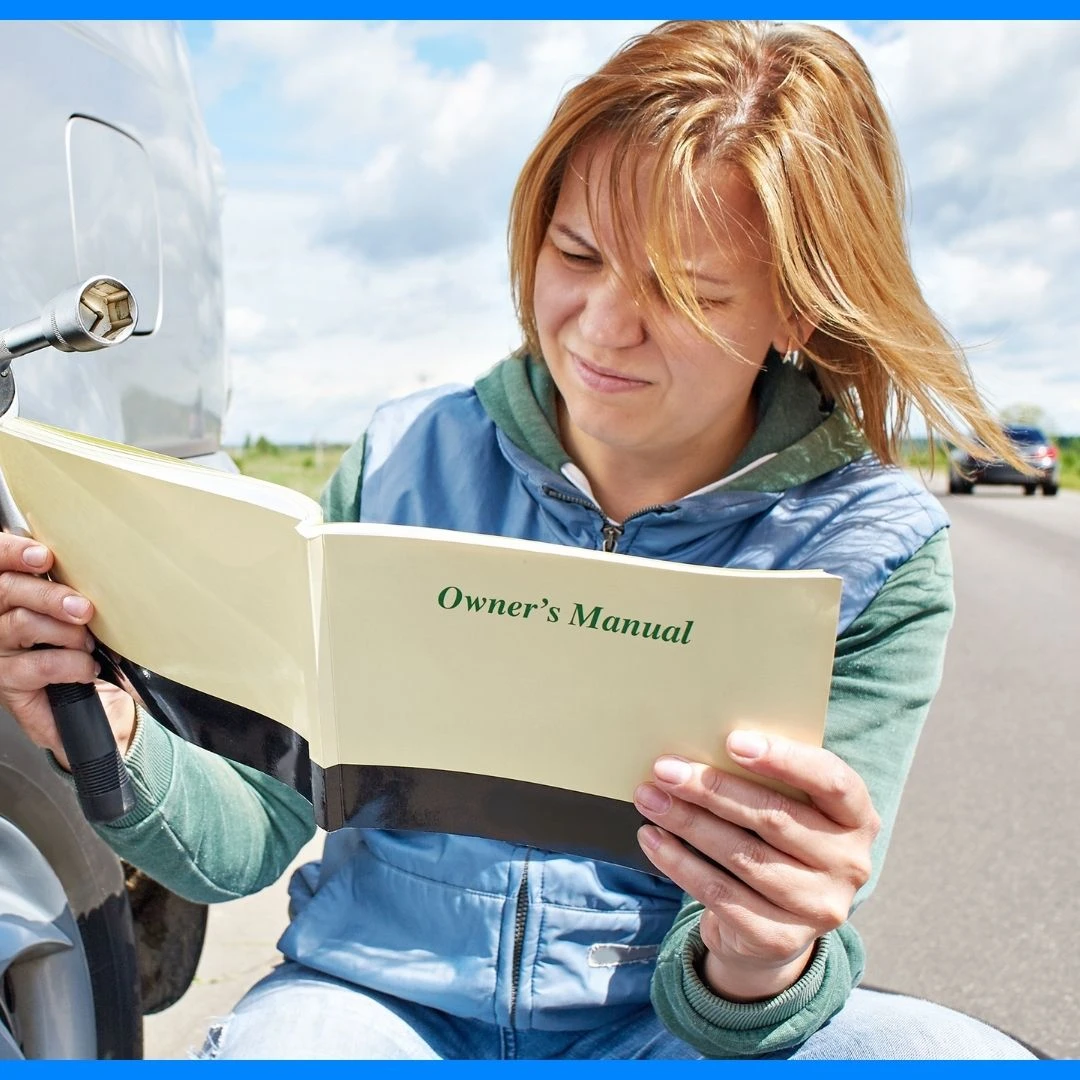
NHTSA publishes its level definitions and the list of technologies it recommends on nhtsa.gov, alongside a search tool showing whether a given system is available on a specific vehicle. For a car you own or are buying, the agency directs buyers to the owner's manual for details of that vehicle's technology, and to NHTSA's 5-Star Safety Ratings when shopping for a new one. If you believe your vehicle has a safety defect, NHTSA asks the public to contact the agency online or by phone, Monday through Friday, 8 a.m. to 8 p.m. ET, at its Vehicle Safety Hotline, 888-327-4236. Because agency pages and requirements are updated, verify the definitions and any reporting terms against the current pages on the NHTSA website rather than relying on any snapshot of them.