Rules & rights · EU
EU CO2 targets for new cars and vans on paper: Regulation 2019/631, the 2035 revision proposal and what it means for compliance
A reference guide to the EU's fleet-wide CO2 emission standards for new cars and vans, as documented by the European Commission: the 2025-2034 targets under Regulation (EU) 2019/631 and Implementing Decision (EU) 2023/1623, the 100% reduction target from 2035 under Regulation (EU) 2023/851, and the December 2025 Automotive Package proposal to soften the 2035 requirement to a 90% tailpipe reduction, with flexibilities for low-carbon Union steel and e-fuels and a cut to the 2030 vans target. Also explained: manufacturer-specific targets, pooling, ZLEV benchmarks, the €95 excess emissions premium, small-volume derogations, eco-innovation credits and real-world monitoring.
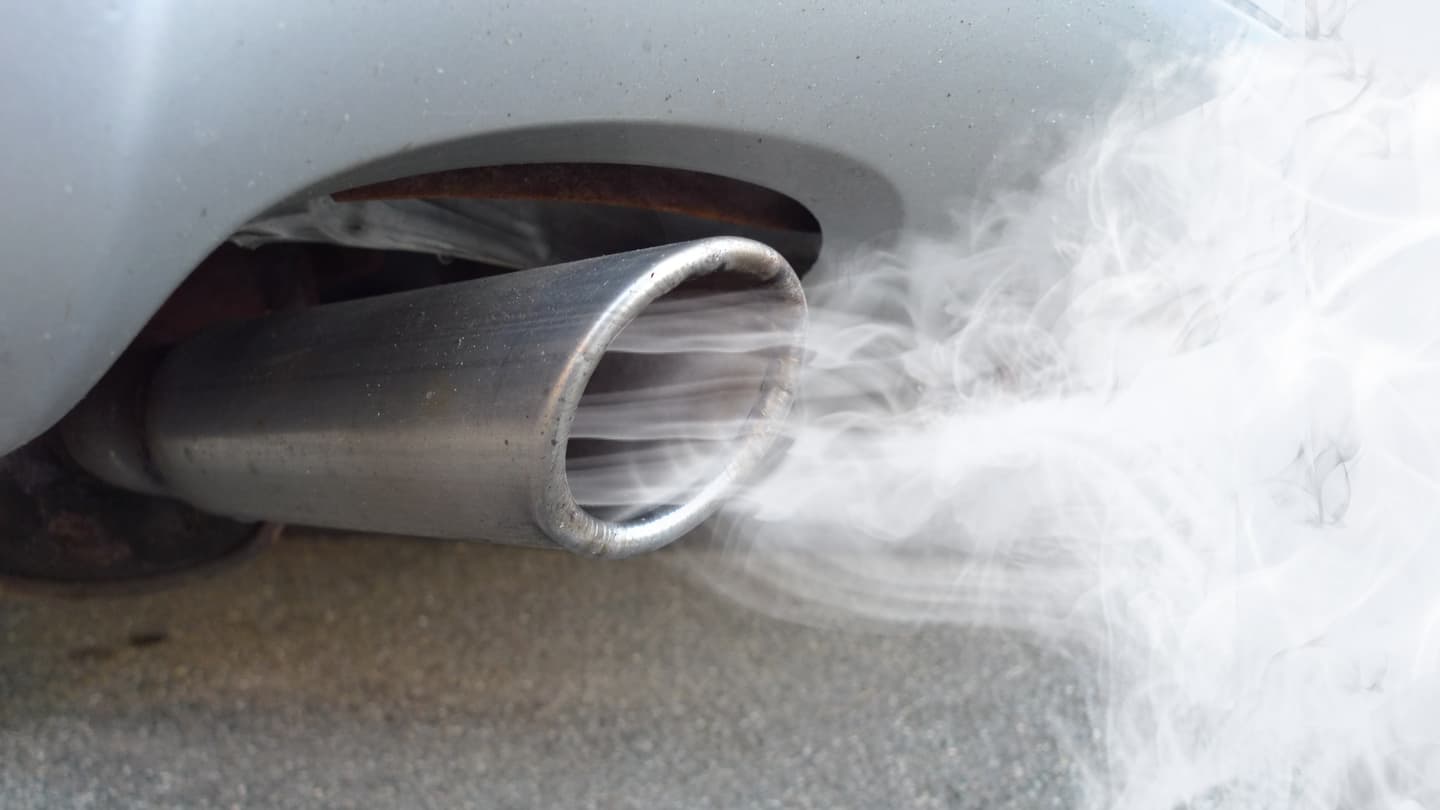
Under Regulation (EU) 2019/631, the European Union sets CO2 emission performance standards for new passenger cars and light commercial vehicles - the category EU law calls vans - sold in the single market. The Commission says passenger cars and light commercial vehicles are respectively responsible for around 16% and 3% of the EU's total CO2 emissions. Compliance is not judged vehicle by vehicle: each manufacturer's annual fleet-wide average must stay under a specific target.
According to the Commission's Climate Action page, average CO2 emissions from all new passenger cars registered in Europe fell by 28% between 2019 and 2024, while average emissions from new vans dropped by 9%. The page credits the surge in zero-emission vehicles, which amounted to 14.5% of new car registrations in the EU (and Norway and Iceland) in 2024, and 6.4% for vans.
The binding targets: 2025 to 2035
The fleet-wide targets in force from 2025 onward under Regulation (EU) 2019/631 were set out in Commission Implementing Decision (EU) 2023/1623. For cars, the target is 93.6 g CO2/km for 2025-2029 and 49.5 g CO2/km for 2030-2034. For vans, it is 153.9 g CO2/km for 2025-2029 and 90.6 g CO2/km for 2030-2034. From 2035 onwards, the fleet-wide target for both cars and vans is 0 g CO2/km, corresponding to a 100% reduction - a requirement introduced under Regulation (EU) 2023/851, part of the 'Fit for 55' legislative package.
The December 2025 proposal, in brief
In December 2025, the Commission presented the Automotive Package, which includes a proposal - not adopted law - for a review of the CO2 emission standards, accompanied by an impact assessment. Under the proposal, carmakers would need to comply with a 90% tailpipe emissions reduction target from 2035 onwards, with the remaining 10% compensated through the use of low-carbon steel made in the Union, or from e-fuels. The proposal would also grant a reduction for the vans segment, where the Commission says electric vehicle uptake has been structurally more difficult, cutting the 2030 CO2 vans target from 50% to 40%. Because this is a Commission proposal, its terms can change in the legislative process; the 0 g/km target under Regulation (EU) 2023/851 remains the law in force until an adopted revision replaces it.
How a manufacturer's target is worked out
The EU-wide figures translate into company-specific obligations by formula, not by a single number for everyone.
- A manufacturer's annual specific target derives from the EU fleet-wide target, adjusted for the average mass of its registered new vehicles, and is calculated under point 6 of Annex I (parts A and B) to Regulation (EU) 2019/631 using the values set out in Annex II to Commission Implementing Decision (EU) 2023/1623.
- Manufacturers whose share of ZLEVs (vehicles with emissions between 0 and 50 g CO2/km) exceeds a benchmark - 25% for cars, 17% for vans - get relief: each one percentage point exceedance of the benchmark raises the CO2 target by one percent, capped at a maximum of 5%.
- Manufacturers can form pools to meet targets jointly, subject to the rules of competition law; pooling between car and van manufacturers is not possible.
- Manufacturers responsible for fewer than 1,000 new cars or vans registered in the EU per year are exempt from meeting a specific target in the following year, unless they voluntarily apply for a derogation; a 'small-volume' manufacturer (under 10,000 new cars or 22,000 new vans registered per year) can propose its own derogation.
- Eco-innovations - technologies whose full CO2 savings are impossible to demonstrate during type-approval - earn emission credits, capped at 6 g CO2/km per manufacturer per year from 2025 to 2029 and 4 g CO2/km from 2030 to 2034; as of 2025, efficiency improvements for air conditioning systems become eligible.
The cost of missing a target
Exceeding a specific target carries a direct financial consequence. Under Regulation (EU) 2019/631, if a manufacturer's fleet average CO2 exceeds its specific emission target in a given year, it must pay - for each of its new vehicles registered in that year - an excess emissions premium of €95 per g/km of target exceedance.
Type-approval numbers versus the real world
The targets are set against laboratory type-approval values, and the Commission states that it assesses the real-world representativeness of the type-approval figures and works to prevent the gap between laboratory-tested and real-world emissions from growing. Since vehicles first registered in 2021, it has been collecting real-world data from cars and vans using on-board fuel consumption monitoring (OBFCM) devices.
How to check the current state of play: the Commission's Climate Action page on cars and vans lists the targets, the December 2025 proposal and the regulations in force; the European Environment Agency's CO2 Data Viewers for cars and vans publish per-manufacturer monitoring data, and its real-world emissions data viewer shows the type-approval versus real-world figures recorded since 2021. If the 2035 revision moves through the legislative process, the difference between the Commission proposal and whatever Parliament and Council adopt will be visible in the official procedure documents.