Rules & rights · US
FMVSS No. 127 on paper: what NHTSA's automatic emergency braking rule requires of US cars and light trucks by September 2029
The US automatic emergency braking mandate, finalized by NHTSA in April 2024 as FMVSS No. 127, sets performance requirements for cars and light trucks sold in the United States, with compliance by September 2029. Here is what the standard requires, according to NHTSA's own announcement.
Automatic emergency braking is on its way to becoming standard equipment on every new passenger car and light truck sold in the United States. The rule behind it is Federal Motor Vehicle Safety Standard No. 127, finalized by the US Department of Transportation's National Highway Traffic Safety Administration on April 29, 2024, with compliance required by September 2029. The standard covers both vehicle-to-vehicle braking and pedestrian detection, and it sets specific speed-based performance requirements that manufacturers must meet.
This is not a fresh announcement: the rule was finalized in April 2024, and the piece that follows is a reference on what the standard says. Because NHTSA frames the requirements as minimums that new vehicles must meet, a buyer shopping in the US market before September 2029 may find that many models already comply. NHTSA's Deputy Administrator Sophie Shulman said at the time that most new vehicles already come with AEB and that the agency expects many cars and light trucks to meet the standard ahead of the deadline.
What the standard requires
FMVSS No. 127 sets out what an AEB system in a covered US light vehicle must be able to do, in NHTSA's own terms:
- Stop and avoid contact with a lead vehicle at speeds up to 62 miles per hour, per the standard's braking test requirement.
- Apply the brakes automatically up to 90 mph when a collision with a lead vehicle is imminent.
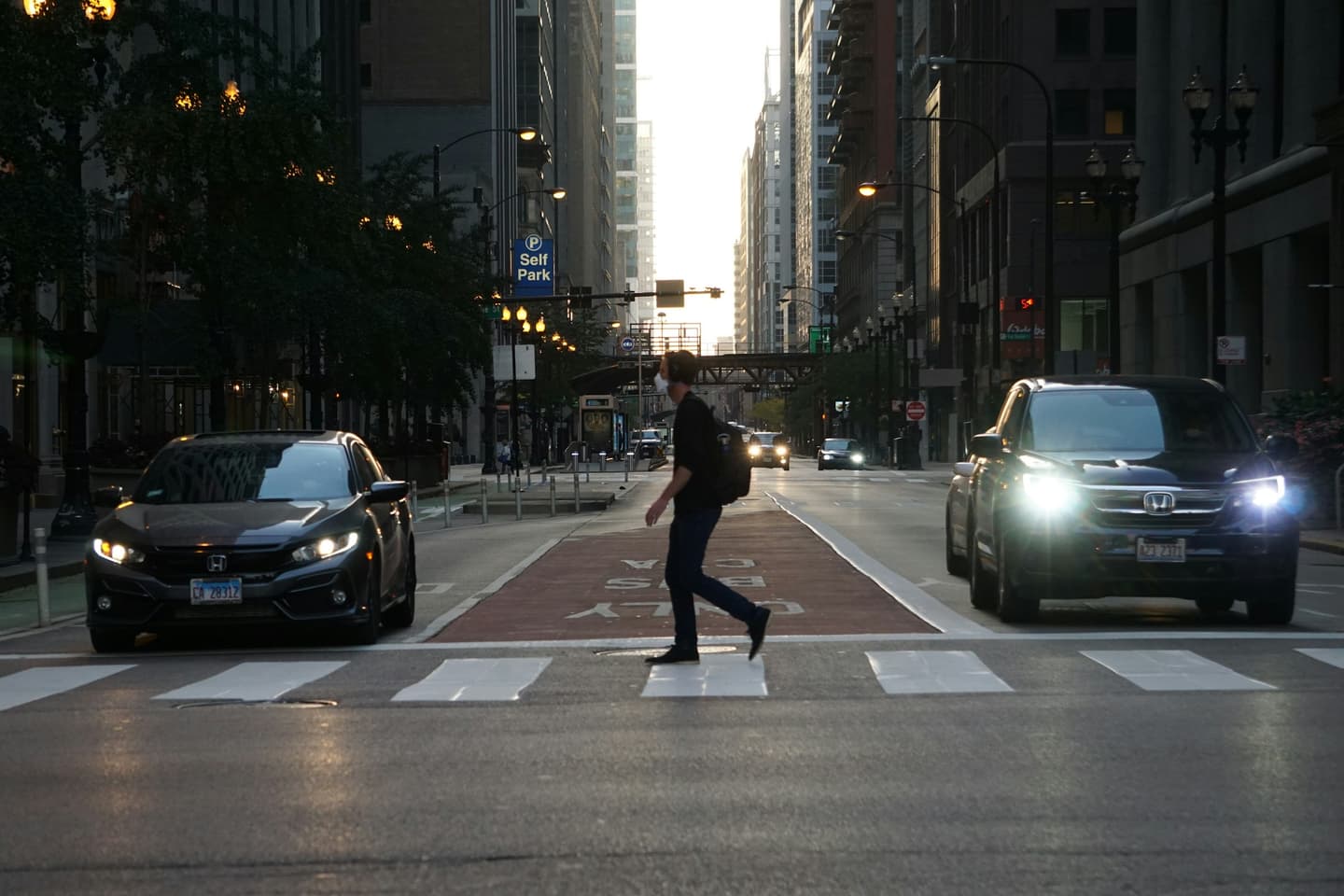
- Apply the brakes automatically up to 45 mph when a pedestrian is detected.
- Detect pedestrians in both daylight and darkness, including at night.
These figures are stated in the US rule in miles per hour and are not converted here; they apply to the US market. AEB systems generally use sensors to detect when a vehicle is close to crashing into a vehicle or pedestrian in front and automatically apply the brakes if the driver has not.
Which vehicles are covered
The final rule applies to nearly all US light vehicles with a gross vehicle weight rating of 10,000 pounds or less. Heavier vehicles are addressed in a separate rulemaking: in June 2023, NHTSA and the Federal Motor Carrier Safety Administration announced a notice of proposed rulemaking that would require heavy vehicles, including tractor trailers, to have AEB, which the agencies were in the process of finalizing as of the April 2024 announcement.
What NHTSA projected
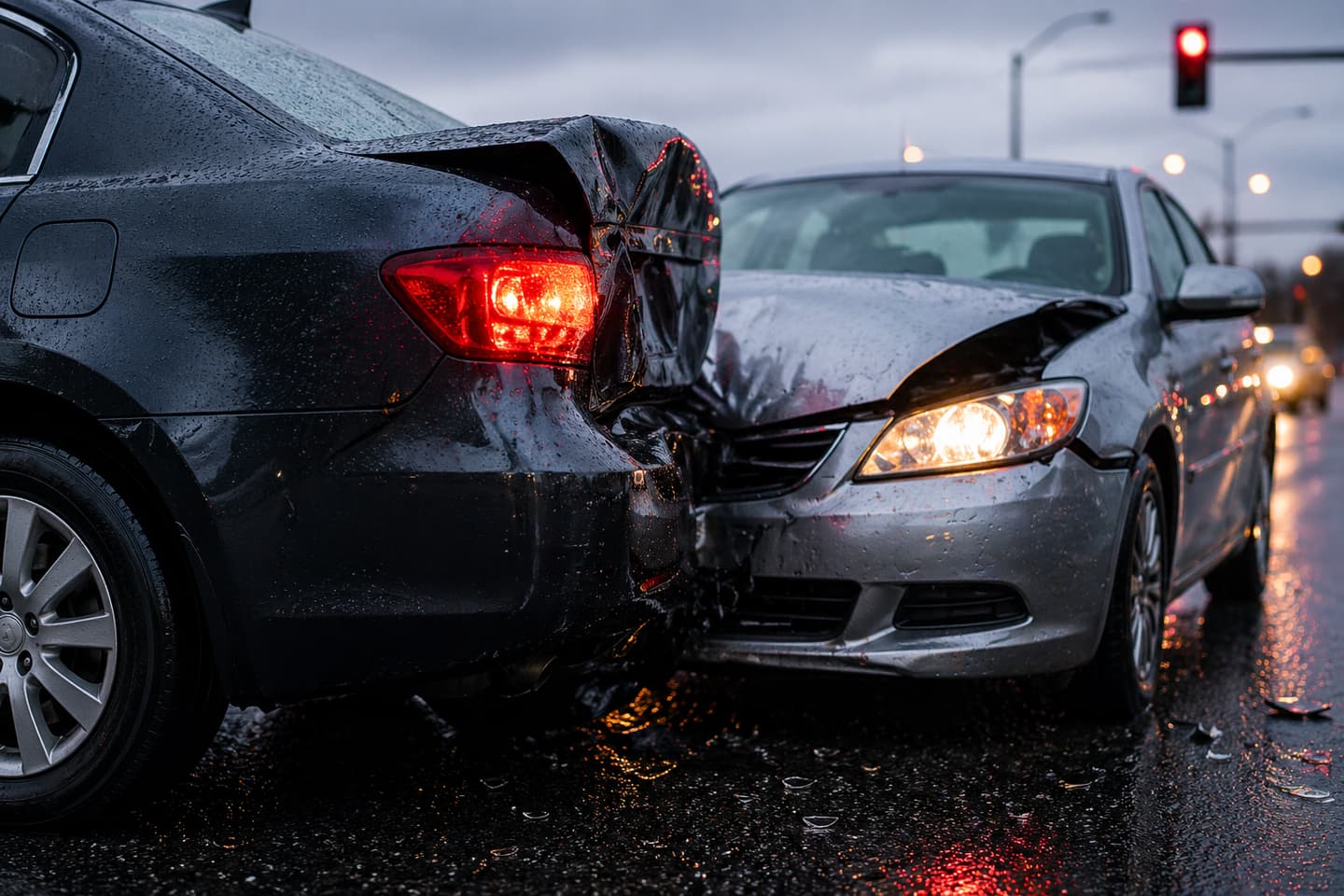
NHTSA projected that FMVSS No. 127 will save at least 360 lives a year and prevent at least 24,000 injuries annually, figures tied to reductions in rear-end and pedestrian crashes. The agency stated the standard is expected to significantly reduce those crash types. Transportation Secretary Pete Buttigieg, quoted at the time, said the standards would "save hundreds of lives and prevent tens of thousands of injuries every year." These are the issuing agency's projections, not measured outcomes.
Where the rule came from
The standard fulfills a provision in the Bipartisan Infrastructure Law to establish minimum performance standards requiring that all passenger vehicles be equipped with AEB. NHTSA also tied the rule to the Department's National Roadway Safety Strategy, launched in January 2022, which adopts a safe system approach spanning safer roads, safer people, safer vehicles, safer speeds and better post-crash care. Making the feature standard rather than a luxury is part of that strategy, according to the announcement. A Final Regulatory Impact Analysis presenting the benefits and costs of the standard is included in the Final Rule.
The primary document is the final rule itself: NHTSA published FMVSS No. 127 in the Federal Register, and the full text, including the Final Regulatory Impact Analysis, is available through NHTSA and regulations.gov by searching for "FMVSS 127". For a specific model year, a manufacturer's specification sheet or the vehicle's owner documentation can confirm whether AEB, including pedestrian AEB, is fitted; a window sticker for a US-market new vehicle lists standard safety equipment. Compliance dates, requirements and details can change through amendments or rulemaking, so confirm the current text rather than relying on any summary, including this one.