How it works · UK
What the UK MOT test checks — and what it doesn't
The Driver and Vehicle Standards Agency publishes an item-by-item guide to the annual MOT test for England, Scotland and Wales. It covers body and structure, brakes, tires, lights, seatbelts, steering and more — and it is explicit about what the test leaves out, including the condition of the engine, clutch and gearbox. What the DVSA's checklist covers, and how to look up a vehicle's test history.
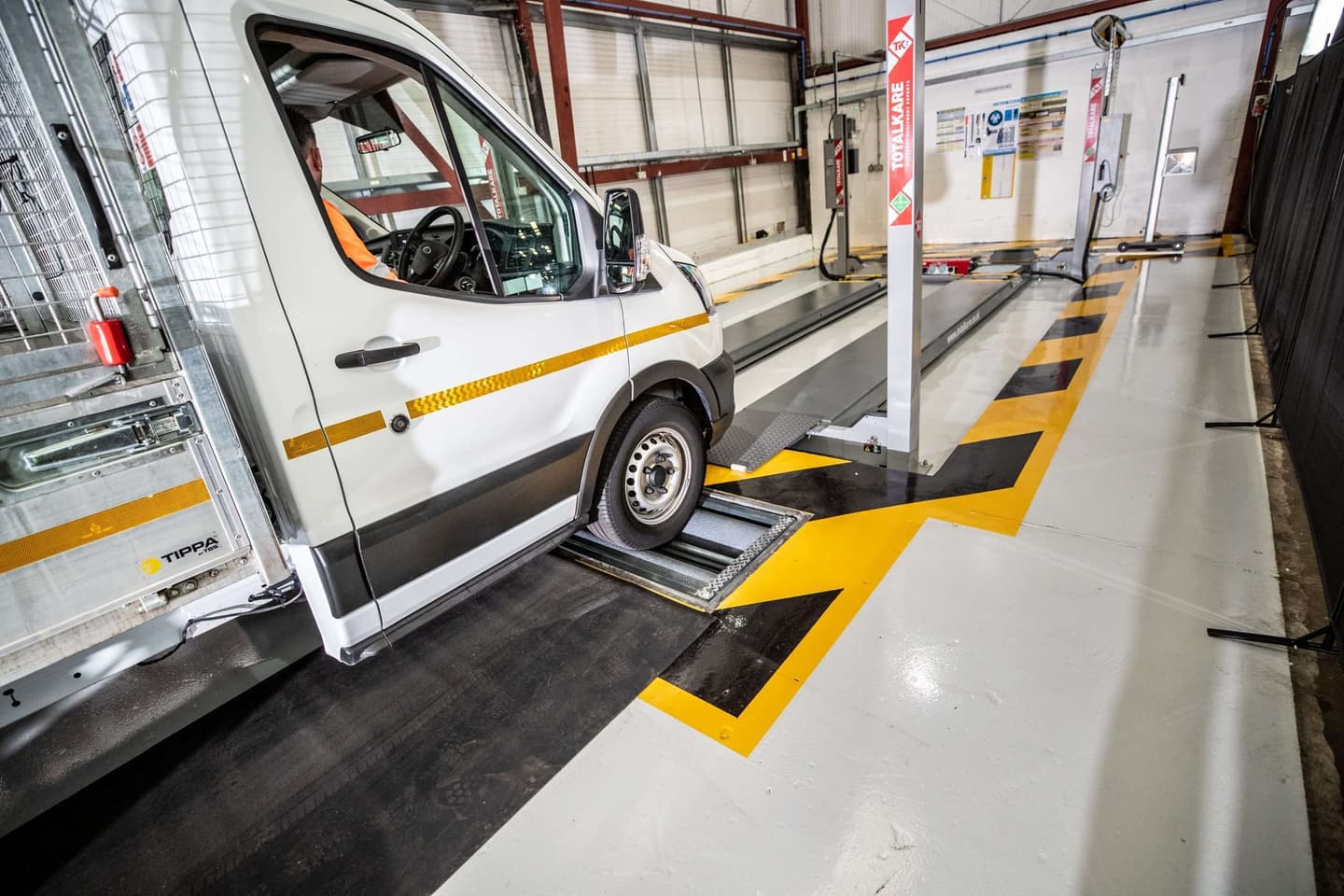
The Driver and Vehicle Standards Agency (DVSA) has published guidance titled "Car parts checked at an MOT", dated 21 May 2015, that states it applies to England, Scotland and Wales and lists the areas a tester inspects. The item list below is from that guidance as carried on GOV.UK when it was read on 30 September 2026.
The DVSA is equally clear about the test's limits: the MOT is not a mechanical health check. "The MOT tests some important items on your vehicle to check that they meet the legal standards. It isn’t the same as having your vehicle serviced and doesn’t check its general mechanical condition," the agency writes. In other words, a car can pass its MOT while carrying engine, clutch or gearbox faults that a service would reveal.
The exclusions, in the DVSA's own words
The guidance names the parts of the car that sit outside the test, and the gaps are worth knowing before buying or keeping a used car. As the DVSA's 21 May 2015 guidance states, as carried on GOV.UK when read on 30 September 2026:
- The condition of the engine, clutch and gearbox: the DVSA states the test "doesn’t cover the condition of the: engine clutch gearbox".
- Spare wheels and tires: "Spare wheels and tyres are not inspected," the checklist says — a spare can be defective without it surfacing at the MOT.
What is inspected: the item-by-item list
The bulk of the guidance is a walk through the tested areas, each with its own criteria. The body and vehicle structure are checked so that they're "free from excessive corrosion or damage in specific areas" and there are "no sharp edges likely to cause injury". Towbars (tow hitches in US usage) are inspected for secureness, condition and inappropriate repairs or modification; the tester also checks, per the guidance, that the 13 pin electrical socket works correctly, the speedometer is in good working order and the engine mountings are secure. The fuel system is examined for leaks, secure pipes and hoses and a fuel cap that "fastens and seals securely".
Safety systems get their own sections. Seatbelts must be in place, suitable for the vehicle, in good condition, working and securely attached; the dashboard warning lights for air bags, seatbelt pretensioners and seatbelt load limiters are checked. Seats must be secure, with the driver's seat adjustable and seat backs fixable upright. Doors need secure latches — front doors must open from inside and outside, rear doors from outside — with secure hinges and catches. Brakes are checked for their condition, including inappropriate repairs or modifications, and their operation and performance (the efficiency test), plus the anti-lock braking system and electronic stability control where fitted, and their related warning lights.
Tires (tyres in UK documents) and wheels are inspected for condition, security, tyre size and type and tread depth — though not the spare, as noted above. One detail is age-dependent: "Vehicles first used on or after 1 January 2012 will be checked to make sure the tyre pressure monitoring system (TPMS) MIL is working." Lights are checked for condition and operation, including high intensity discharge (HID) and light emitting diode (LED) lamps, headlamp aim and the main beam warning light.
Visibility and driver controls are also on the list. Mirrors are checked for the minimum number, condition and security, and indirect vision devices are also inspected. The windshield (windscreen in UK documents) is examined for condition and the driver's view of the road; wipers and washers must work so the driver has a clear view; the hood (bonnet in UK documents) must close securely; the horn must work and be suitable for the vehicle; and the load security check confirms the boot (the British term for the trunk) or tailgate closes properly.
Exhaust and emissions form two linked sections. The exhaust system must be secure and complete, with no missing catalyst where one was fitted as standard, no serious leaks and not too much noise. Emissions themselves are inspected, depending on the vehicle's age and fuel type, against the rules for exhaust emissions. For diesel cars, the DVSA notes the tester may refuse the test if they think the smoke test could damage the engine, and advises keeping the vehicle maintained, replacing the camshaft drive belt at recommended intervals and arriving with a fully warmed-up engine, which "will produce less smoke and is safer to test".
Two identity and electrical checks close the list. The VIN will be on vehicles first used on or after 1 August 1980, and the car is inspected to check that a single VIN is displayed (with an exception for multistage build vehicles such as van conversions). Visible electrical wiring and the battery are checked, and registration plates are inspected for condition, secure attachment, colour and correctly formed and spaced characters.
Reading a vehicle's MOT record
GOV.UK also runs a service for checking a vehicle's MOT history, which shows "if it passed or failed, the mileage recorded when it was tested" and when the next MOT is due. It may also flag safety recalls, depending on the manufacturer. For tests done in England, Scotland and Wales, you can additionally download current and previous MOT certificates, see where each test was done and see which parts failed or carried minor problems. The availability limits below are what the GOV.UK MOT history page stated when it was read on 30 September 2026, and they can change.
- For cars, motorcycles and vans, results go back only to tests done since 2005.
- For HGVs, trailers, buses and coaches, results go back only to tests done since 2018.
- For tests in Northern Ireland, results are available only since 2017, and MOT certificates cannot be downloaded through this service.
The DVSA points readers who want finer detail to the MOT inspection manual, which it says covers "everything that’s tested, how the MOT tester will check it, the reasons things can be failed". For a buyer or owner, combining that manual with the history service is the practical route: the checklist says what gets looked at, and the record shows what was found on a particular car.
How to check for yourself: enter a registration number on GOV.UK's "Check the MOT history of a vehicle" page for a specific car's past results and next due date, and read the DVSA's "Car parts checked at an MOT" publication on GOV.UK for the inspection list the agency publishes — both pages are cited throughout this article.