How it works · US
Sorted by EPA combined MPG(e): fueleconomy.gov's all-years Top Ten, from the 146 MPG(e) Lucid Air Pure down to 134 — US market
A comparison sorted by one criterion: the EPA combined city/highway rating as published on fueleconomy.gov's all-years Top Ten list for the US market. Every figure below is the agency's own published number, with the model year, trim and wheel size attached. This piece holds no driving impression, no measurement of ours and no reliability verdict.
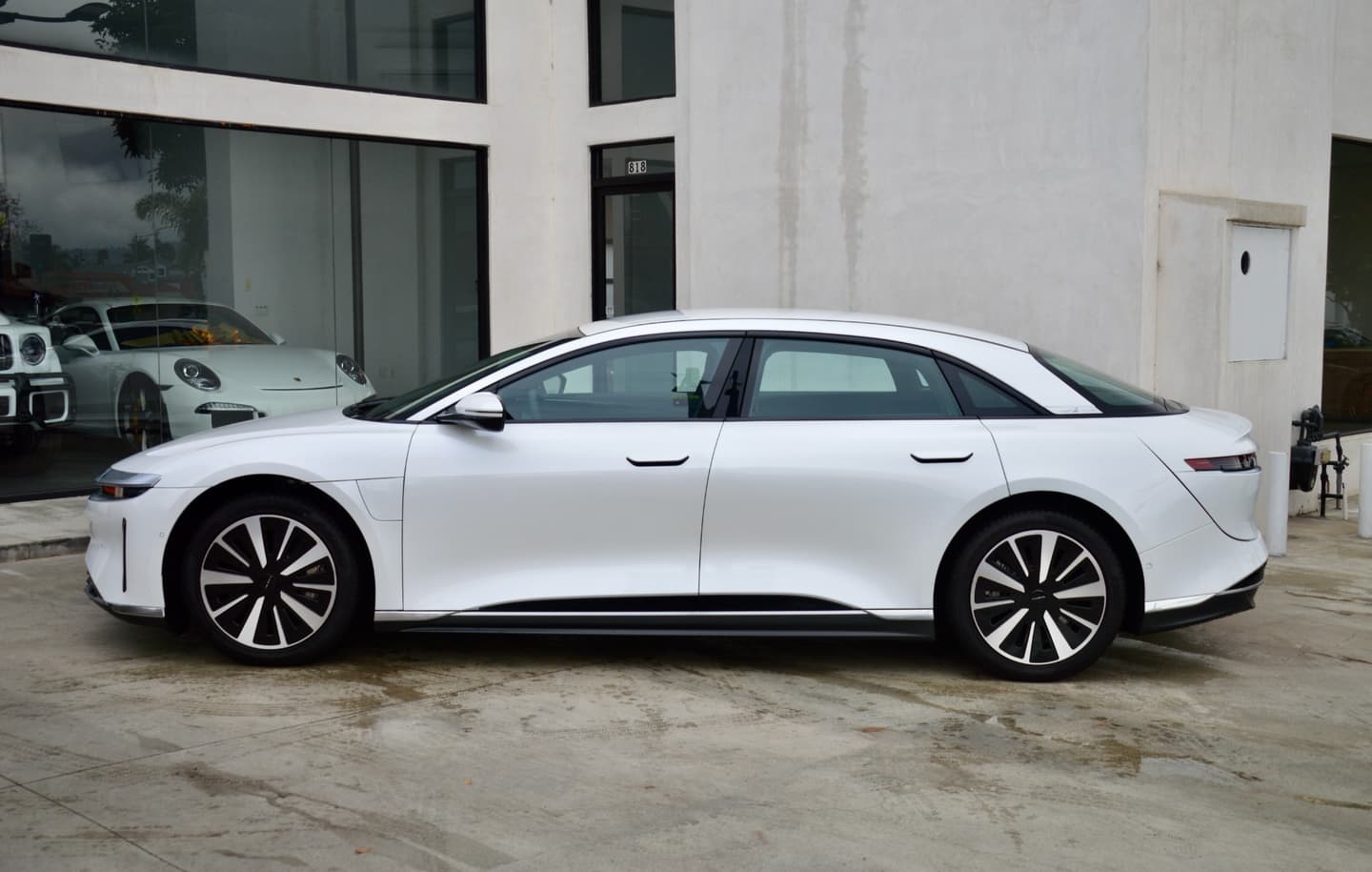
Fueleconomy.gov — the site administered by Oak Ridge National Laboratory for the U.S. Department of Energy and the U.S. Environmental Protection Agency — publishes a Top Ten page that can rank vehicles across all model years. The ranking below is sorted by the criterion named in the headline: the EPA combined city/highway rating, expressed in MPG(e) for electric vehicles. All figures apply to the US market and to EPA testing; the page was read on 26 September 2026, and rankings of this kind change as new ratings are published.
Two ground rules from the page itself matter for reading the list. First, vehicles are ranked by their EPA combined city/highway rating, and multiple vehicles may share the same ranking. Second, only the most efficient configuration of a particular model is presented for a given rank, with "similar models" listed where they would otherwise have made the list. So a position on the list is a statement about one specific configuration — model year, trim and wheel size — not about a nameplate in general.
The published list, rank by rank
Here is the all-years Top Ten as published, with each entry's EPA combined figure and its city/highway split. The list is dominated by battery-electric vehicles ranked under EPA's MPG(e) convention.
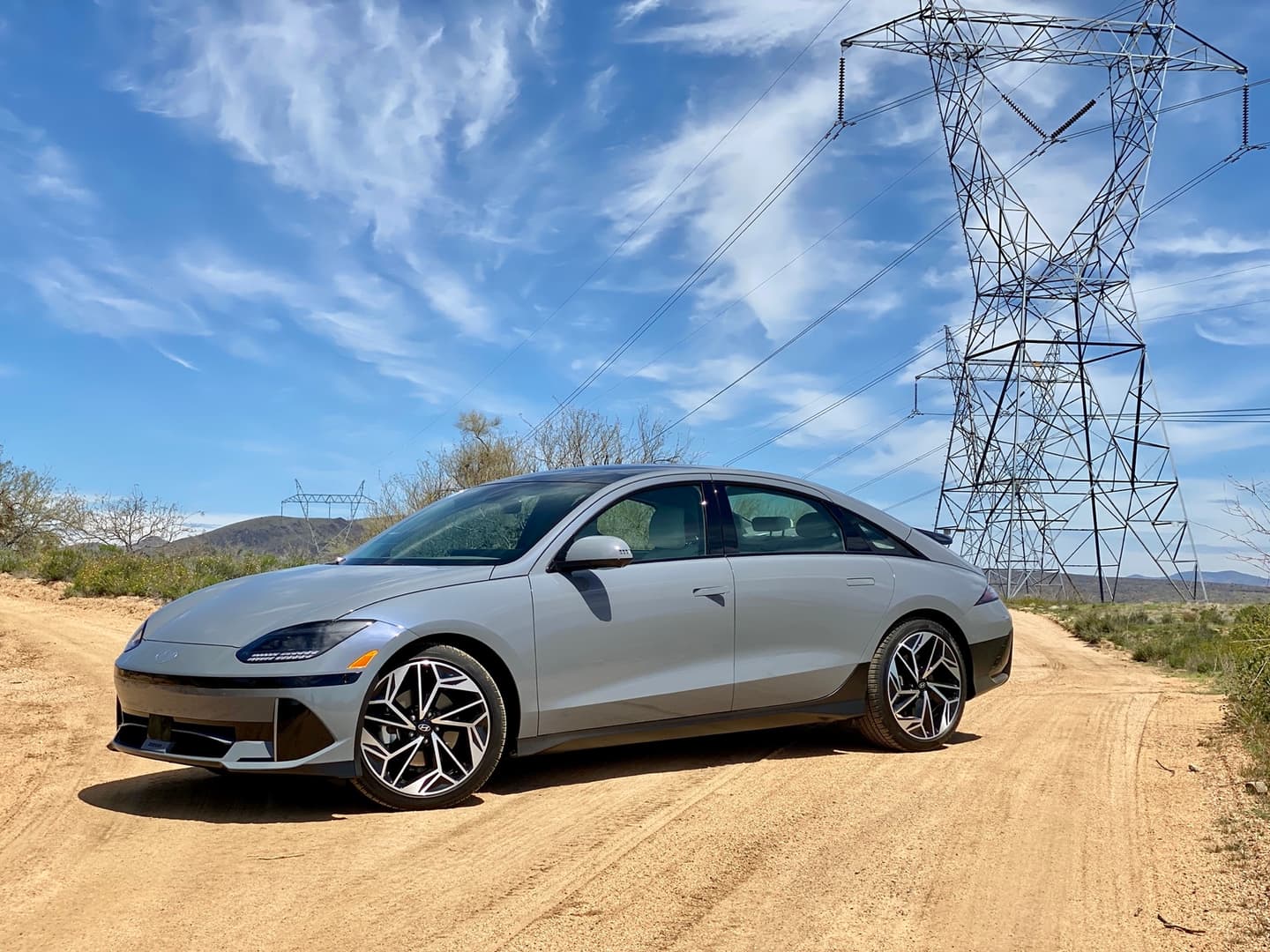
- Rank 1: 2027, 2026 and 2025 Lucid Air Pure RWD with 19-inch wheels, EV, 146 MPG(e) (149 city/142 highway)
- Rank 2: 2021 Tesla Model 3 Standard Range Plus RWD, EV, 142 MPG(e) (150/133)
- Rank 3: 2020 Tesla Model 3 Standard Range Plus, EV, 141 MPG(e) (148/132)
- Rank 4: 2024 and 2023 Hyundai Ioniq 6 Long Range RWD (18-inch wheels), EV, 140 MPG(e) (153/127); 2023 Lucid Air Pure AWD and Lucid Air Touring AWD with 19-inch wheels, EV, 140 MPG(e) (141/140)
- Rank 5: 2026 Tesla Model 3 Standard RWD, EV, 139 MPG(e) (147/130)
- Rank 6: 2026 Tesla Model Y Standard RWD (18-inch wheels), EV, 138 MPG(e) (148/129)
- Rank 7: 2024 Lucid Air Pure RWD with 19-inch wheels, EV, 137 MPG(e) (140/134); 2026 Tesla Model 3 Premium RWD, EV, 137 MPG(e) (145/128); 2025 and 2024 Tesla Model 3 Long Range RWD, EV, 137 MPG(e) (145/128)
- Rank 8: 2019, 2018 and 2017 Hyundai Ioniq Electric, EV, 136 MPG(e) (150/122)
- Rank 9: 2025 Hyundai Ioniq 6 Standard Range, EV, 135 MPG(e) (151/120); 2024 and 2023 Hyundai Ioniq 6 Standard Range RWD, EV, 135 MPG(e) (151/120)
- Rank 10: 2027 and 2026 Lucid Air Touring AWD with 19-inch wheels, EV, 134 MPG(e) (136/132); 2021 Tesla Model 3 Long Range AWD, EV, 134 MPG(e) (141/127); 2026 Tesla Model Y Long Range RWD, EV, 134 MPG(e) (144/123)
The published order spans 12 MPG(e), from 146 at the top to 134 at rank 10. Lucid's Air Pure RWD holds the top position across the 2025–2027 model years at an identical 146 MPG(e), and the Air Touring AWD closes the list at 134. Tesla entries appear at ranks 2 through 7 and again at rank 10, with model years ranging from 2020 to 2026; Hyundai's Ioniq Electric (2017–2019) and Ioniq 6 (2023–2025) fill ranks 8 and 9. Because tied ranks are allowed, rank 1 alone covers three model years of the same configuration, and rank 10 covers four distinct vehicles.
How to read the city and highway splits
Each entry also carries the EPA city and highway components, and they do not move in lockstep. The 2024/2023 Hyundai Ioniq 6 Long Range RWD posts the highest city figure on the list at 153, against a 127 highway figure, while the 2023 Lucid Air Pure AWD and Air Touring AWD sit at 141/140 — nearly even. These are EPA-tested numbers on the EPA test cycle, and they describe laboratory ratings, not anyone's measured results on the road.
- The ranking applies to the US market and to EPA ratings; it is not a figure from WLTP or any other test cycle, and no conversion between cycles is made here.
- The figures are the ratings as published on fueleconomy.gov on 26 September 2026; EPA ratings are updated as model years and configurations are certified, so the list's contents can change.
- The list presents one most-efficient configuration per model per rank, so a lower-efficiency variant of a listed nameplate does not appear.
This comparison sorts published official figures by one criterion named in the headline and names no winner beyond the list's own published order. To check any entry yourself, open the Top Ten page on fueleconomy.gov, switch the selector to "All Years, All Vehicles", and confirm the model year, trim, wheel size and MPG(e) figure for the configuration you care about — or use the site's Find a Car database, whose model-year selector as shown on 26 September 2026 reaches back to 1994, to verify a specific vehicle's EPA combined rating.