How it works
Seven connectors, five million public chargers: how the IEA documents EV charging on paper
The International Energy Agency's Breakthrough Agenda Report 2025 lists seven major connector types for electric cars, and the Global EV Outlook 2025 puts the global public charging stock at more than 5 million points after 1.3 million were added in 2024. A files-style read of what the two documents say, market by market, and how to check the numbers yourself.
On video FPL EVolution® – Public Charging Stations: Charging Your EVFlorida Power and Light · opens the player
The recording belongs to Florida Power and Light and plays from YouTube; opening it lets YouTube see the request. Watch on YouTube.
Two International Energy Agency (IEA) documents, read on paper rather than on the road, give the clearest published picture of how electric-car charging is organized: which plugs exist, and how many public points are out there. The Breakthrough Agenda Report 2025, in its road transport chapter, enumerates the connector types. The Global EV Outlook 2025, in its charging chapter, carries the 2024 charging-stock figures. Both are global documents; the figures they give are regional and must stay that way.
The seven connector types, as the IEA lists them
The IEA's Breakthrough Agenda Report 2025 states that there are seven major connector types for electric cars. J1772 and IEC Type 2 are typically used for slow charging, while the other five are used for fast charging: NACS, CCS, CCS (2), CHAdeMO and GB/T. The same passage notes that for charging above 350 kW, two connector types are common: the Megawatt Charging System (MCS) and ChaoJi. The list is a snapshot of a moving field: the IEA adds that with new models and charging technologies continuing to emerge, international cooperation is essential to harmonize charging standards so cars remain usable across different geographic regions.
The reason the list matters is incompatibility. The IEA frames the problem plainly: not all EVs can charge at all public or semi-public stations, because of incompatible connector types, which vary regionally and by car model, and because of proprietary networks. It also flags two related practicalities for drivers: transparent and simple payment systems, so drivers know the price in advance, and data sharing to make chargers easily findable.
The 2024 public-charging stock, region by region
The Global EV Outlook 2025 charging chapter records that public chargers have doubled since 2022 to reach more than 5 million. In 2024, more than 1.3 million public charging points were added to the global stock, an increase of more than 30% over the previous year; the IEA notes that the points added in 2024 alone were approximately equal to the total number available in 2020. These are global and regional figures as published; they are not a single market's count.
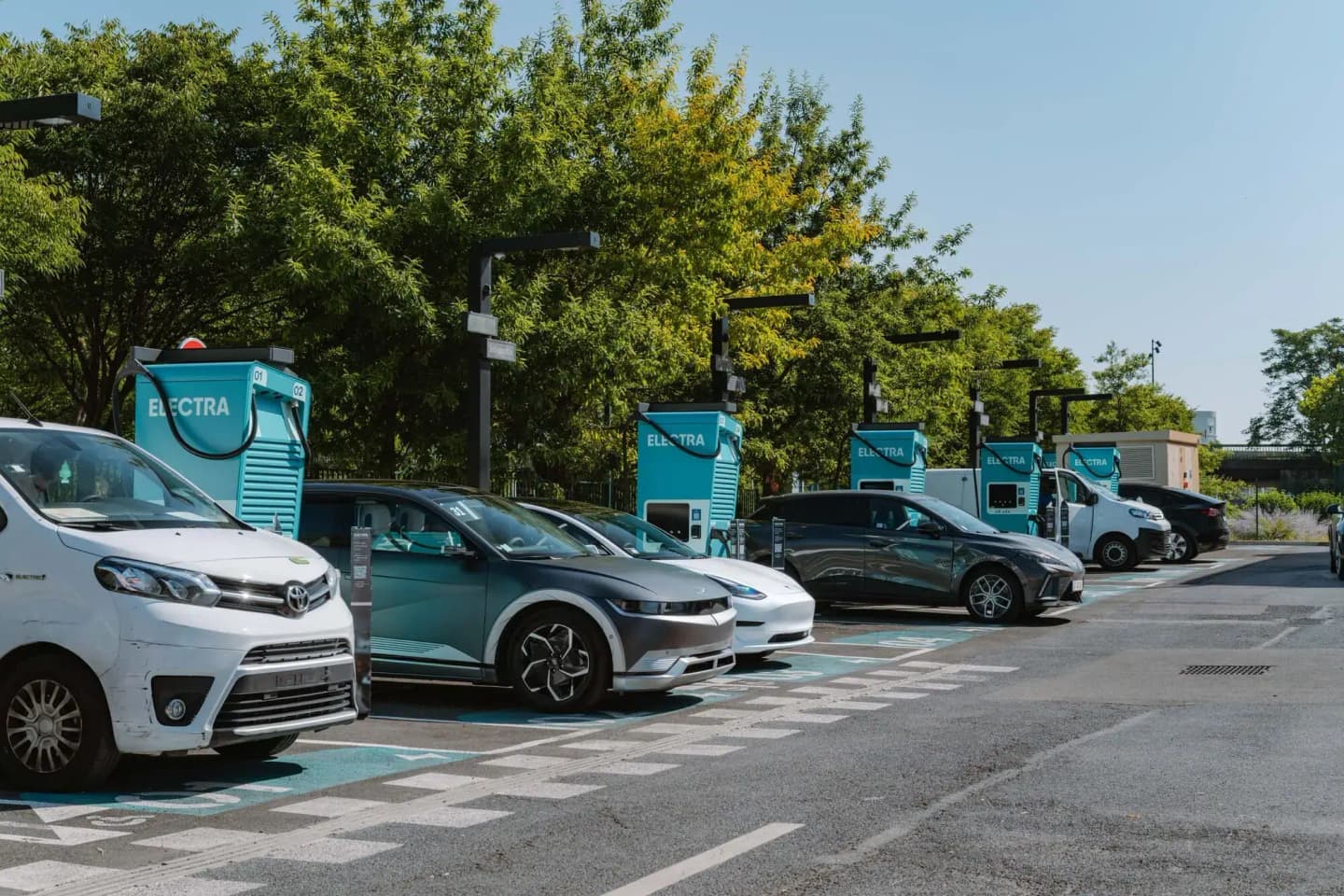
The growth is concentrated. The IEA attributes about two-thirds of the growth in public chargers since 2020 to China, which now holds about 65% of the charging and 60% of the electric light-duty vehicle stock globally. In Europe, the number of public charging points grew more than 35% in 2024 compared with 2023, to reach just over 1 million, with significant variation across countries. For context on the vehicle side, the Breakthrough Agenda Report 2025 records that electric car sales surpassed 17 million in 2024, accounting for 22% of total car sales, with sales highest in China.
Chargers per car: the ratio the IEA tracks
Beyond raw counts, the IEA compares the number of public charging points against the electric light-duty vehicles they serve. Its 2025 figures, by market:
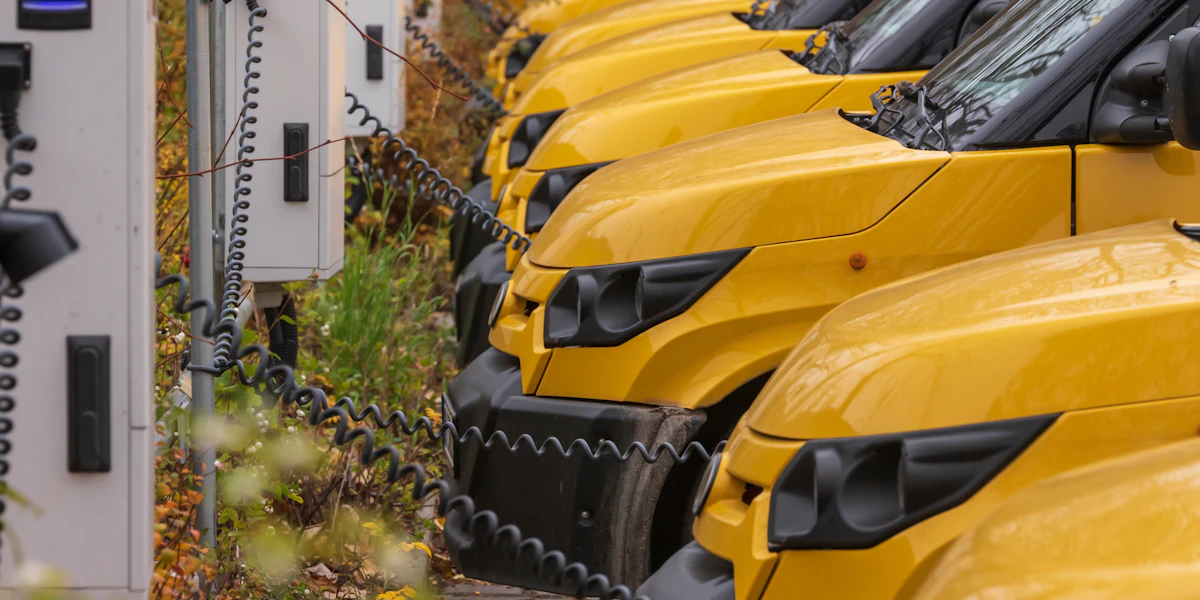
- China: more than 1 public charger for every 10 electric cars.
- European Union: on average 1 charger for every 13 electric cars, a decrease of more than 10% compared with 2023.
- Worldwide, in the Stated Policies Scenario: about 11 electric light-duty vehicles per public charging point in 2024, projected to rise to around 14 in 2030.
The IEA cautions that this ratio is not the whole story: demand for public charging points differs based on driver location and behaviour. As the report describes the pattern, in China's densely populated cities many drivers rely on public charging points, whereas in Europe access to home chargers is far higher; the types of housing typically available can also play an important role in shaping the need for public charging access. The installed charging capacity matters too: public fast chargers, with their higher charging capacity, are able to serve more EVs per day than slow chargers, and in the STEPS the public fast-charging capacity increases more than tenfold by 2030.
What the scenario projections say, and what they are
The 2030 numbers above come from the IEA's Stated Policies Scenario, a projection based on policies and market trends, not a forecast of what will certainly be built. The regional detail, as published: Europe's stock of public charging points doubles by 2030 in the STEPS to reach more than 2 million, with fast chargers reaching a 30% share, and Europe adding 210,000 public charging points per year on average to get there; China's stock of public charging points grows more than threefold by 2030 in the STEPS, reaching over 12 million, after about 850,000 were added in 2024; and the United States would need to build out an average of 58,000 public charging points per year to reach the more than 0.5 million projected in the STEPS in 2030. These figures carry the report's date and market labels, and the IEA itself notes that charging-point counts are just one metric of coverage.
How to check this yourself
Both documents are freely readable on the IEA's website: the road transport chapter of the Breakthrough Agenda Report 2025 for the connector list, and the electric-vehicle-charging chapter of the Global EV Outlook 2025 for the stock figures and ratios. The IEA also offers an interactive Global EV Data Explorer for regional charging-point projections. When citing any figure, name the report, the chapter and the year, and keep each number tied to the market it describes; figures are as published in the 2025 editions and will be revised in later ones.