How it works · UK
UK car, van and engine production in 2023: the numbers as SMMT's Motor Industry Facts 2024 published them
A standing reference entry on UK automotive manufacturing in 2023, drawn from the Society of Motor Manufacturers and Traders' Motor Industry Facts 2024, dated 2 Jul 2024. It sets out the UK-market production, turnover, employment and export figures the industry body carries, and how readers can check them.
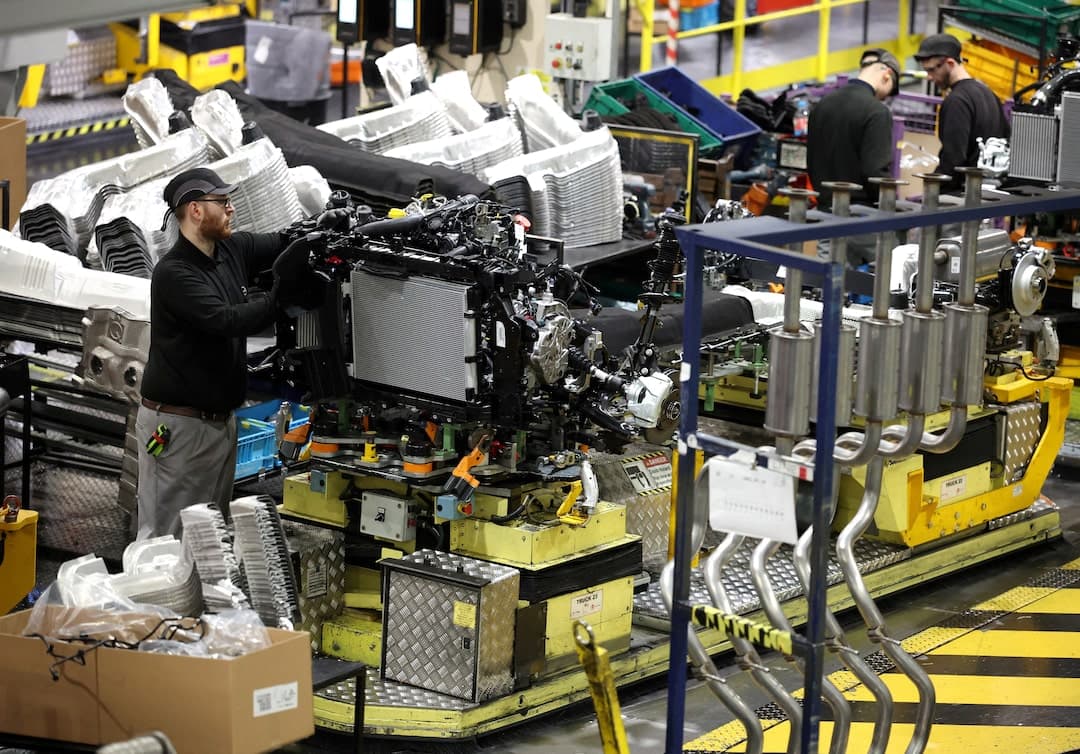
On video Rolls-Royce Assembly line: Mass Production of British SuperCars | Cars FactoryFactory Wheels · opens the player
The recording belongs to Factory Wheels and plays from YouTube; opening it lets YouTube see the request. Watch on YouTube.
The Society of Motor Manufacturers and Traders (SMMT), the UK motor industry's trade body, publishes its Motor Industry Facts series, a compendium of headline figures on vehicle manufacturing, employment, trade and the wider automotive economy in the United Kingdom. The 2024 edition, carrying the date 2 Jul 2024, covers calendar-year 2023 data for the UK market. This entry gathers what the publication states, with the issuing body and date named, so the numbers stay tied to their source and their market.
The headline production number for 2023 is 905,117 cars built in the UK. Alongside them, the same publication records 120,357 commercial vehicles — vans, trucks and related light and heavy vehicles — and 1.6 million engines. SMMT frames these as UK output for the year 2023, and that is the market and period to which all of the figures in this entry belong.
What the UK industry builds
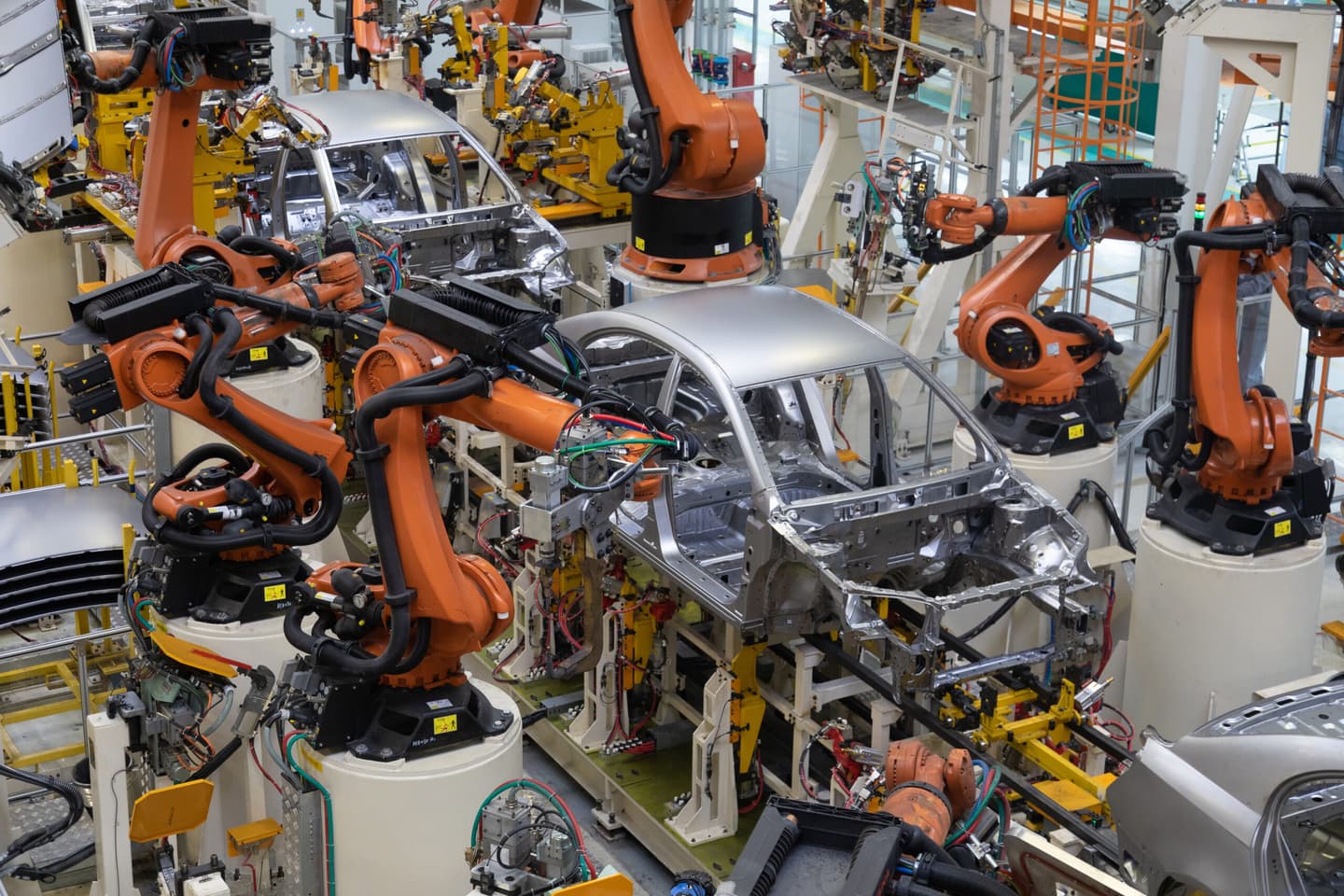
The 2024 edition describes a manufacturing base that reaches beyond passenger cars. It states that the UK manufactures almost every type of vehicle, from cars, to vans, taxis, trucks, buses and coaches, as well as specialist and off-highway vehicles. It also counts more than 2,500 component providers supporting that production, and notes aftermarket and remanufacturing industries alongside the assembly lines.
Exports: where the cars go
SMMT states that eight out of 10 cars produced in the UK are exported overseas to more than 140 markets worldwide. By that ratio, most UK-built cars in 2023 were destined for customers outside the United Kingdom. SMMT's page for the 2024 edition names the export ratio and market count but not a per-market breakdown of destinations.

The economic footprint
The publication places automotive-related manufacturing at £93 billion turnover and £22 billion value added to the UK economy. It states the sector typically invests around £4 billion each year in R&D. On trade, it says the industry accounts for 12% of total UK export goods, generating £47 billion of trade. Each of these figures is a UK-market number for the period the 2024 edition covers; they are not figures from any other market, and they should not be carried over to or compared with other countries' data.
Employment, direct and wider
On jobs, the edition counts more than 198,000 people employed in manufacturing and some 813,000 in total across the wider automotive industry. The wider figure, per the publication, extends to jobs the industry supports in other key sectors — it names advertising, chemicals, finance, logistics and steel. The distinction matters when quoting employment numbers: 198,000 is the manufacturing figure, 813,000 the broader one, and the two should never be mixed.
How to read these numbers
These figures come from SMMT, the industry's own trade association, so they are the industry's account of itself — useful as the sector's published reference, and worth keeping in mind as such. A few habits help when using them:
- Quote the body and the date: these are SMMT figures for the UK market, published in the Motor Industry Facts 2024 edition dated 2 Jul 2024.
- Name the market: every number here is a UK figure; it does not transfer to another market and should not be converted or compared against one without that other market's own published data.
- Name the period: production counts cover calendar-year 2023; the R&D figure is described as a typical annual amount, not a single year's audited result.
- Mind the rounding: some counts are exact (905,117 cars; 120,357 commercial vehicles), while others are rounded or approximate (1.6 million engines; around £4 billion R&D; some 813,000 jobs).
- Check for revisions: SMMT publishes updated editions and vehicle data each year, so a later edition may restate or supersede 2023 figures.
To verify any of this, consult the Motor Industry Facts 2024 edition on SMMT's own website, and SMMT's vehicle data pages for manufacturing and registration data published since. Later editions of the series and SMMT's published data tables are the place to check whether any 2023 figure has been revised — and any number used elsewhere should be traceable back to the body, the edition and the date it carries.