How it works · US
When the EPA makes carmakers relabel: a history of fuel economy window sticker corrections in the US, from Hyundai to Nissan
The US EPA keeps an official record of the times it required manufacturers to lower MPG values on fuel economy labels: Hyundai and Kia (model years 2012-2013), Ford's hybrids (2013-2014), BMW's Mini Cooper (2014), Mercedes C300 4-matic, the 2013-2017 Audi, Bentley, Porsche and Volkswagen gasoline vehicles, and several Nissan models from 2017 through 2025. Here is how the corrections happened, and how the agency says it catches inflated sticker values.
On video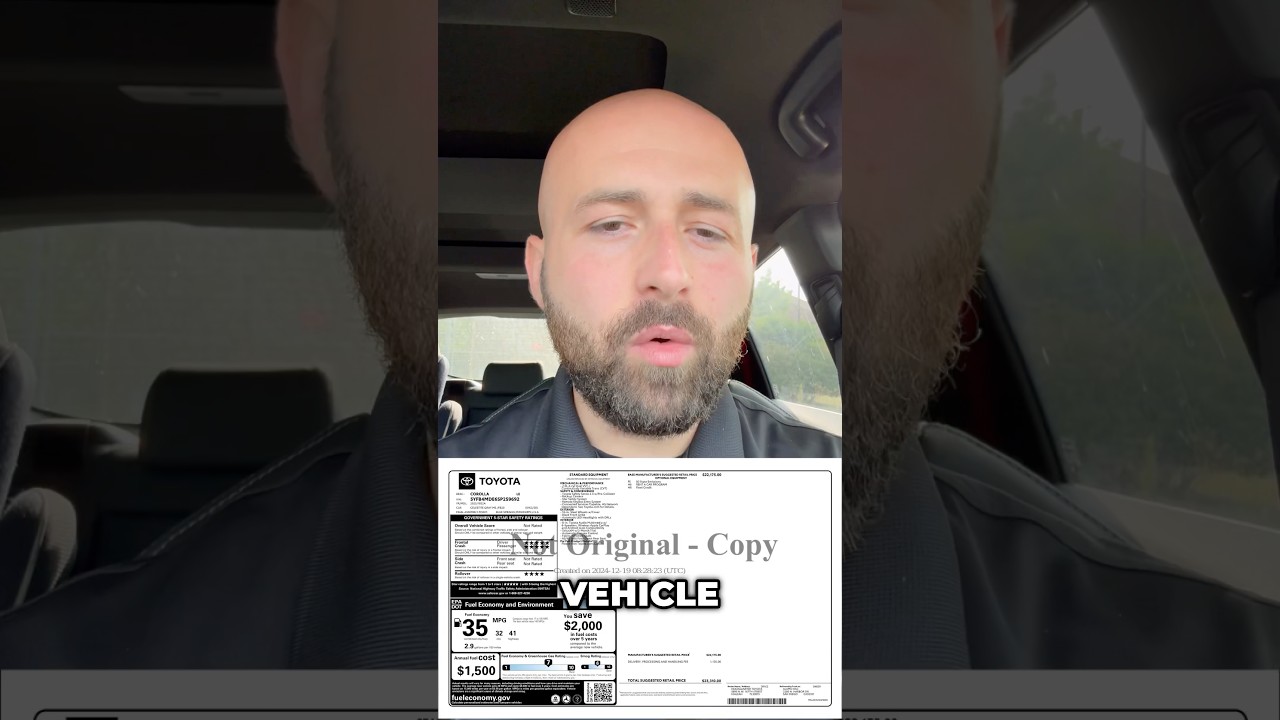 How to Read a Vehicle Window Sticker ProperlyLorenzo Burke · opens the player
The recording belongs to Lorenzo Burke and plays from YouTube; opening it lets YouTube see the request. Watch on YouTube.
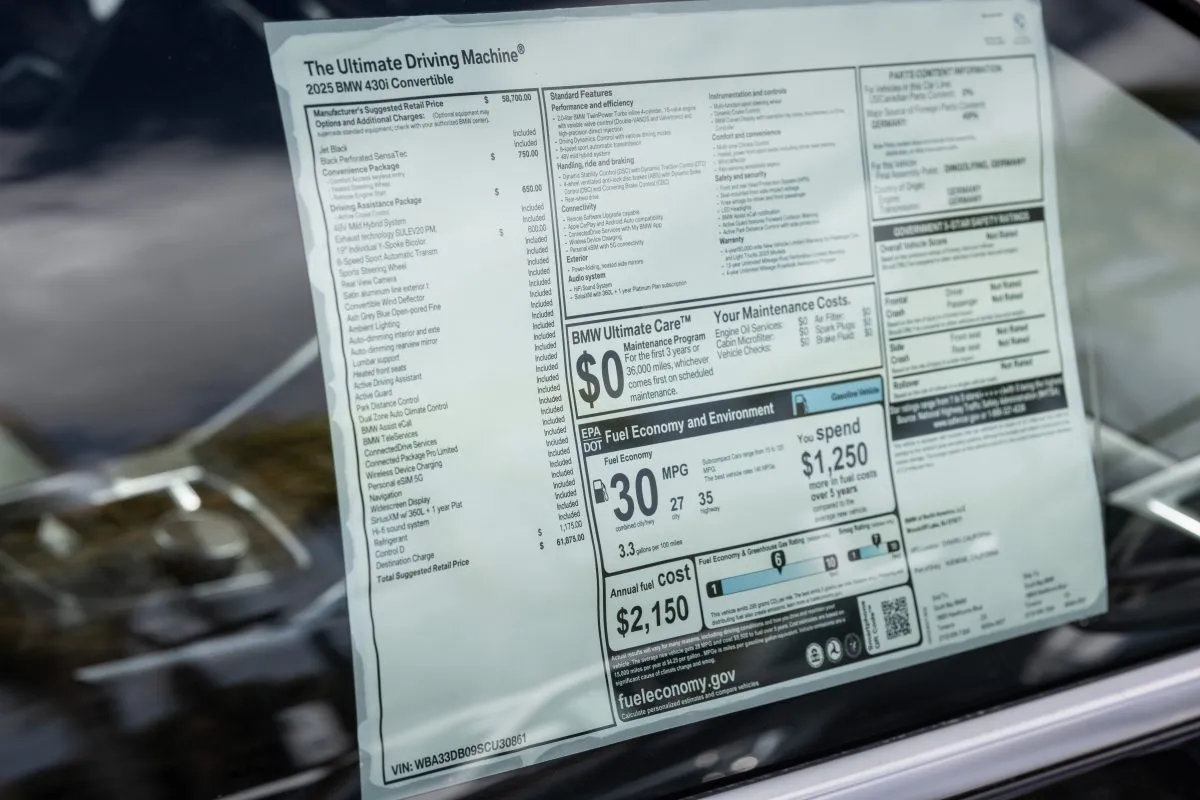
The fuel economy label on a new car's window is not just decoration: the US Environmental Protection Agency describes it as providing "consumers with reliable and repeatable estimates of real-world fuel economy for national-average drivers and conditions allowing consumers to compare fuel economy across different car models." Because buyers use those MPG figures to compare models, the agency requires manufacturers to revise the values if information becomes available showing they are too high.
The agency keeps a running list of these corrections on its Fuel Economy Label Updates page, and it reads less like a hall of shame than a record of how the oversight system works. The cases span Korean, Japanese, US and German brands, model years 2012 through 2025, and several different failure modes: an investigation of test data, road-load audits, a defeat-device investigation that turned up transmission software, and a manufacturer's own admissions of errors.
How EPA checks sticker numbers
EPA does not rerun the whole fleet every year. According to the agency's own description of its oversight, three lines of work feed the program:
- Independent testing on about 15% of vehicle models each year, done on pre-production vehicles provided by manufacturers
- Testing of in-use cars and trucks, to confirm the labels are accurate for post-production vehicles
- Assessing information provided by consumer groups, the auto industry, and fueleconomy.gov to identify models for further testing
If the testing reveals inaccurate labels, the agency says it will require manufacturers "to update the MPG values to provide consumers with the most accurate information available."
The defeat-device case that hit gasoline cars
One table on the page covers 2013-2017 models from Audi, Bentley, Porsche and Volkswagen. While investigating defeat devices in Volkswagen's diesel vehicles, the EPA and the California Air Resources Board found that the company used software to manage transmissions in gasoline vehicles. Per the agency, the software "causes the transmission to shift gears during the EPA-prescribed emissions test in a manner that sometimes optimizes fuel economy and greenhouse gas (GHG) emissions during the test, but not under normal driving conditions," which inflated the fuel economy values for some vehicles. Corrected values ranged from a single-mpg drop to larger ones; for the 2013-2014 Touareg 3.6L VR6 FSI automatic, the agency's table shows the combined value unchanged at 19 mpg, with the city figure moving from 17 to 16 mpg and the highway figure staying at 23, and the agency said it anticipated updates to fueleconomy.gov by September 6, 2019.
Road-load audits: Mini and Mercedes
Two cases turned on physical audits of production cars. During road-load audits of 2014 Mini vehicles, EPA found the Cooper 3-door had road-loads - aerodynamic drag, tire rolling resistance and driveline friction - that exceeded its audit criteria compared with the values BMW reported at certification. Both BMW and EPA reran emissions and fuel economy testing using the audited road-loads: the cars stayed within emissions standards, but the label values dropped, with combined figures such as 34 down to 33 or 29 down to 28 mpg in the agency's table. The Mercedes case began the same way - test results for the C300 4-matic differed from those submitted at certification - and ended with EPA and Mercedes retesting at EPA's National Vehicle and Fuel Emissions Laboratory in Ann Arbor, resulting in relabeling of the 2013 and 2014 C300 4-matic with lower values.
Ford's hybrids, and Hyundai and Kia's retests
The Ford correction started inside the company: Ford alerted EPA that it had underestimated real-world inputs such as aerodynamics and tire friction in its testing. EPA oversaw an extensive re-testing program and ran independent testing at Ann Arbor, and Ford relabeled six models. In the agency's table, the 2013 and 2014 Fusion Hybrid fell from a combined 47 mpg to 42, and the C-Max Hybrid from 43 to 40, with city and highway values also lower. Earlier, Hyundai had "lowered their fuel economy estimates for the majority of their model year 2012 and 2013 vehicle models as the result of an EPA investigation of test data" - typically a 1-to-4 mpg reduction per model in the published tables - and Kia made matching corrections for the same model years, with a few larger individual drops such as the 2013 Soul Eco's highway figure, down 5 mpg.
Nissan, model years 2017 through 2025
The most recent case on the page when it was read for this article is Nissan's. Following testing that identified a discrepancy in certain Nissan fuel economy label values, the company is voluntarily revising labels for several vehicles from model years 2017 through 2025, which EPA describes as being done to ensure consumers receive accurate fuel economy values. The page lists the specific changes model by model in a table with old and new label values.
How to check a label yourself
The revised values are meant to reach buyers, not just regulators: for the Volkswagen Group case, EPA said it was working with the Department of Energy to update fueleconomy.gov with the corrected values, and that site remains the place to compare a car's official combined, city and highway numbers. To verify a specific vehicle, look up the model year and trim on fueleconomy.gov, and compare the figures against the window sticker of the car you are considering - particularly for the model years named in the corrections above. For the full per-model tables of old and new values, the EPA's Fuel Economy Label Updates page lists them by brand.