How it works · EU
The EU battery passport: a QR-linked digital record for EV batteries, due 18 February 2027
From 18 February 2027, according to the European Commission's pages, a digital battery passport becomes mandatory in the EU for relevant battery categories, including electric vehicle, light-means-of-transport and industrial batteries, placed on the EU market. Here is what the passport is, what information it carries, who holds the obligation, and how the indicative timeline is set out - with the caveat that the Commission marks it as indicative and subject to publication requirements.

On video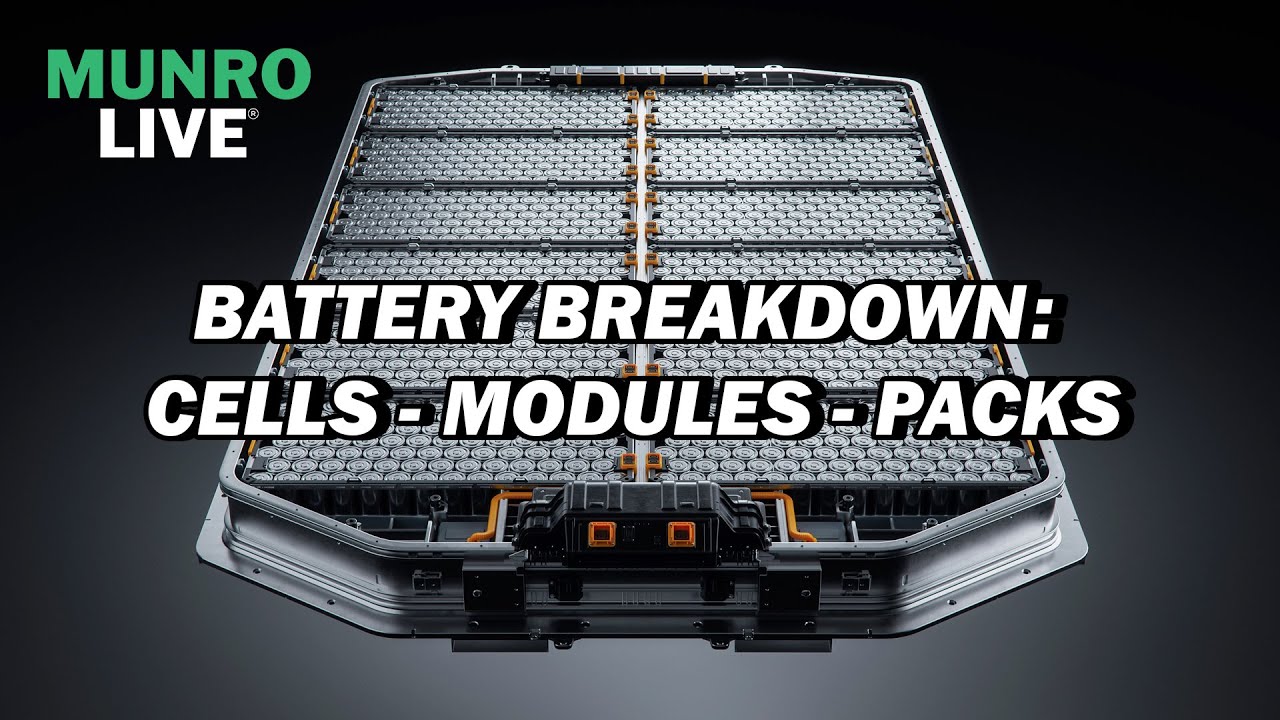 Electric Vehicle Battery Breakdown: Cells to Modules to Packs!Munro Live · opens the player
The recording belongs to Munro Live and plays from YouTube; opening it lets YouTube see the request. Watch on YouTube.
Batteries placed on the European Union market from 18 February 2027 are to carry a digital record of their identity, performance and history: the battery passport. That record is a form of Digital Product Passport (DPP) that the European Commission says will first apply to certain types of batteries before extending to other product groups such as textiles and iron and steel.
The Commission's explanation states that certain types of batteries are the first product group for which a DPP becomes mandatory in the EU, and that the passport is introduced under the EU Batteries Regulation, relying on a common technical system established under the Ecodesign for Sustainable Products Regulation. The stated aim is to improve transparency and sustainability across the battery lifecycle.
What the passport actually contains
The passport is anchored to the physical battery through a QR code. Scanning it leads to information defined under the Batteries Regulation, though the exact set depends on the battery category and applicable requirements.
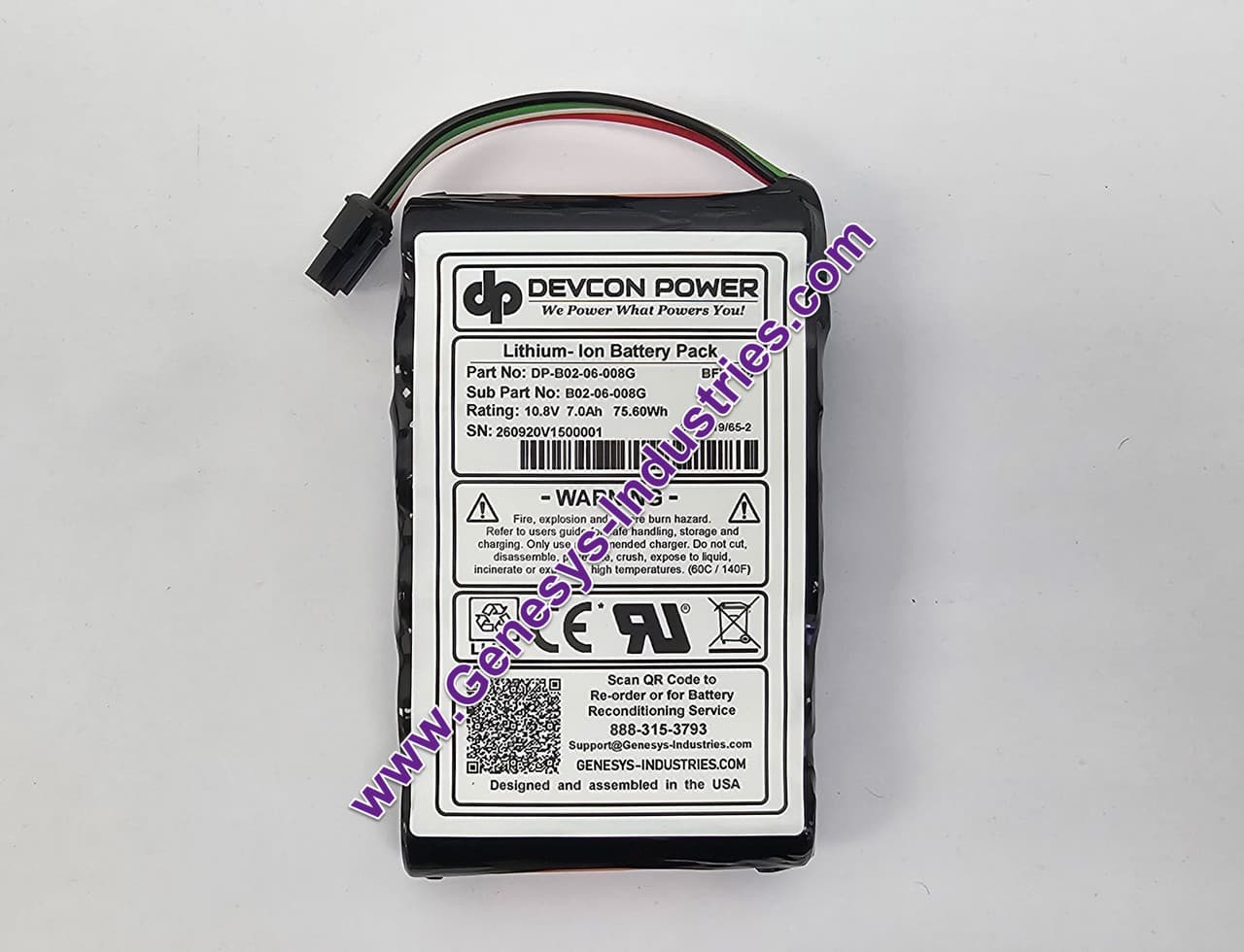
According to the Commission's page, the information may include:
- Battery identification and technical characteristics
- Manufacturer and economic operator information
- Performance and durability data
- Information supporting repair, reuse and recycling
- Sustainability and circularity-related information
A notable design point: the passport operates as a decentralized system. Detailed battery information is maintained by the responsible economic operator, while the EU-level DPP Registry stores unique identifiers and registration metadata.
Who the obligation falls on
The passport requirement applies to economic operators placing certain types of batteries on the EU market: electric vehicle batteries, batteries for e-bikes, e-mopeds and e-scooters, home storage batteries and industrial batteries. The duty sits with the operator placing the finished battery on the market, not with suppliers of individual components or modules.

The Commission's general DPP page frames the same scope in slightly different terms, naming electric vehicle, light means of transport and industrial batteries among the categories for which the DPP becomes mandatory on 18 February 2027.
The timeline - and why it is worded as indicative
The Commission's batteries page sets out these milestones:
- July 2026: adoption of the Implementing Act for the DPP Registry, and an Implementing Decision on six of the eight harmonised standards developed by CEN-CENELEC JTC24, as the Commission page states
- 20 July 2026: the DPP Registry becomes operational
- 18 February 2027: the battery passport becomes mandatory for relevant battery categories placed on the EU market
The Commission marks these dates as indicative and subject to publication requirements, so they should be read as the stated plan for the EU market rather than a guarantee of how implementation will unfold in every detail.
How the wider DPP system works around the passport
The battery passport is part of a broader structure set up under the Ecodesign for Sustainable Products Regulation (ESPR), (EU) 2024/1781. On the general page, the Commission describes the operating sequence: economic operators gather the required product information, the DPP is created and registered in the Registry while the full information is stored by the operator or a DPP service provider, and a digital data carrier such as a QR code links the physical product to its DPP. On the same page, the Commission describes the Registry generating a Unique Registration Identifier and access rights managed in accordance with applicable EU legislation.
Different users see different things. The Commission describes consumers accessing key product information to support purchasing decisions, repairers and recyclers retrieving information relevant to their activities, and public authorities verifying compliance and supporting market surveillance.
Dated milestones published so far
Two dated news items appear on the Commission's general DPP page. On 20 July 2026, the Commission launched the DPP Registry together with a testing environment. Then on 21 August 2026, it published an updated version of its guidance document to help stakeholders prepare for the implementation of the Digital Batteries Passport under Regulation (EU) 2023/1542 concerning batteries and waste batteries.
The Commission's dedicated batteries page also lists a 'data point by category' document, last updated on 15 August 2026, which clarified the applicability date for points 19 and 20 to 23, with the Commission's own reminder to check whether a more recent version is available.
What this means for car buyers and owners
For anyone following the car industry, the 18 February 2027 date is the one to watch: from that point, under the stated indicative plan, relevant battery categories placed on the EU market are to carry and register a passport. The practical effect described by the Commission is better access to information for economic operators, consumers, repairers, recyclers and public authorities, supporting a more circular and sustainable battery value chain - a change aimed at the battery's whole lifecycle, not just the purchase moment.
To check the current state of the rules yourself, the European Commission's Digital Product Passport pages (single-market-economy.ec.europa.eu) carry the battery-specific requirements, the indicative timeline and the linked guidance documents. Treat every date there as indicative and subject to publication requirements, and re-check the page and the data-point document for updates before relying on any specific detail.