How it works · EU · UK
ACEA's 2026 plants map: 260 automobile plants in the EU and UK, 127 of them building battery-electric vehicles
The European Automobile Manufacturers' Association updated its interactive map of European production plants on 28 June 2026. It counts 260 automobile assembly, engine and battery plants in the EU and UK, including 127 that assemble battery-electric vehicles, and names what the overview leaves out: automotive suppliers, many smaller-sized manufacturers, custom bodybuilders and transmission, body shell and other vehicle part plants.
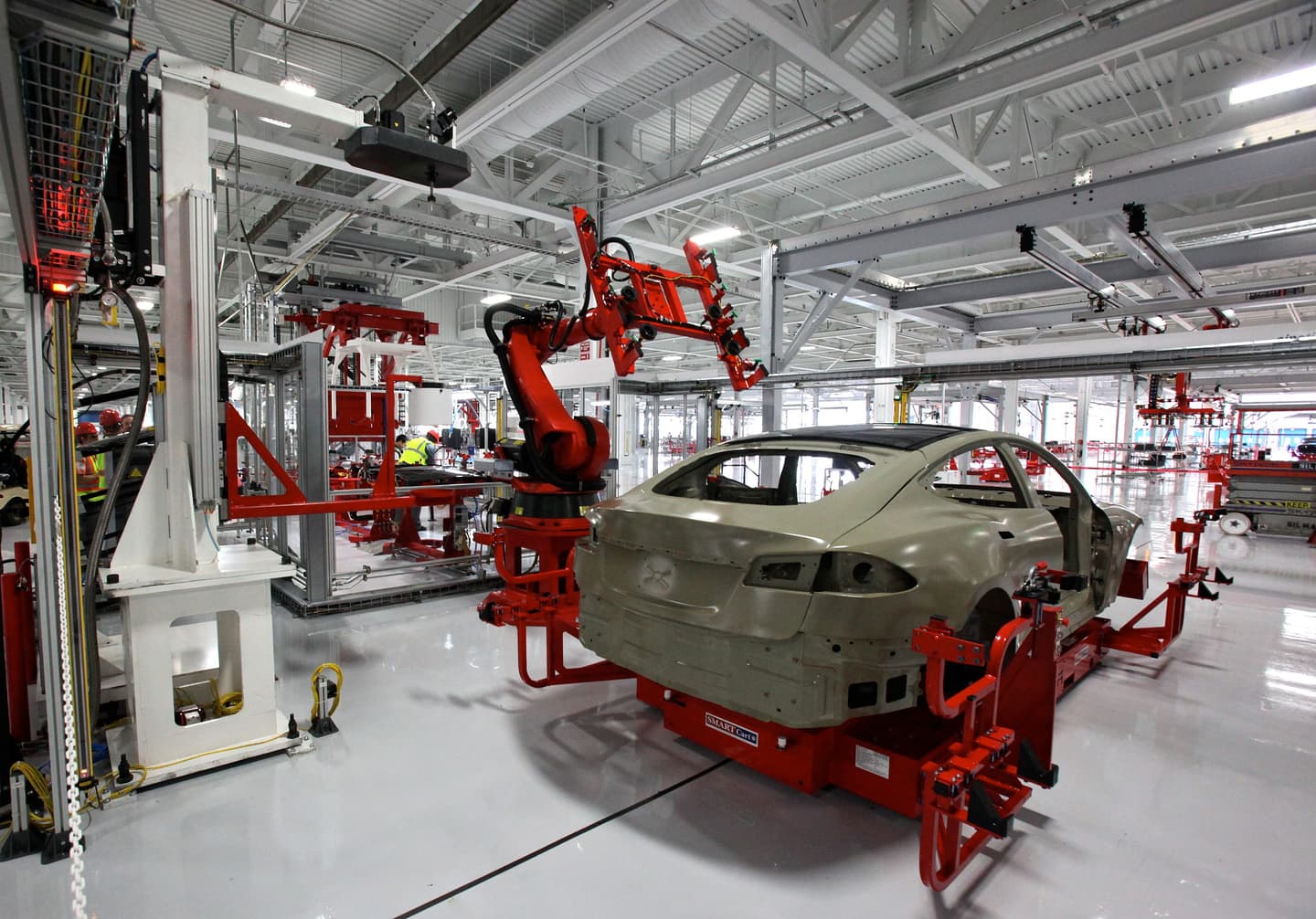
Where Europe builds its vehicles is one of the more persistent questions in industrial coverage, and the industry's own association keeps a running answer. The European Automobile Manufacturers' Association (ACEA), which describes itself as uniting Europe's 17 major car, truck, van and bus makers, publishes an interactive map of automobile assembly and production plants in Europe, and the version dated 28 June 2026 carries a full set of figures for 2026.
The headline count is 260 automobile plants operating in the EU and the UK in 2026. ACEA breaks that down by what each site builds, and the split covers four vehicle types plus two powertrain categories. Among the plants counted, 127 assemble battery-electric vehicles — by our own arithmetic from ACEA's two counts, just under half of the total footprint.
The 260 plants, broken down
ACEA's key figures for the 2026 map, as published on its figures page, read as follows:
- 100 plants produce cars
- 42 make buses
- 32 build trucks (heavy-duty vehicles)
- 29 make vans (light commercial vehicles)
- 61 build engines
- 76 make batteries
On the electric side, the map records 127 plants assembling battery-electric vehicles. Geographically, ACEA states that its members build cars, vans, trucks, buses and engines in 15 EU member states, and the map's scope definition adds the United Kingdom: for this figures page, "Europe" means the 27 EU member states plus the UK. Batteries are the largest single powertrain category in the count, at 76 plants, ahead of the 61 engine plants — a split that reflects how far electrification has moved into the production base ACEA counts, even as combustion engines continue to be built.
What the map does not cover
Any plant count is only as useful as its scope, and ACEA spells out its boundaries in the notes beneath the figures. The overview covers finished vehicles, engines and batteries, and leaves out several layers of the supply chain. In ACEA's own wording:

- Automotive suppliers are not included
- Many smaller-sized vehicle and engine manufacturers are not included
- Custom bodybuilders are not included
- Transmission, body shell and other vehicle part plants are omitted
Two practical consequences follow from that scope. First, the 260 figure is a floor, not a census of European vehicle manufacturing: smaller vehicle and engine manufacturers outside the overview's scope, or specialist custom bodybuilders, do not appear in it. Second, because ACEA says the map includes the engine production sites of most of its members rather than every one, the engine count should be read within that stated scope, not as an exhaustive industry-wide tally.
On accuracy, ACEA's disclaimer is explicit: "ACEA strives to be as accurate as possible, but does not accept any responsibility or liability for any potential errors or inaccuracies." So the figures come without a guarantee, and the association notes errors and gaps are possible in its own overview.
Reading the numbers in context
The 127 BEV-assembly plants sit alongside a registration landscape that ACEA's own statistics on the same site track. Its related publications list show new car registrations headlines putting battery-electric at 21.7% of the EU market in August 2026 year-to-date and 20.7% in the first half of 2026, and an Economic and Market Report for the first half of 2026 as well. The plants map is best read as a mid-2026 snapshot of capacity rather than a forward-looking projection: a battery plant counted in this overview says nothing about output levels or utilisation, and none of the figures on the page are production volumes — they are counts of sites by type.
The map is also a living document in a modest way: ACEA does welcome input to update the overview. Between editions, its figures can move as plants open, convert or close. An association-maintained baseline dated 28 June 2026 is a usable reference point — provided it is quoted with its date, since the counts will change in the next edition.
How to check it yourself
The primary source is freely readable: ACEA's figures page, titled "Interactive map – Automobile assembly and production plants in Europe", dated 28 June 2026, lists the key figures directly and defines the scope (27 EU member states plus the UK) and the exclusions in its own notes. Because the association updates the page, compare the date on the version you read with the figures quoted here; if the counts have changed, the change is ACEA's, not this publication's.