How it works · EU
Sorted by WLTP range: what Polestar's own global pages publish for the Polestar 2 and Polestar 3
A comparison of manufacturer-certified WLTP range figures for five powertrains across two Polestar models, sorted by one criterion: published range. All numbers come from Polestar's own global model pages, with the test cycle named. The piece holds no driving impression, no measurement of ours and no reliability verdict.
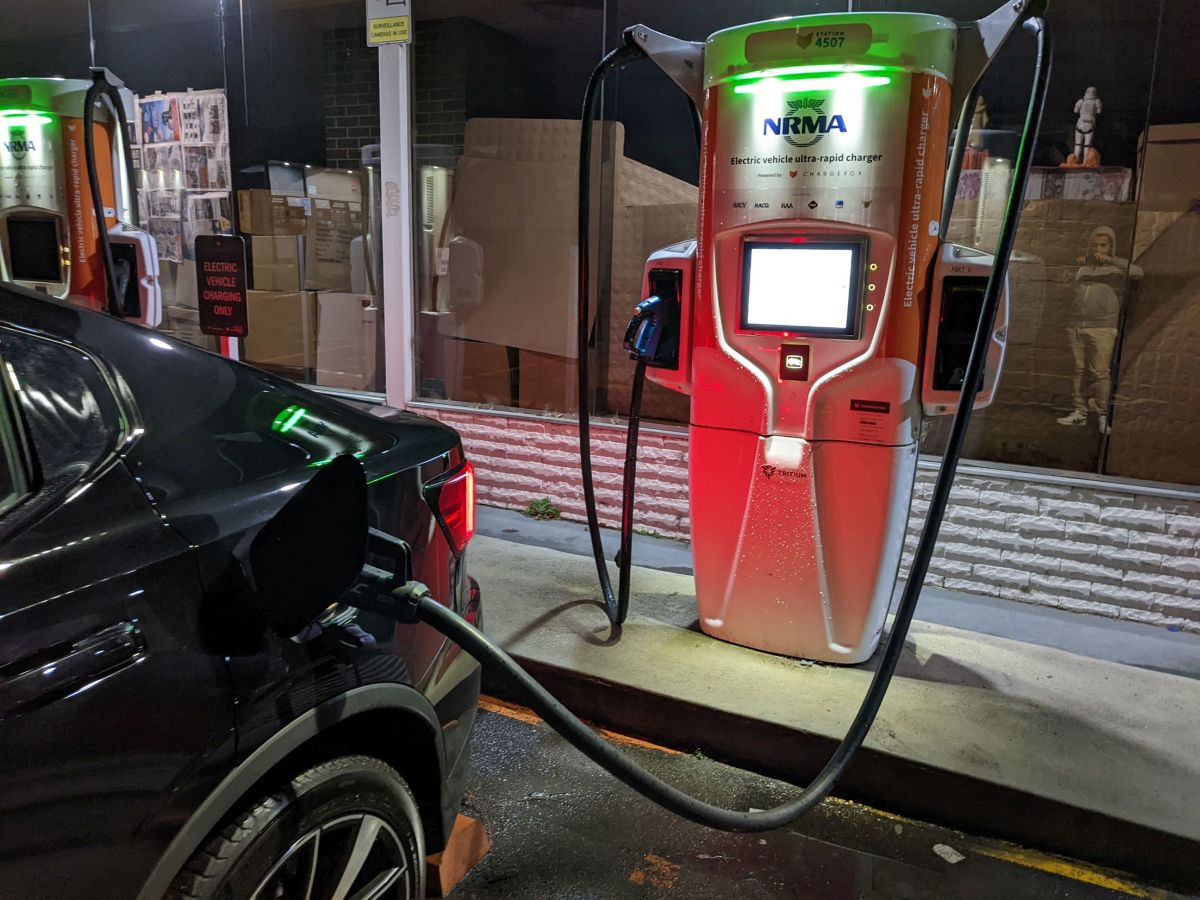
On video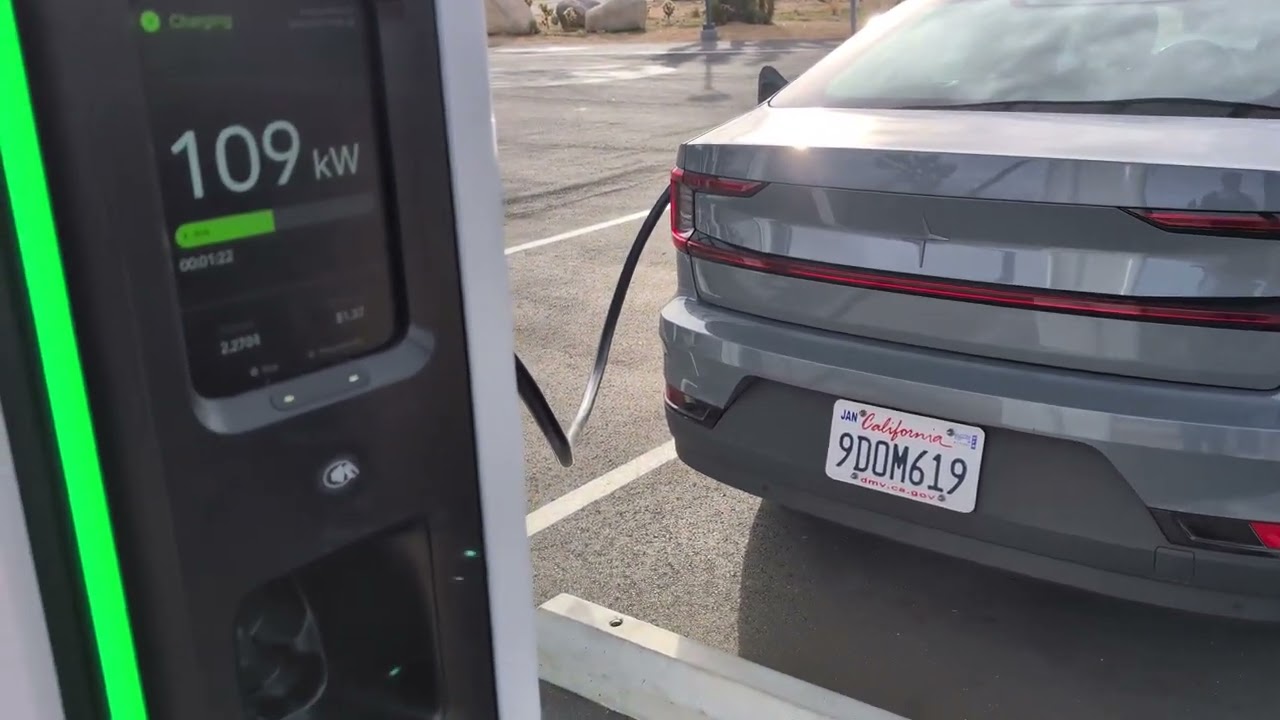 Charging a Polestar 2 at the Rivian station near Joshua TreeWheel Bearings · opens the player
The recording belongs to Wheel Bearings and plays from YouTube; opening it lets YouTube see the request. Watch on YouTube.
Range figures sell electric cars, but they are only comparable when everyone uses the same test cycle and says so. This piece sorts five powertrains across two Polestar models — the Polestar 2 and the Polestar 3 — by one criterion named in the headline: the manufacturer's certified range under the WLTP standard, as printed on Polestar's own global model pages. The pages were read on 16 September 2026; the figures themselves carry no separate publication date on the pages, so treat them as what the manufacturer published at that moment rather than as a permanent specification. Features and figures may vary by market, as Polestar itself notes on the pages.
What WLTP means here is set out in Polestar's own footnote: in Europe, all electric vehicles must undergo the Worldwide Harmonised Light Vehicle Test Procedure, which Polestar describes as measuring range at an average speed of 46.5 km/h in summer temperatures from a 100% to 0% state of charge. The company adds plainly that actual range under real conditions varies with driving behaviour and external factors. The ranking below is therefore a comparison of certified laboratory figures, not of what any driver will see. It names no winner, holds no driving impression, no measurement of ours and no reliability verdict.
The sorted list, from longest to shortest certified range
Each line gives the powertrain name and the WLTP range exactly as Polestar publishes it for the Polestar 2 and Polestar 3 on their global pages, captured 16 September 2026:
- Polestar 2 Long range Single motor: 659 km WLTP
- Polestar 3 Dual motor: up to 647 km WLTP
- Polestar 2 Long range Dual motor: 596 km WLTP
- Polestar 2 Long range Dual motor with Performance pack: 568 km WLTP
- Polestar 2 Standard range Single motor: 554 km WLTP
- All figures carry Polestar's note that they are "Range based on WLTP standard", and the Polestar 3 figure is given as a "up to 647 km" maximum based on the Dual motor
A sorting like this is deliberately one-dimensional. The same pages that publish range also publish performance figures that cut across it: the Polestar 2 powertrain with the second-shortest range here, the Long range Dual motor with Performance pack, is also the quickest, at 4.2 seconds from 0 to 100 km/h with 350 kW of power, while the longest-range Polestar 2, the Long range Single motor, takes 6.2 seconds with 220 kW. Which trade-off suits a buyer is a matter for them; this comparison simply places the published numbers side by side.
Charging, on each page's own terms
Charging figures do not sort cleanly across the two models, because each page states its own basis. For the Polestar 2, Polestar publishes 10-80% public charging in 26 minutes for the Standard range version and 28 minutes for the Long range versions, with the footnote that the figures are based on 205 kW rapid DC charging — 180 kW for the Standard range version — and 11 kW AC charging. For the Polestar 3, the page quotes 10-80% in 22 minutes using a 350 kW rapid DC charger, and adds that charging times are preliminary data subject to final certification. The two sets are therefore not directly comparable, and the Polestar 3 figure carries its own caveat.
What the pages say about consumption and real-world range
The Polestar 3 page also publishes an energy consumption figure for one variant: 20.5 to 23.1 kWh/100 km for the Performance version. Polestar's footnote on the same page repeats the caveat that actual range achieved under real conditions varies depending on driving behaviour and other external factors. The Polestar 2 page frames range preservation through equipment rather than consumption numbers, listing a heat pump that makes use of run-off thermal energy, a range assistant app and pre-entry climate control among its range-optimising tools.
How to check these figures yourself
- Open Polestar's global Polestar 2 performance page and the Polestar 3 page and read the range and footnote sections directly
- Confirm the test cycle in the footnotes: Polestar's own text states the range figures are based on the WLTP standard
- Note the capture date of the pages you read, since Polestar states that features shown on the pages may vary in availability per market
- Compare charging figures only between figures stated on the same charging-power basis, and treat the Polestar 3 charging times as preliminary data subject to final certification, as the page itself says