How it works · US
Why quiet hybrid and electric cars must make noise in the US: FMVSS No. 141 explained
A standing reference to the US rule that requires hybrid and electric vehicles to emit alert sounds at low speeds: where it came from, what it requires, which speed ranges it covers, and what changed in 2018 and 2022.
On video Top 15 Mini Electric Vehicles Taking Over City Streets in 2026Origin Techies · opens the player
The recording belongs to Origin Techies and plays from YouTube; opening it lets YouTube see the request. Watch on YouTube.
An electric car running at neighborhood speeds can be nearly silent, and for pedestrians who rely on hearing to detect traffic that silence is a hazard. In the US, the fix is Federal Motor Vehicle Safety Standard No. 141, Minimum Sound Requirements for Hybrid and Electric Vehicles. NHTSA created the standard in a final rule dated December 14, 2016, acting under the Pedestrian Safety Enhancement Act of 2010, to set minimum sound level requirements for low-speed operation of hybrid and electric light vehicles.
The agency's rationale rested on crash data: its statistical study, cited in the final rule, found that the pedestrian crash rate of hybrid vehicles was 1.18 times greater than that of comparable internal-combustion vehicles. The requirement is meant to give blind and other pedestrians, as well as bicyclists, a means of detecting these quiet vehicles and thereby reduce the risk of low-speed pedestrian crashes.
What the standard requires, and up to what speed
FMVSS No. 141 applies to electric and hybrid-electric passenger cars, MPVs, light trucks, and buses with a gross vehicle weight rating of 10,000 pounds or less, and to low speed vehicles, in the US market — but only when they can be driven in electric mode in the standard's test conditions. Covered vehicles must emit sound at minimum levels while stationary (though not while parked, with the transmission in "park"), while in reverse, and while moving forward up to 30 km/h. Above that crossover speed, NHTSA's position is that tires and airflow generate enough sound on their own; the 2022 rule document states that beyond 30 km/h, alert sounds are no longer required because other sounds such as tires and airflow make the vehicle detectable.
The standard defines five operating conditions in which a sound may vary with speed or direction: stationary or at constant forward speed below 10 km/h; reverse; and constant forward speeds from 10 up to 20 km/h, from 20 up to 30 km/h, and at or just above 30 km/h. A vehicle may use different sounds for these different conditions — for example, a distinct reverse tone — as long as each meets the minimum requirements for that condition.
The road to full compliance, in the US
Compliance arrived in phases. Vehicles produced on and after September 1, 2019, and before September 1, 2020, had to meet the standard at a rate of not less than 50 percent of a manufacturer's relevant production, and the 2018 reconsideration document pushed the full-compliance date back by one year: from model year 2021 onward — specifically, all covered vehicles produced on and after September 1, 2020 — every hybrid and electric vehicle subject to the standard must comply. NHTSA estimated that this one-year delay would save affected manufacturers $21 million (US market, per the agency's 2018 document; regulatory dates and estimates are fixed to those documents, not to the present day).
What changed in 2018 and 2022
After the 2016 final rule, NHTSA received petitions for reconsideration and responded in a Federal Register document dated February 26, 2018. Among the outcomes: the Sameness requirement was relaxed so that alert sounds may vary by trim level or model series, not just by make and model; the ban on altering the factory-installed alert sound was clarified so it does not block unrelated vehicle repairs or recalls when hardware such as a body control module is shared between the alert system and other vehicle systems; and Nissan's request to lower the 30 km/h crossover speed was denied as not warranted by the available information. On one request — allowing multiple, driver-selectable alert sounds — NHTSA chose in 2018 to seek comment before deciding.
The driver-selectable-sounds question was settled in a final rule issued July 13, 2022. NHTSA adopted only the amendment to the S6.7.3 test procedure — specifying the single point in time used when determining one-third octave band levels of ambient noise in compliance tests — and rejected the remainder of the September 17, 2019 proposal, including driver-selectable alert sounds, citing a lack of supporting data. Commenters who addressed that proposal were, the agency noted, almost all opposed to it. The 2022 rule also added no cost, since it did not change the scope of the standard.
Notably, the US rule does not offer driver-selected sounds
For readers comparing markets, one difference is worth naming: UNECE Regulation No. 138, the European rule on audible vehicle alerting systems, allows manufacturers to define alternative sounds that can be selected by the driver, with no particular limit on their number. NHTSA's FMVSS No. 141 does not allow this — the agency declined to adopt driver-selectable sounds in 2022 for lack of supporting data, and the standard instead requires that vehicles of the same make and model emit the same sound as directed by the Pedestrian Safety Enhancement Act.
How to check a given vehicle's compliance
You do not need to take a manufacturer's word for it. To verify whether a specific vehicle falls under the rule in the US, work through the following checks against the primary documents:
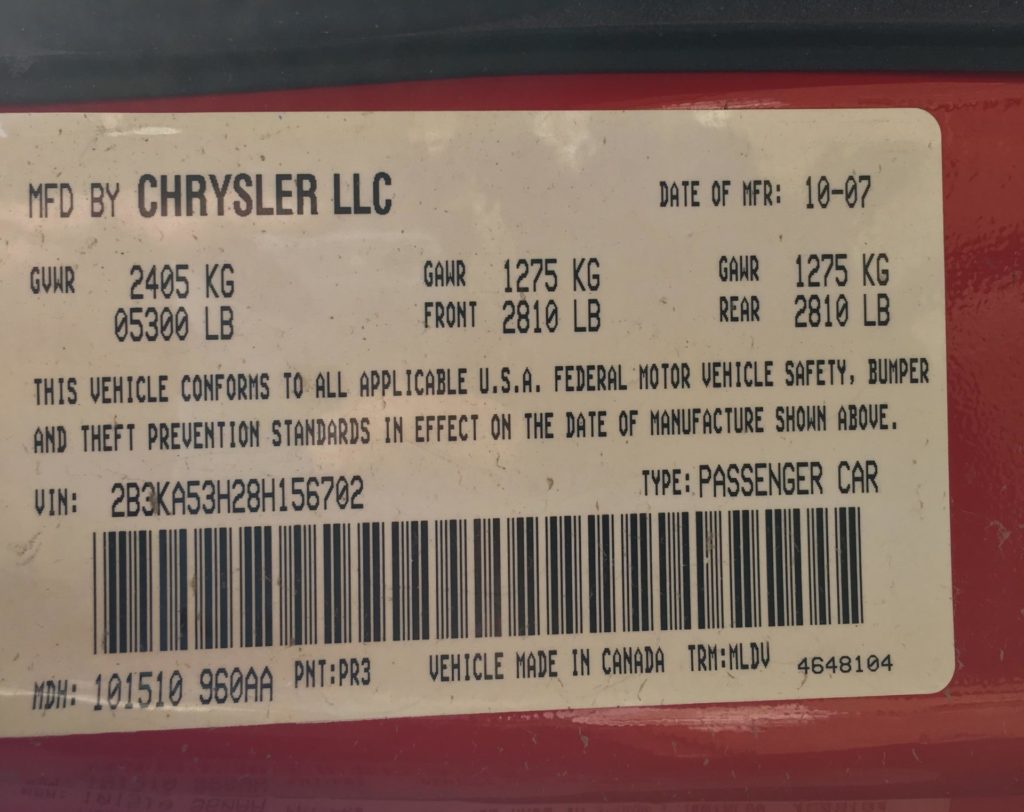
- Read the regulatory text of FMVSS No. 141 in 49 CFR 571.141, including the S9 phase-in provisions quoted above, and confirm the vehicle's GVWR is 10,000 pounds or less.
- Check the production date: vehicles manufactured on and after September 1, 2020, must fully comply (small-volume manufacturers were treated separately in the phase-in schedule).
- If the vehicle can be driven in electric mode in the standard's test conditions, expect sound while stationary in gear, in reverse, and in forward motion up to 30 km/h — but not while parked, and not required above 30 km/h.
- For the details of any amendment, consult the Federal Register documents themselves: the February 26, 2018 reconsideration and the July 13, 2022 final rule, both in docket records searchable at federalregister.gov and Regulations.gov.