How it works · US
How the EPA measures electric-car range and MPGe, according to the agency's own FAQ
A look at how the US EPA arrives at the range and MPGe figures on its fuel economy labels: laboratory test cycles run by manufacturers, EPA re-testing of a share of models, weighting of cycle distances into an overall range, and why electricity is measured at the charge source. Based on the fueleconomy.gov FAQ.

On video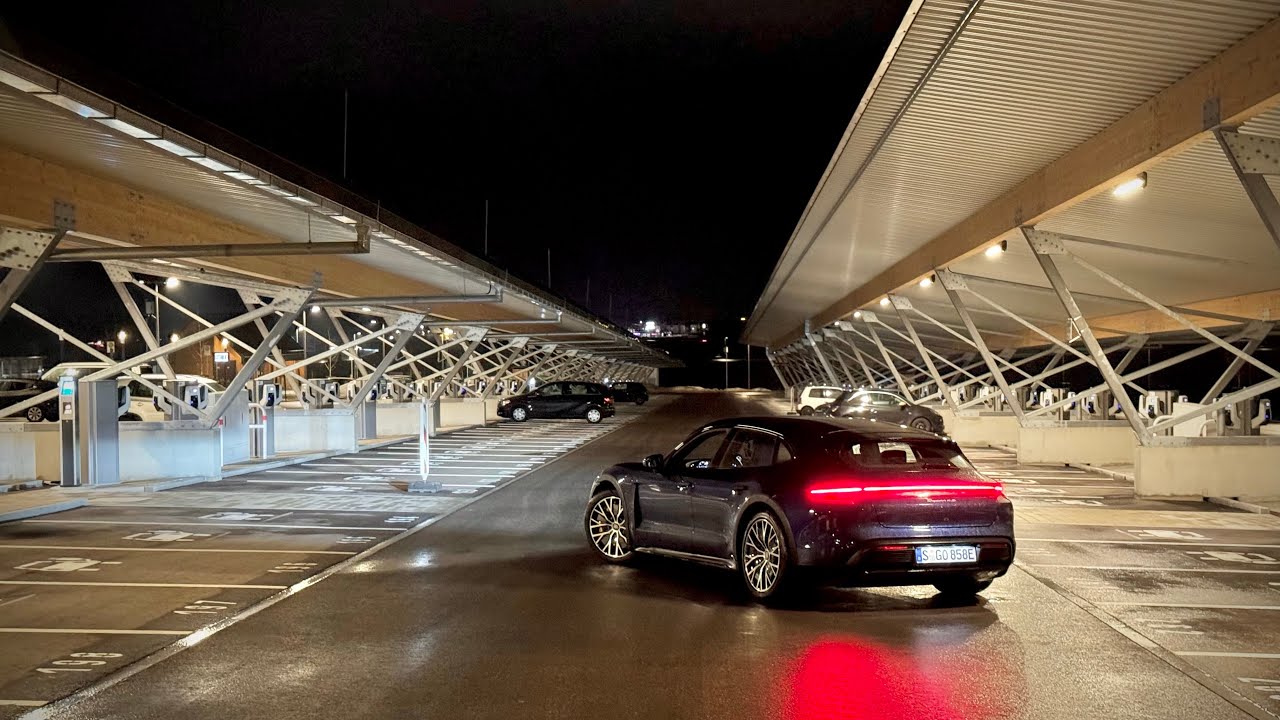 This Is The World's Largest EV Charging Station!Out of Spec Reviews · opens the player
The recording belongs to Out of Spec Reviews and plays from YouTube; opening it lets YouTube see the request. Watch on YouTube.
Electric cars in the United States carry EPA fuel economy labels that include a range figure and an MPGe number, and these rest on a defined testing process rather than a manufacturer's own claims. The method is described on fueleconomy.gov, the site the US Department of Energy and the EPA use to publish fuel economy information to consumers, in its Frequently Asked Questions page.
Where the numbers come from
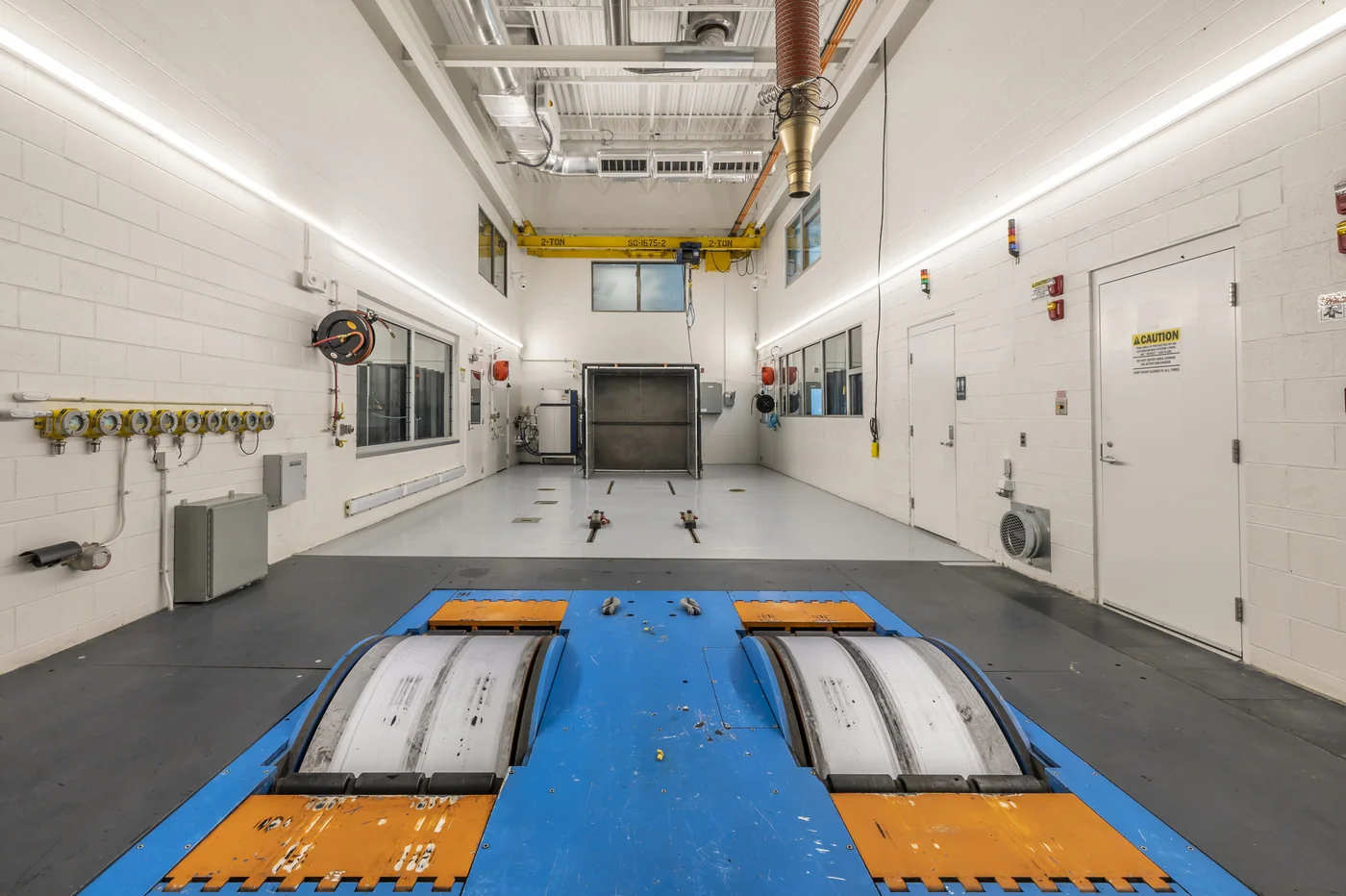
The starting point is laboratory testing. According to the FAQ, EPA estimates are based on laboratory tests conducted by manufacturers according to federal regulations, and the agency does not simply take those results at face value: EPA re-tests about 10% of vehicle models to confirm the manufacturer's results. So the figures begin as measurements from a controlled lab run under a federal rulebook, with a layer of agency verification on top.
How EV range is tested
For electric vehicles, the test is run to exhaustion rather than to a fixed distance. The FAQ describes it this way: electric vehicles are run through each test cycle until the battery charge decreases until it cannot follow the test cycle, and the resulting distances are then weighted and adjusted to generate an overall range. In other words, the car repeats the driving cycles until the battery can no longer keep up, and those distances are combined into the single range number.
One consequence worth knowing: you cannot work the range out yourself from battery capacity and fuel economy. The FAQ notes that range cannot be calculated based on fuel economy and battery capacity since manufacturers do not generally design vehicles to use the entire battery capacity. A car with a stated 80-kilowatt-hour pack, for example, hypothetically may not be programmed to draw all of it, so back-of-the-envelope arithmetic will not reproduce the label figure.
What MPGe means
MPGe exists because electricity is not sold in gallons. The FAQ defines miles per gallon of gasoline-equivalent (MPGe) as a measure of fuel economy for vehicles that use fuels not measured in gallons, such as electricity, natural gas, and hydrogen, representing the number of miles the vehicle can go using a quantity of fuel with the same energy content as a gallon of gasoline. The stated purpose is comparison: it makes it easy to compare the fuel economy of gasoline and diesel vehicles with those that run on other fuels.
Why electricity is counted at the wall, not the battery
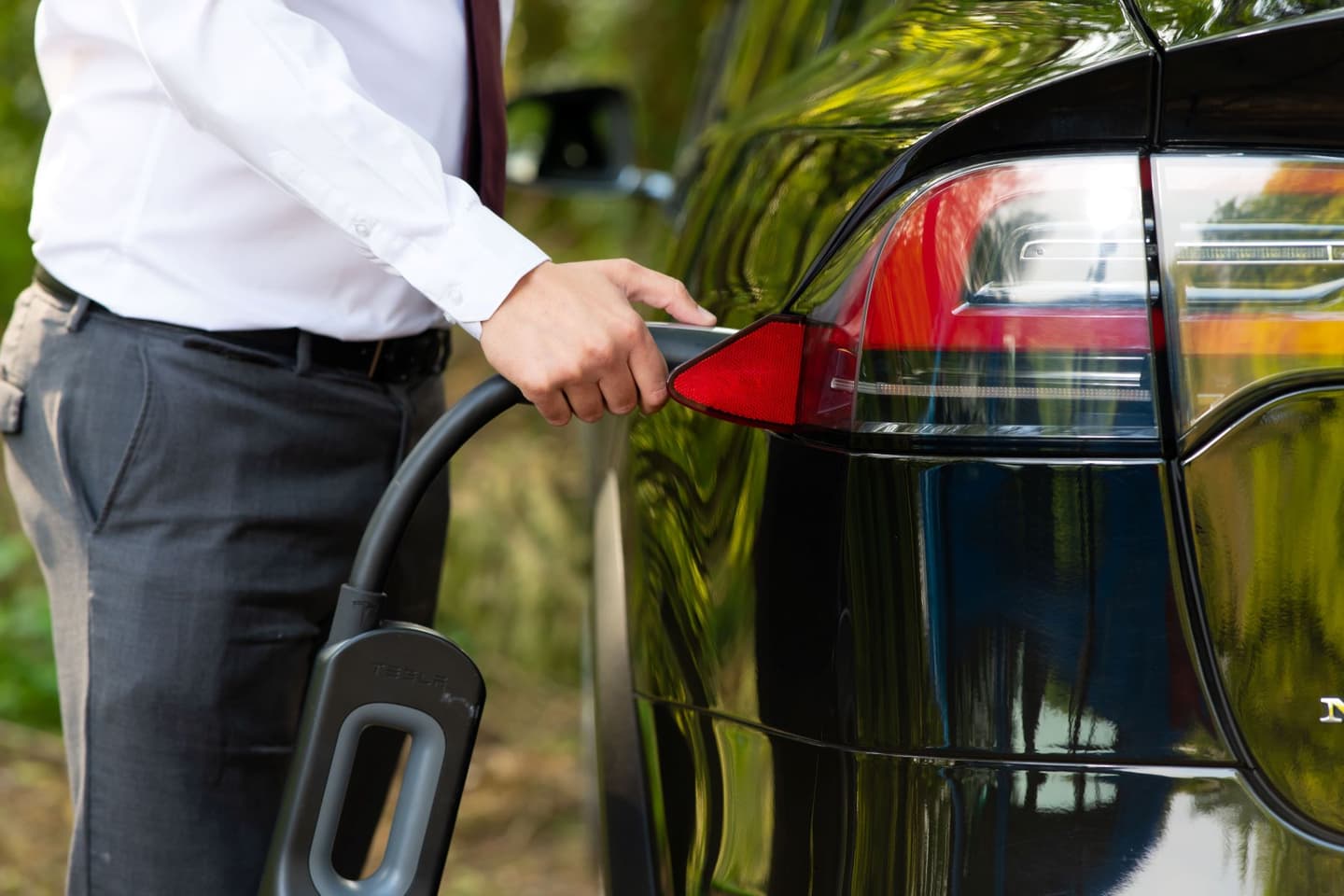
The energy consumed by an electric car is not measured at the battery terminals. According to the FAQ, electricity use is measured from the charge source, and the page gives two reasons: a small amount of energy is lost in charging the vehicle, and the estimate represents the energy that is paid for by the consumer. The FAQ adds that, as with other fuel types, upstream energy use and losses are not included in these estimates - so generation and transmission losses upstream of your outlet are outside the number.
The limits of the label
The EPA itself cautions against treating its estimates as a prediction of any individual trip. The FAQ states plainly that no test can accurately predict fuel economy for all drivers and all driving conditions, and lists driver behavior, driving conditions, vehicle maintenance, fuel characteristics, weather, and other factors as reasons your own results can differ from the label.
To check the method for yourself, read the Frequently Asked Questions page on fueleconomy.gov, which links to EPA Test Procedures for Electric Vehicles and Plug-in Hybrids for the full method behind the range figure, and look up the specific model you are interested in on the same site to see its EPA ratings.