Rules & rights · US
Tires and fuel economy on paper: how NHTSA built its tire fuel efficiency rating program, 2009–2011
A rules-and-rights explainer of the US Tire Fuel Efficiency Consumer Information Program, built from the three Federal Register documents that carried it: the June 2009 proposal, the March 2010 final rule and the December 2011 amendments. What replacement passenger car tires are rated, what is excluded, and what manufacturers must still report.
In the United States, replacement tires carry their own paper trail under NHTSA's Tire Fuel Efficiency Consumer Information Program. Section 111 of the Energy Independence and Security Act of 2007 (EISA) directed NHTSA to build a national tire fuel efficiency consumer information program for replacement tires, covering three attributes at once: fuel efficiency, safety and durability. The agency's June 22, 2009 notice of proposed rulemaking (74 FR 29542) opened that process, proposing "a broad new consumer information program for replacement tires to inform consumers about the effect of tires on fuel efficiency, safety, and durability," with information provided at the point of sale and online.
The statute set a deadline as well as a mandate: within 24 months of EISA's enactment, NHTSA was to promulgate rules establishing the program, including "a national tire fuel efficiency rating system for replacement tires to assist consumers in making more educated tire purchasing decisions." The final rule followed on March 30, 2010, and a December 21, 2011 final rule (issued December 14, 2011) amended the reporting requirements after petitions for reconsideration. As the 2011 final rule has it, the three documents define what the program covers when buying replacement passenger car tires — and, just as importantly, which tires fall outside the system entirely. Note that this account rests on the three documents read for this piece; no newer document was consulted.
The metric: rolling resistance, tested to ISO 28580
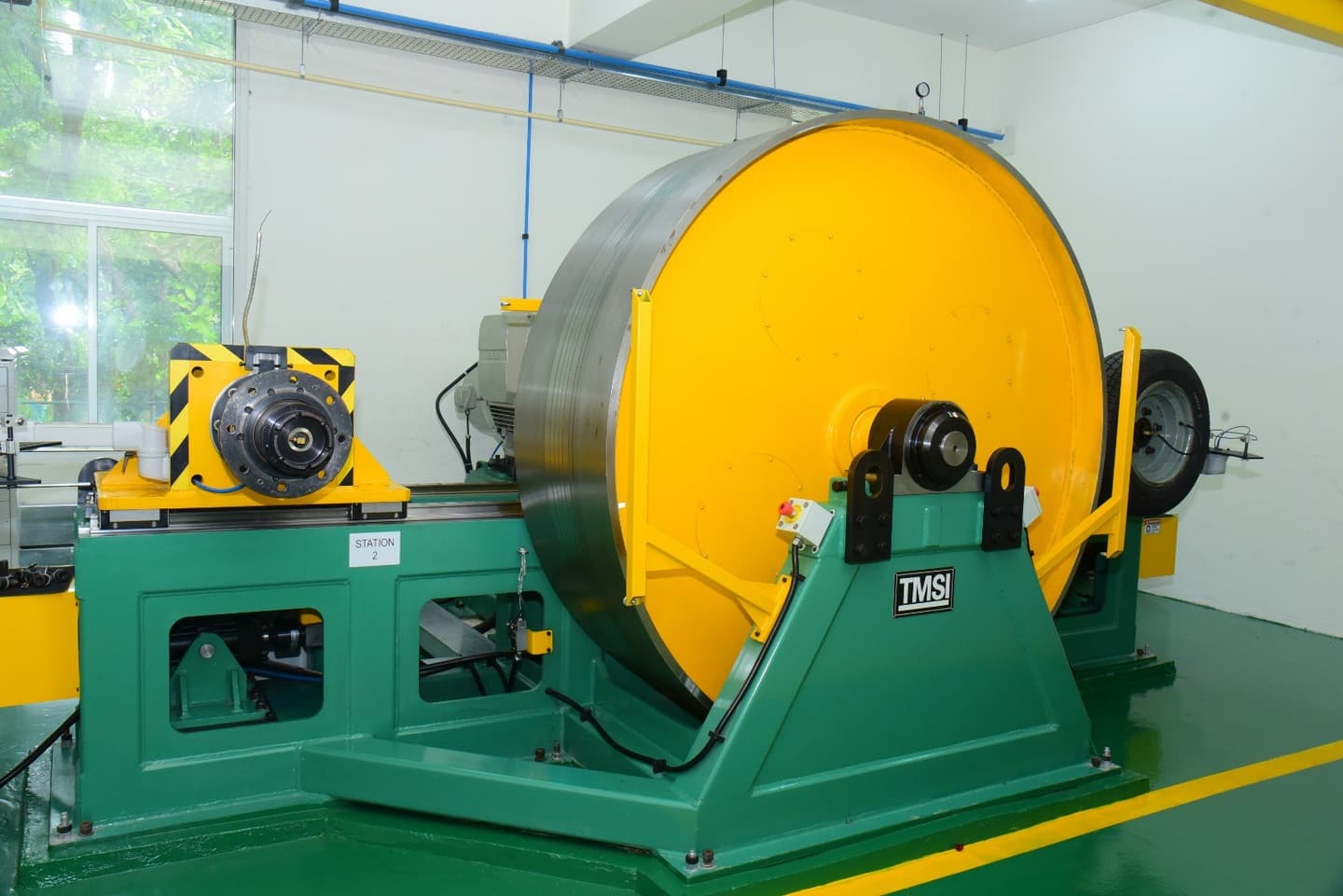
The fuel-efficiency leg of the program rests on rolling resistance. NHTSA proposed "to communicate tire fuel efficiency information in the form of a rolling resistance rating, because rolling resistance corresponds to the amount of fuel used in the form of mechanical energy dissipated to move the tire," and to base the rating on rolling resistance force (RRF). The 2009 NPRM proposed that manufacturers rate their tires using the ISO 28580 test method for rolling resistance, while the safety and durability legs reuse methods consumers already know from tire sidewalls: the existing Uniform Tire Quality Grading Standards (UTQGS) test methods for wet traction (safety) and treadwear (durability).
Which tires are rated — and which are not
The program applies to replacement passenger car tires, with the same exclusions as the UTQGS regulation. EISA itself excludes two large categories: light truck (LT) tires and original-equipment tires. In the 2010 final rule, NHTSA confirmed that LT tires are outside the program's scope. The 2011 rule recaps the full exclusion list from the March 2010 final rule.
The LT exclusion is not a small carve-out. NHTSA's 2009 notice noted that LT tires "represented approximately 16.7 percent of the U.S. replacement tire market in 2007." The agency tested LT tires during its research but stated it was "not authorized to regulate them through this tire fuel efficiency consumer information program." For a buyer shopping for an LT-marked tire, the rating simply will not exist — the sidewall marking "LT" is itself the signal that the tire sits outside the system.
What manufacturers must report — narrowed in 2011
The 2010 final rule required manufacturers to report information on every category of exempted tire. After petitions for reconsideration, the December 2011 rule cut that list back. The reasoning turned on markings: most excluded tires already identify themselves on the sidewall.
- LT tires are marked with the letters "LT", "C", "CP", or "MPT"
- Space-saver or temporary use spare tires are marked with the letter "T"
- Each tire is marked with its rim diameter, so tires with nominal rim diameters of 12 inches or less can be identified by examination
- Manufacturers must still report information on deep tread, winter-type snow tires and limited production tires, which "may not display markings that would allow a consumer to readily determine that they were exempt from the TFECIP"
The 2011 rule also settled a question from Bridgestone about tires supplied only to dealers to replace original-equipment tires at no cost under warranty or manufacturer agreements. On reconsideration, NHTSA concluded that such tires "should not be considered replacement tires for the purposes of the TFECIP," because they are not available to consumers making a purchase. The rule likewise tightened timing: when a manufacturer makes a design change affecting a rating, the revised information must reach NHTSA "at least 30 days prior to introducing the redesigned tire for sale."
How to check a tire against the program
The rule text gives shoppers a practical verification path. Before buying a replacement passenger car tire in the US market:
- Read the sidewall: an "LT", "C", "CP", "MPT" or "T" marking, or a nominal rim diameter of 12 inches or less, places the tire outside the program
- Ask the retailer for the fuel efficiency, wet traction (safety) and treadwear (durability) ratings for the tires under consideration; the 2009 proposal would have required dealers to make ratings available and retailers to display a program poster
- For deep-tread snow tires and limited-production tires, expect reporting to NHTSA rather than a rating, and treat the absence of a rating as the rule's design, not a data gap
Nothing here is a performance verdict. The documents describe a system for letting consumers "compare tire fuel efficiency across different tires and examine any tradeoffs between fuel efficiency (i.e., rolling resistance), safety (i.e., wet traction), and durability (i.e., treadwear)" — the tradeoffs remain the buyer's to weigh. The primary texts are on the Federal Register's website (Docket No. NHTSA-2008-0121); to confirm what the rule says, read the final rules directly, as the rule text we read, dated December 2011, has it — no newer document was consulted for this piece, and the reporting requirements may have changed since.