Rules & rights · US
FMVSS 1968–2019: NHTSA's own accounting of 50 years of US safety standards, and what that research says they prevented
A December 17, 2024 NHTSA press release reports the agency's research on the benefits and costs of the Federal Motor Vehicle Safety Standards from 1968 to 2019: more than 860,000 deaths prevented, 49 million nonfatal injuries, 65 million vehicles spared damage, and $17.3 trillion in comprehensive societal benefits in 2019 dollars, against roughly $1 trillion in total costs for the 52 years combined. The release names three underlying research reports covering passenger cars and light trucks and vans.
On video "SAFETY FIRST" 1960s DAIMLER-BENZ AUTOMOTIVE SAFETY FILM SEAT BELTS & CRASH TEST DUMMIES XD86425PeriscopeFilm · opens the player
The recording belongs to PeriscopeFilm and plays from YouTube; opening it lets YouTube see the request. Watch on YouTube.
When the first FMVSS took effect in 1968, the long-term consequences were unmeasured. In December 2024, the US National Highway Traffic Safety Administration (NHTSA) released new research measuring the safety benefits and societal costs of the FMVSSs between the implementation of the first FMVSS in 1968 and 2019, for US-market vehicles the standards cover. The headline numbers are large, and the agency put them in its own press release dated December 17, 2024, from Washington, DC.
In NHTSA's description, the standards are no abstract compliance exercise. NHTSA issues FMVSSs for new motor vehicles and equipment to reduce the number of crashes and the risk of deaths and injuries, and manufacturers of new vehicles and equipment must conform to and certify compliance with the standards. The new research set out to quantify what that produced over the half-century, in deaths, injuries and property damage avoided.
What the research says the standards prevented
The totals cover 1968 through 2019. In NHTSA's words, the safety standards prevented more than 860,000 deaths on the nation's roads, 49 million nonfatal injuries, and damage to 65 million vehicles. The agency also isolated a single year: in 2019 alone, these standards prevented about 40,000 deaths, 1.9 million nonfatal injuries, and damage to 3.8 million vehicles.

The dollar side: $17.3 trillion against roughly $1 trillion
NHTSA valued the benefits as comprehensive societal impacts, a measure that includes both economic and lost quality of life. By this accounting, the comprehensive societal benefits from 1968 to 2019 amounted to $17.3 trillion, using 2019 dollars. The agency set that against total costs for the 52 years combined of roughly $1 trillion. Deputy Administrator Sophie Shulman described the cost categories the measure is meant to capture: medical bills, property damage, lost productivity, traffic congestion that results when crashes occur on roadways, legal and court fees, insurance, emergency services, and workplace losses.

The three reports behind the press release
The press release names the research reports readers can consult directly:
- “Fatalities, Injuries, and Crashes Prevented by Vehicle Safety Technologies and Associated Federal Motor Vehicle Safety Standards, 1968 to 2019 – Passenger Cars and LTVs”
- “Cost and Weight Added by the Federal Motor Vehicle Safety Standards for Model Years 1968 to 2019 in Passenger Cars and Light Trucks and Vans”
- “Historical Analysis of Costs and Benefits of FMVSS for Passenger Cars and LTVs on a Calendar-Year Basis”
The second title addresses the cost side specifically, covering the cost and weight added by the standards for model years 1968 to 2019 in passenger cars and light trucks and vans. NHTSA framed the overall finding in plain terms: the new research confirms that safety technology improvements, particularly those mandated by federal standards, have been overwhelmingly beneficial to society.
Which technologies the agency credits
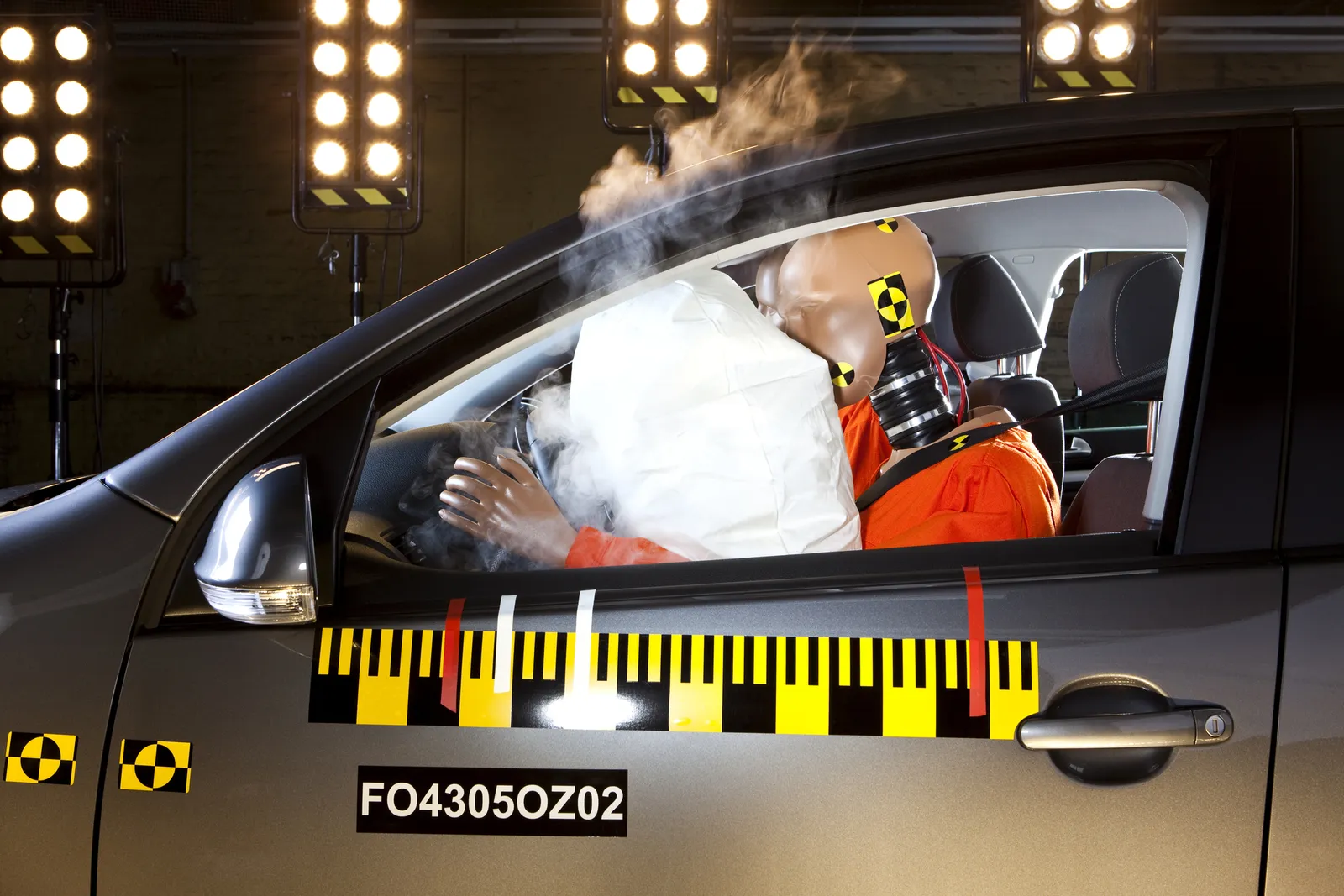
Shulman's statement tied the results to specific equipment rather than to regulation in the abstract: technologies such as seat belts, air bags, electronic stability control, improved brakes, and many other safety features are saving lives as intended, she said. Note the market scope: these are US FMVSS figures for the 1968–2019 window and the dollar basis stated above. NHTSA also connected the rules to the US Department of Transportation's National Roadway Safety Strategy, saying they support the strategy's safer vehicles principle, with the safe system approach as its cornerstone.
The figures above are as stated in NHTSA's December 17, 2024 press release, which also names the three research reports behind them; the release gives the 2019-dollar basis for the $17.3 trillion in benefits and the roughly $1 trillion in costs.