Rules & rights · EU
The EU Batteries Regulation on paper: what Regulation (EU) 2023/1542 requires of EV batteries, and the dates that matter
A document-based reference on Regulation (EU) 2023/1542, the EU Batteries Regulation: its scope across five battery categories including EV and LMT batteries, its status and application dates, and the phased requirements — carbon-footprint declaration from 2025, recycling and recycled-content targets, the QR-code battery passport, and raw-materials due diligence — as published by the European Commission.
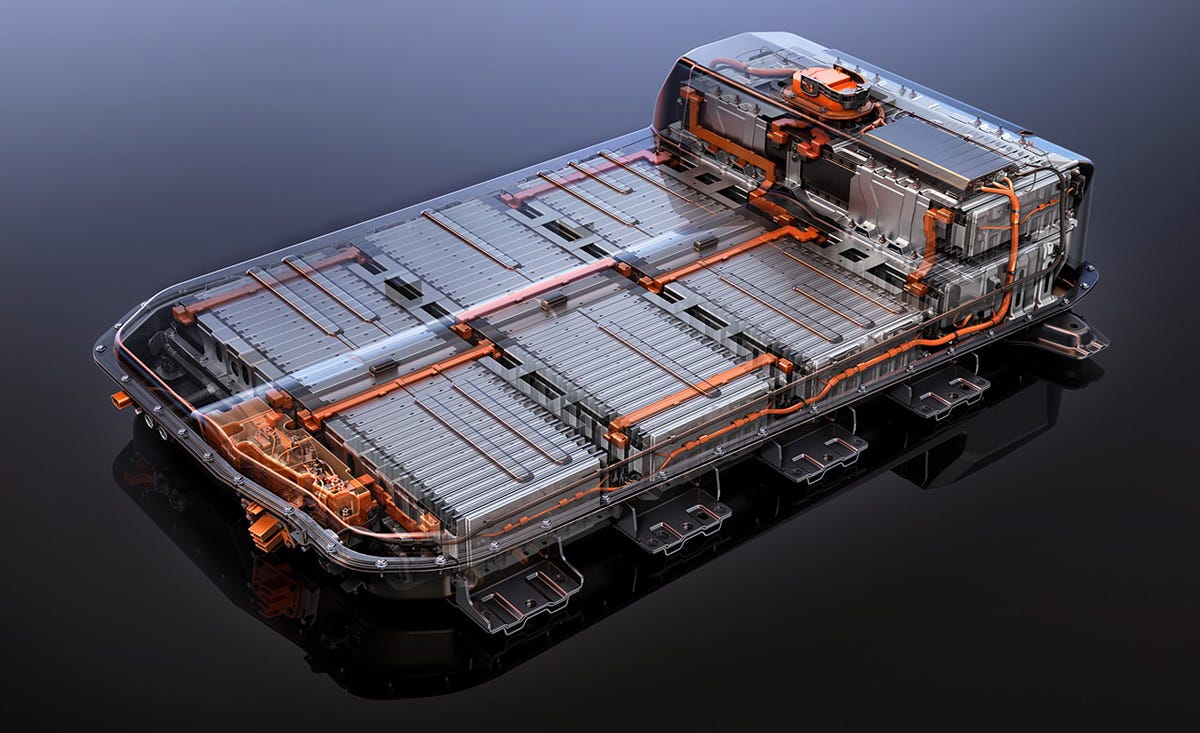
On video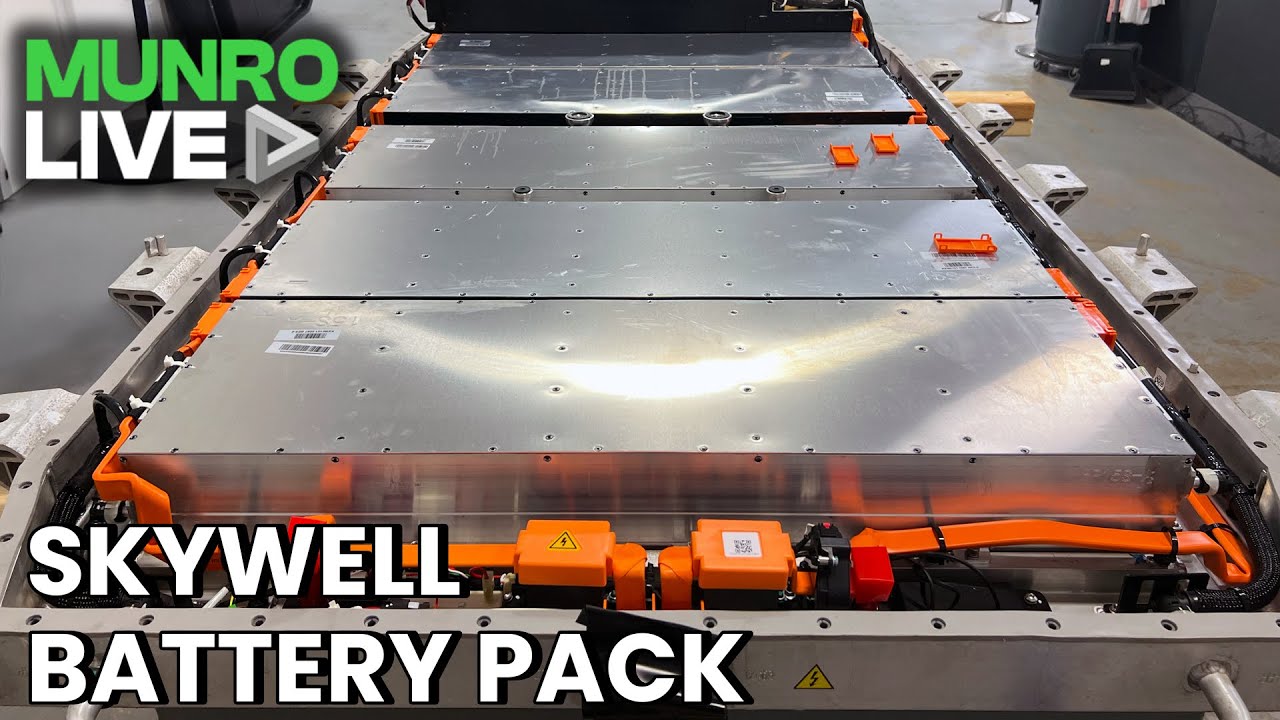 Skywell EV Battery Pack Teardown – What’s Inside?Munro Live · opens the player
The recording belongs to Munro Live and plays from YouTube; opening it lets YouTube see the request. Watch on YouTube.
Electric vehicle batteries sold in the European Union are governed not by a directive or a vehicle rule alone, but by a dedicated product law covering the whole life cycle: Regulation (EU) 2023/1542, commonly called the Batteries Regulation. According to the European Commission's batteries page, the EU Framework on Batteries, governed by that regulation, "establishes harmonised rules for all batteries placed on the EU market, regardless of their origin, composition, or whether they are sold separately or incorporated into products or vehicles." The Commission lists its status as "In force since 17 August 2023" with an "Application date" of 18 February 2024.
The regulation is the successor to the Batteries Directive of 2006, which the Commission news release of 17 August 2023 notes had regulated batteries and waste batteries at EU level since that year. The Commission describes the new regulation as "the first piece of European legislation taking a full life-cycle approach in which sourcing, manufacturing, use and recycling are addressed and enshrined in a single law." The topic page, as read at the time of preparation, lists the Batteries Directive as "repealed in 2025 by the new Batteries Regulation."
Which batteries fall inside the scope
The regulation divides batteries into five categories, and two of them matter directly to readers of this site. The Commission's page names them as "portable batteries, light means of transport (LMT) batteries (e-bikes/e-scooters), electric vehicle (EV) batteries, industrial batteries, and starting, lighting, and ignition (SLI) batteries." Across these categories, the regulation "sets binding requirements for sustainability, safety, labelling, supply chain due diligence, and end-of-life management." For EV buyers, that means an EV traction battery placed on the EU market is regulated from material extraction through to recycling, not only as a component of the vehicle.
Carbon footprint, recycled content and recycling: the dates from 2025
The Commission's news release of 17 August 2023 sets out a phased timetable for EV batteries. It states that "starting from 2025, the Regulation will gradually introduce declaration requirements, performance classes and maximum limits on the carbon footprint of electric vehicles, light means of transport (such as e-bikes and scooters) and rechargeable industrial batteries." In parallel, targets for recycling and recycled content are to be introduced in stages: "Targets for recycling efficiency, material recovery and recycled content will be introduced gradually from 2025 onwards." The release adds that "All collected waste batteries will have to be recycled and high levels of recovery will have to be achieved, in particular of critical raw materials such as cobalt, lithium and nickel."

Some of the detailed methodology is already in secondary legislation. The Commission's topic page, as read at the time of preparation, lists a Delegated Regulation (EU) 2025/606 "establishing the methodology for calculation and verification of rates for recycling efficiency and recovery of materials from waste batteries, and the format for the documentation," and notes that on 4 July 2025 the Commission published new rules for waste batteries that will calculate and verify the rates of recycling efficiency and material recovery. Because requirements are introduced gradually, the exact thresholds applying to a given battery depend on the year it is placed on the market.
Labels, the QR code and the digital battery passport
Two consumer-facing instruments are defined in the regulation. First, labelling: the Commission writes that "key data will be provided on a label" to help consumers make informed decisions on which batteries to purchase. Second, a document the Commission highlights: "A QR code will provide access to a digital passport with detailed information on each battery that will help consumers and especially professionals along the value chain in their efforts to make the circular economy a reality for batteries." For an EV battery, the passport is therefore a per-battery digital record, accessed by scanning a QR code, rather than a general model-level datasheet.

Where raw materials come from: due diligence duties
The regulation also binds the supply chain upstream of the finished battery. The Commission's news release states: "Under the new law's due diligence obligations, companies must identify, prevent and address social and environmental risks linked to the sourcing, processing and trading of raw materials such as lithium, cobalt, nickel and natural graphite contained in their batteries." The Commission frames this against expected demand growth, saying the expected massive increase in demand for batteries in the EU "should not contribute to an increase of such environmental and social risks."
What to watch as the phases land
The requirements are introduced step by step, so the obligations attached to an EV battery differ by model year and by battery category. The headline milestones from the Commission's 17 August 2023 release and its batteries topic page are:
- Carbon-footprint declaration requirements, performance classes and maximum limits for EV, LMT and rechargeable industrial batteries, gradually starting from 2025
- Targets for recycling efficiency, material recovery and recycled content, introduced gradually from 2025 onwards
- Removability and replaceability of portable batteries in electronic products, starting in 2027 — a rule the Commission ties to portable batteries in electronic products rather than to EV traction batteries
- The QR-code digital passport carrying detailed per-battery information
- Derogations from removability and replaceability requirements for portable batteries incorporated in products, under Article 11(2) of the regulation
For the removability rule, the Commission's release dates the change explicitly: "Starting in 2027, consumers will be able to remove and replace the portable batteries in their electronic products at any time of the life cycle." Separately, the topic page records the derogation process: the Commission Notice C/2025/214 of 8 January 2025 announced the regular publication of calls for applications under the Commission's empowerment in Article 11(4) to grant further derogations, and applicants were invited to apply before 30 April 2025. The page states that "The process is now closed."
How to check the requirements yourself
Nothing in this article rests on testing or on third-party reporting; every point above comes from two European Commission pages — the DG Environment batteries topic page and the news release dated 17 August 2023. To verify a specific requirement, go to the Commission's batteries page under Environment, which lists the regulation's status, its application date, and the delegated and implementing acts adopted under it; the 17 August 2023 news release sets out the phased dates in plain language. For the exact text of an obligation, consult EUR-Lex, the EU's official database of law, and match the article and date to the battery category and market year you are checking.
This explainer covers the EU market as the source documents describe it. Requirements named here apply to batteries placed on the EU market; other markets set their own battery rules, and figures or requirements from one market should not be carried into another. Commission help pages change, so dates and lists above reflect the pages as they read at the time of preparation.