How it works · UK
UK vehicle tax for electric cars, vans and motorcycles: what the DVLA guidance says for the year from 1 April 2026
Electric and zero-emission vehicles in the UK no longer pay nothing. DVLA guidance lists the rates now due and the £50,000 list-price supplement.
On video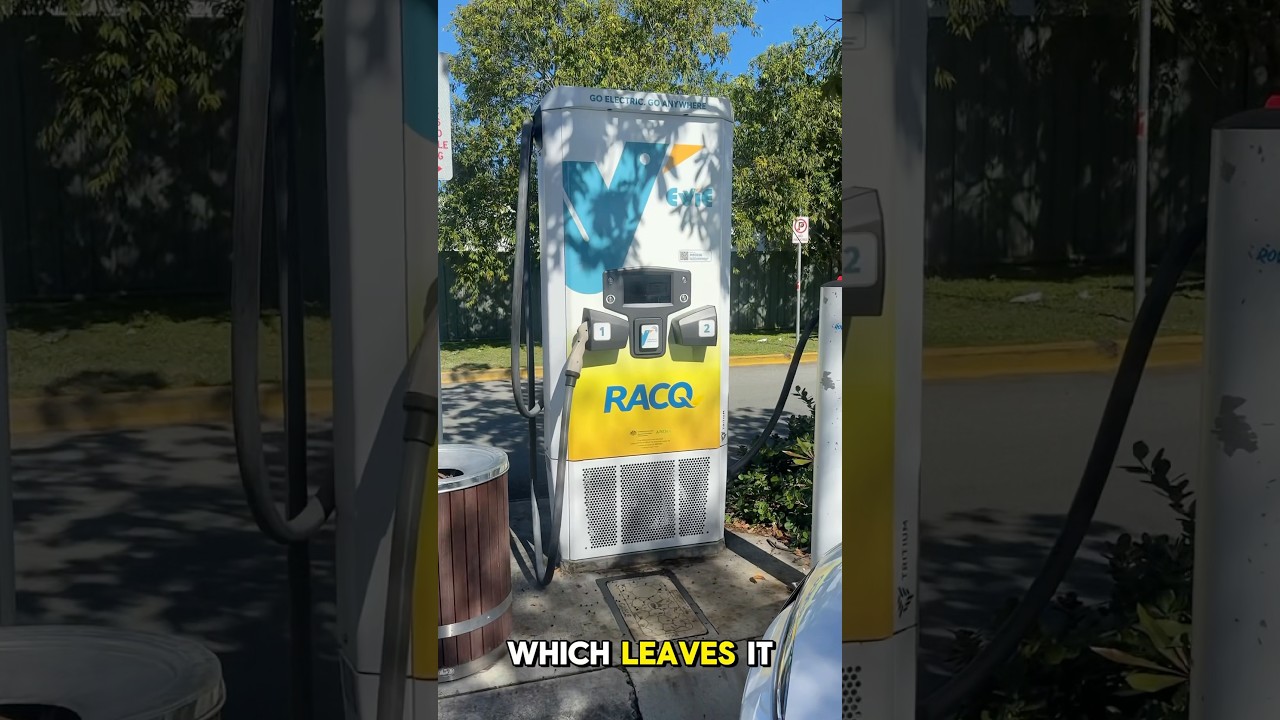 First time charging an EV on a public charger! #ev #electricvehicle #byd #bydseal #carreviewCar Mummy · opens the player
The recording belongs to Car Mummy and plays from YouTube; opening it lets YouTube see the request. Watch on YouTube.
From 1 April 2025, vehicle tax became due on electric, zero and low emission vehicles in the UK, closing the exemption that electric cars had enjoyed. The Driver and Vehicle Licensing Agency (DVLA) sets out the rates on its GOV.UK guidance page, most recently updated on 2 April 2026. The page is the publishing body's own statement of the rules: what you pay depends on the type of vehicle and when it was registered, and the rates listed run from 1 April 2026 to 31 March 2027.
For UK readers this is a change worth budgeting for, and the figures below are the DVLA's, not ours. For readers elsewhere, note that this is United Kingdom vehicle tax, known as Vehicle Excise Duty (VED) — not road pricing elsewhere — and the rates apply to the UK market only.
Cars: rates by registration date
The DVLA splits electric, zero and low emission cars into three registration cohorts.
- Cars registered on or after 1 April 2025: £10 for the first year, then the standard rate of £200.
- Cars registered between 1 April 2017 and 31 March 2025: the standard rate of £200.
- Cars registered between 1 March 2001 and 31 March 2017: the standard rate of £20.
Hybrids and alternatively fuelled vehicles have lost their discount. The £10 annual discount for hybrid and AFVs has been removed. Per the guidance, a hybrid or AFV registered on or after 1 April 2017 pays the standard rate of £200, while such vehicles registered before 1 April 2017 are taxed on their CO2 emissions. The £200 standard rate is the figure the guidance lists for the newer cohorts; the guidance does not state a policy motive for the change.
The expensive car supplement
There is a second charge for higher-list-price vehicles. If an electric or zero-emission vehicle registered on or after 1 April 2025 has a list price of more than £50,000, the owner pays the standard rate plus the additional rate, which applies for 5 years starting from the second year of vehicle tax. The DVLA amended this wording on 2 April 2026: the threshold now reads "more than £50,000", where it previously read "£50,000 or more" — a vehicle listed at exactly £50,000 falls under the threshold.
Note that the test is list price, not what you actually paid. The DVLA wording is "list price", so the guidance bases the supplement on the vehicle's list price; the guidance as read does not address dealer discounts.
Vans and motorcycles
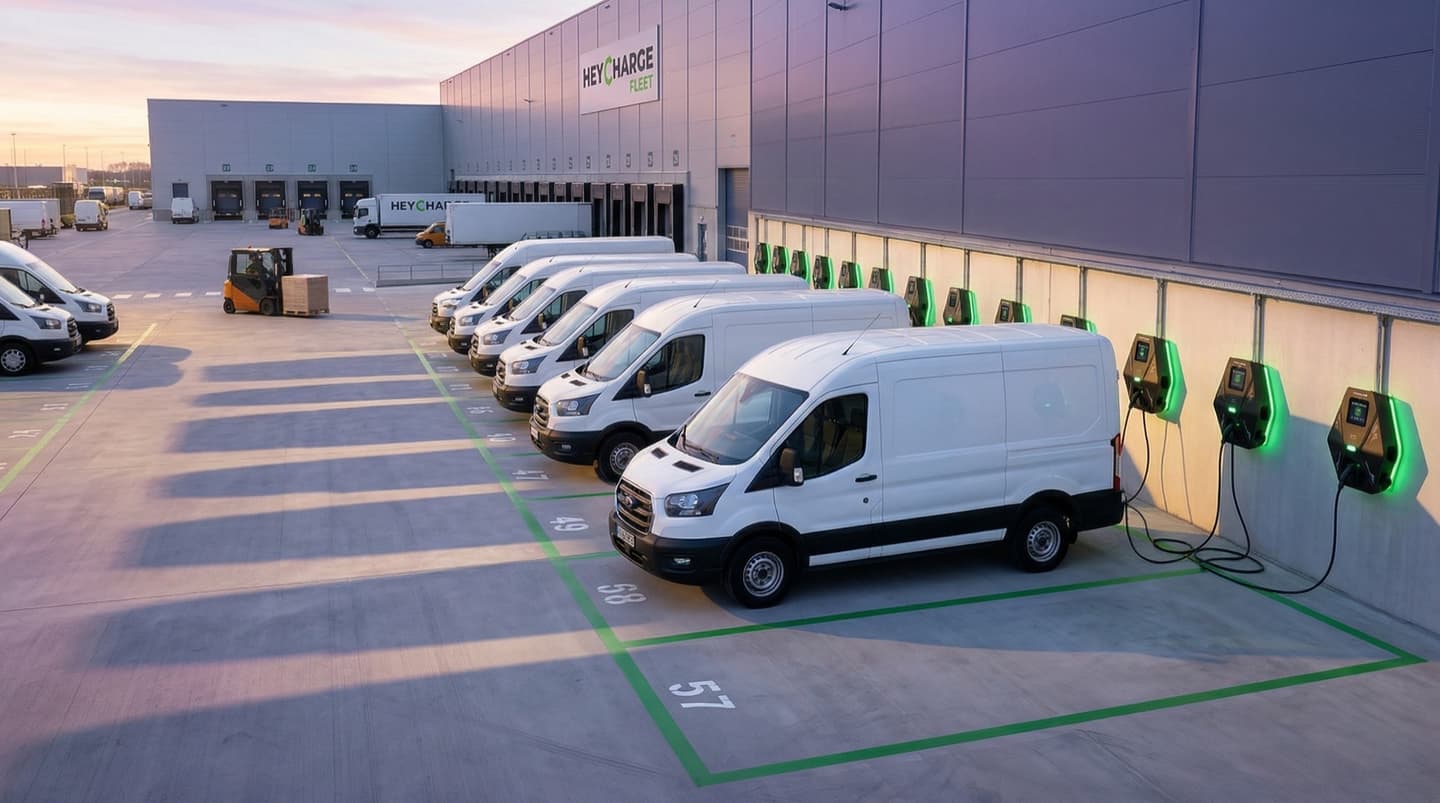
Per the DVLA guidance, most electric vans have moved to the standard annual rate for light goods vehicles. On the companion GOV.UK "other vehicle tax rates" table, as read at the time of preparing this article and carrying no visible rate-year label in the version we saw, the light goods vehicle rate (TC39) for vehicles registered on or after 1 March 2001 and not over 3,500kg revenue weight — a category that explicitly includes zero emission vehicles — is £360 for a single 12-month payment. A single 12-month payment by Direct Debit is also £360; the instalment options total more: £378 across 12 monthly instalments, £198 for a single 6-month payment and £189 across 6 months by Direct Debit. The rate window (1 April 2026 to 31 March 2027) comes from the guidance page.
Electric motorcycles and tricycles have moved, per the guidance, to the annual rate for the smallest engine size. The same rates table shows £27 for a single 12-month payment for a zero emission motorcycle and for a zero emission tricycle not over 450kg unladen, with the table carrying no visible rate-year or update date in the version read. For combustion motorcycles on that table, brackets run from £27 (not over 150cc) to £125 (over 600cc).
What stays the same
Two points from the guidance are worth keeping straight. First, the charge applies to vehicles already on the road, not just newly registered ones. Second, the rates are annual figures for the 1 April 2026 to 31 March 2027 window; the DVLA updates the page as rates change, so next year's figures are a separate matter.
How to check your own vehicle
- Read the DVLA's own guidance page on GOV.UK for electric, zero and low emission vehicles; it shows its publication and last-updated dates, so you can see which rate year you are reading.
- Find your vehicle's first registration date. That, plus the vehicle type, determines which rate band applies under the DVLA rules quoted above.
- If you think the expensive car supplement may apply, work out the list price of your vehicle and compare it with the DVLA's current threshold wording, amended 2 April 2026 to "more than £50,000".
- For vans and motorcycles, use the GOV.UK "other vehicle tax rates" table the guidance points to, which lists the TC39 light goods and TC17 motorcycle figures, including monthly and 6-month instalment prices.
- Where this article and the live GOV.UK pages differ, trust the live pages: rates are set annually and the guidance page has been updated several times since April 2024.