Rules & rights · US
IIHS names 63 US-market Top Safety Pick winners for 2026 under tougher crash-avoidance and back-seat rules
The Insurance Institute for Highway Safety announced its first 2026 award winners for the US market on March 24, 2026: 63 vehicles so far, 45 Top Safety Pick+ and 18 Top Safety Pick, up from 48 at the same point in 2025. We summarize the 2026 criteria changes and how to check a specific model.
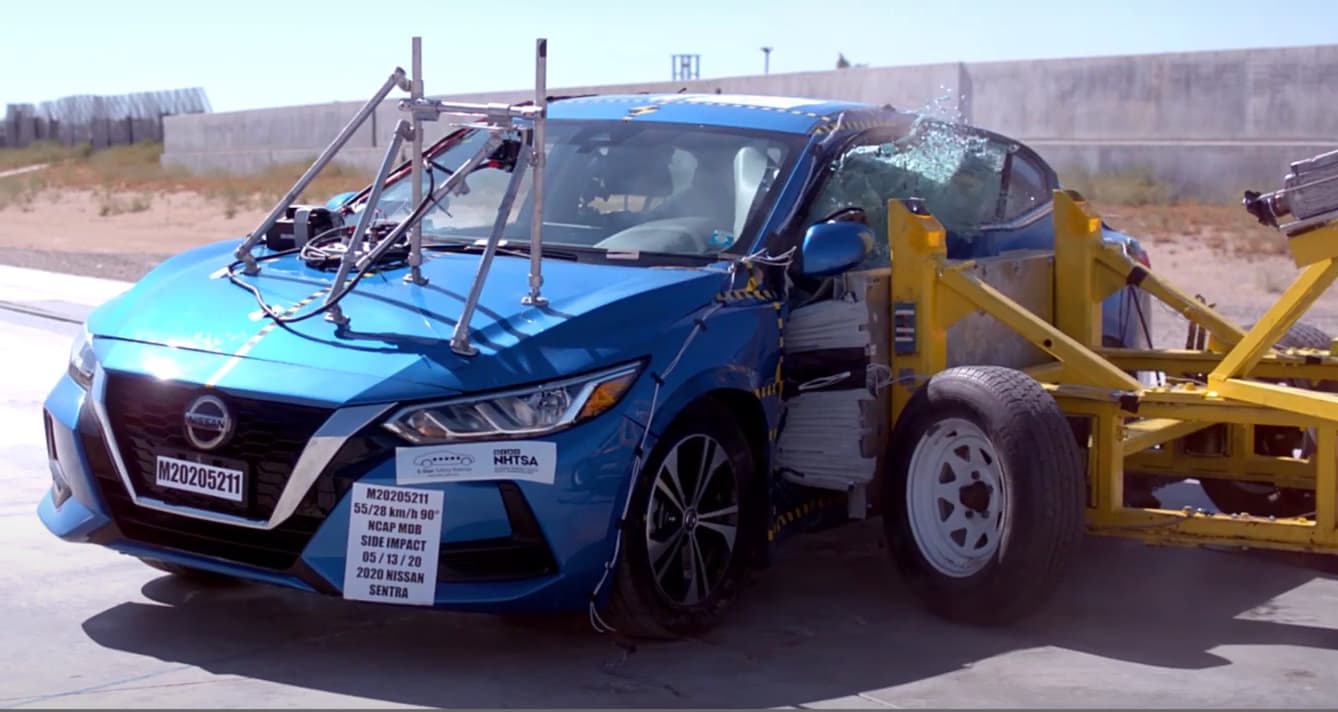
On video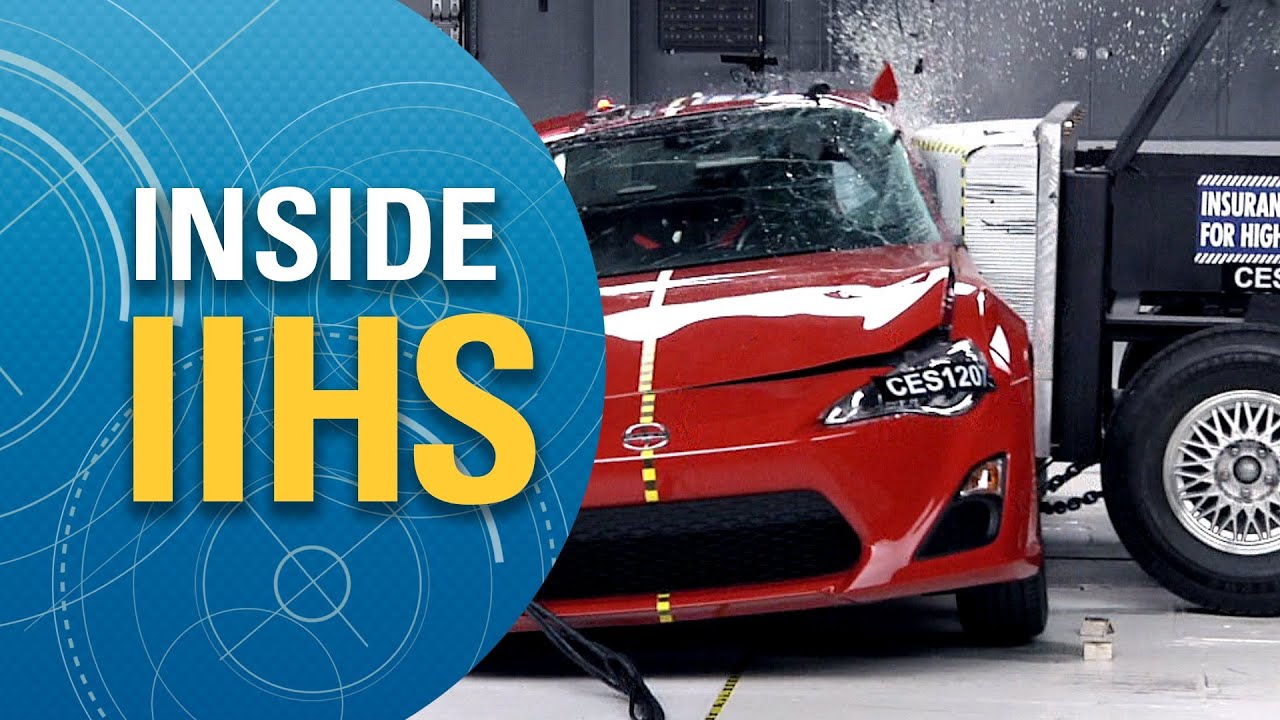 Inside IIHS: Side testingIIHS · opens the player
The recording belongs to IIHS and plays from YouTube; opening it lets YouTube see the request. Watch on YouTube.
The Insurance Institute for Highway Safety (IIHS) published its first round of 2026 Top Safety Pick awards for the US market on March 24, 2026. Sixty-three vehicles qualify so far: 45 earn the higher Top Safety Pick+ designation and 18 earn Top Safety Pick. That is up from 48 at the same point last year, and the Institute is framing the bump as evidence that automakers can meet stricter rules without delay.
Two things distinguish the 2026 criteria. For Top Safety Pick+, a good rating is now required in the pedestrian front crash prevention test, along with an acceptable or good rating in the updated vehicle-to-vehicle front crash prevention evaluation introduced in 2024. And in a change affecting both awards, qualifying front crash prevention systems must be standard rather than optional.
What the 2026 awards require
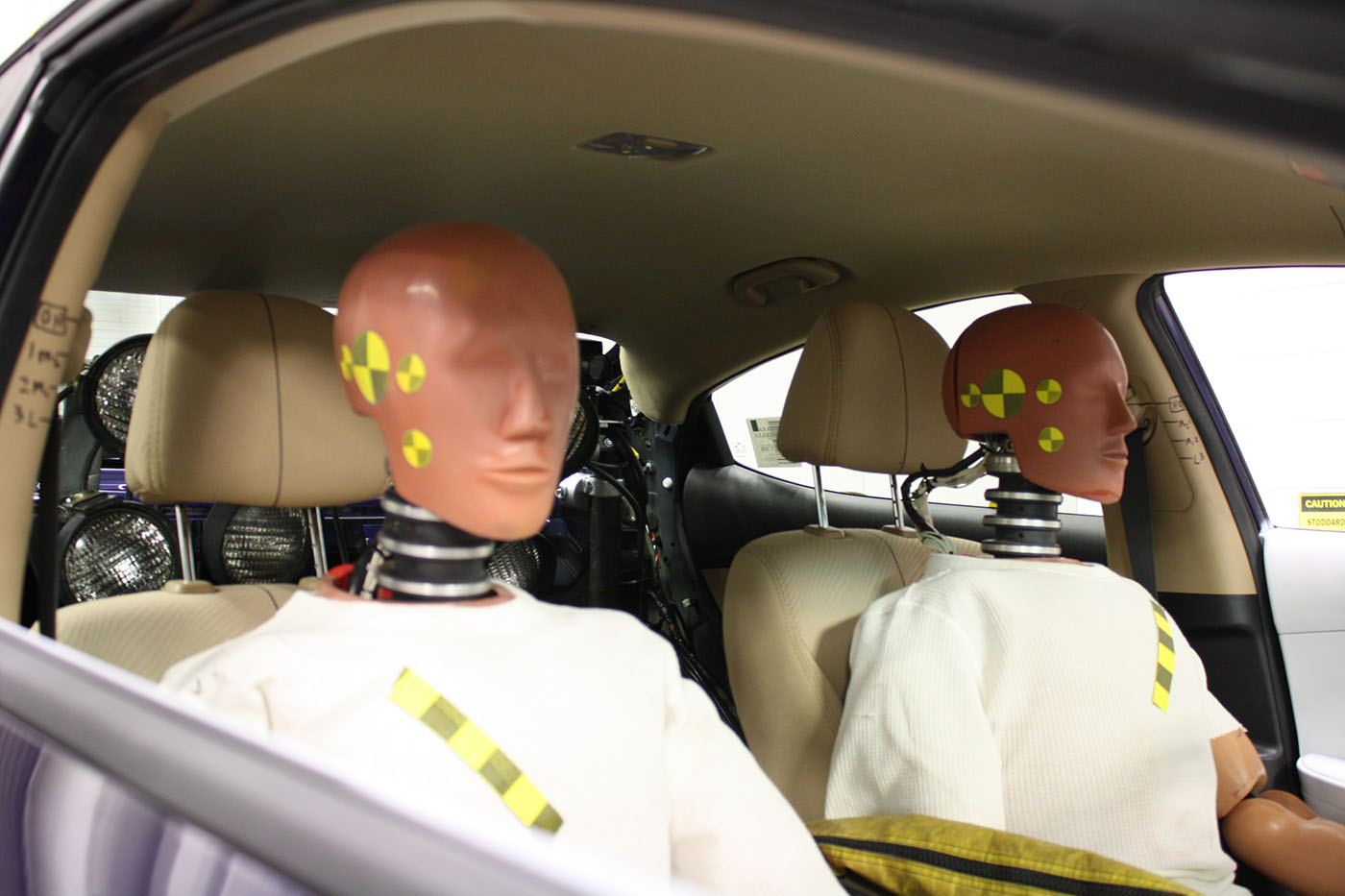
Both awards rest on the same crashworthiness foundation. As before, good ratings in the small overlap front and side tests are required, all trims must come with acceptable- or good-rated headlights, and pedestrian front crash prevention must be at least acceptable. The updated moderate overlap front test, which IIHS revised in 2022 to emphasize back seat protection, is where the two awards diverge this year.
- Top Safety Pick+: good ratings in the small overlap front, moderate overlap front and side tests; acceptable or good headlights with standard availability; good pedestrian front crash prevention with standard availability; and acceptable or good vehicle-to-vehicle front crash prevention 2.0 with standard availability.
- Top Safety Pick: the same three crash test ratings and headlight requirement, plus acceptable or good pedestrian front crash prevention with standard availability — but no vehicle-to-vehicle requirement.
The back-seat requirement is the change IIHS is stressing. Last year, vehicles needed a good rating in the moderate overlap front test only for Top Safety Pick+, while an acceptable rating sufficed for the base award. For 2026, a good rating is required for either designation. "This year, we're asking automakers to make excellent protection for back seat passengers the norm," IIHS President David Harkey said in the announcement.
The headline addition to the Top Safety Pick+ criteria is the vehicle-to-vehicle front crash prevention evaluation. The original version of this test, discontinued in 2022, covered lower-speed rear-end crashes against a passenger car target. The new evaluation runs at 31, 37 and 43 mph (50, 60 and 70 km/h) and also uses a motorcycle target and a semitrailer.
The requirement appears not to have caught manufacturers off guard. IIHS says more than 70% of the 85 model year 2025 vehicles it evaluated in this test earned acceptable or good ratings even without the award incentive, and more than 77% of 2026 models tested so far meet the standard.
Which vehicles won, and with what fine print
The 63 winners span small cars to large pickups. Among small cars, IIHS's awards page for the US market lists the Kia K4, both Mazda 3 body styles, the 2026-27 Nissan Sentra and the 2026 Toyota Prius 4-door hatchback as Top Safety Pick+ winners, and the Honda Civic hatchback and Hyundai Elantra as Top Safety Pick winners. Note one wrinkle in the Institute's own materials: the March 24 release places the Toyota Prius under the base Top Safety Pick small-car list, while the ratings page lists the 2026 Prius as Top Safety Pick+, so the Prius's designation is stated differently across the two IIHS sources. Among SUVs, IIHS counts 35 of the 45 Top Safety Pick+ winners and 12 of the 18 Top Safety Picks. Large pickups are thinly represented: only the Tesla Cybertruck crew cab (Pick+) and Toyota Tundra crew cab (Pick) qualify. No minicars, minivans or small pickups earn awards this year.
Several winners carry build-date qualifiers, meaning the award applies only to vehicles produced from a certain month. The Genesis G80 award covers vehicles built after June 2025, the Kia Sportage after May 2025, the Hyundai Palisade after November 2025, the Kia Sorento after September 2025, and the 2027 Kia Telluride after June 2026. A buyer checking a specific used or incoming vehicle needs the production date, not just the model year, to confirm eligibility.
IIHS describes the awards as identifying the best vehicle choices for safety within size categories during a given year, and it is explicit that size still matters: a small car that qualifies might not protect its occupants as well as a bigger vehicle that does not earn an award. The awards are also US-market designations based on IIHS's own test protocols; they are not a verdict on reliability, and they do not cover categories in which no model met the criteria this year, such as minivans.
Pricing is worth noting because IIHS makes a point of it: the manufacturer suggested retail prices for more than a dozen Top Safety Pick+ winners start under $30,000 in the US market, with the Kia K4 starting at $22,290 and the Hyundai Kona small SUV starting at $25,500. These are the manufacturer figures IIHS cites in its announcement and will change with model year updates.
To verify an award for a specific model, check the IIHS 2026 Top Safety Picks page, which lists winners by size category and flags build-date qualifiers alongside the model name. For any vehicle not yet listed, note that IIHS describes the March list as the winners so far, and more models are typically added as the model year progresses. If a model's designation matters to you — the Toyota Prius being a live example of the two IIHS pages disagreeing — cross-check both the announcement and the ratings page.