Rules & rights · EU
EU End-of-Life Vehicles Regulation in force since 13 August 2026: the rules it sets and the dates that matter
The EU's End-of-Life Vehicles Regulation entered into force on 13 August 2026 and applies from 1 September 2028, replacing the 2000 ELV Directive and the 2005 3R type-approval Directive. The European Commission's pages set out recycled-content targets from 2032, Commission targets for steel and aluminum from 2033, scope extension to lorries, buses and motorcycles, electronic certificates of destruction, and roadworthiness checks on used-vehicle exports from mid-2031.
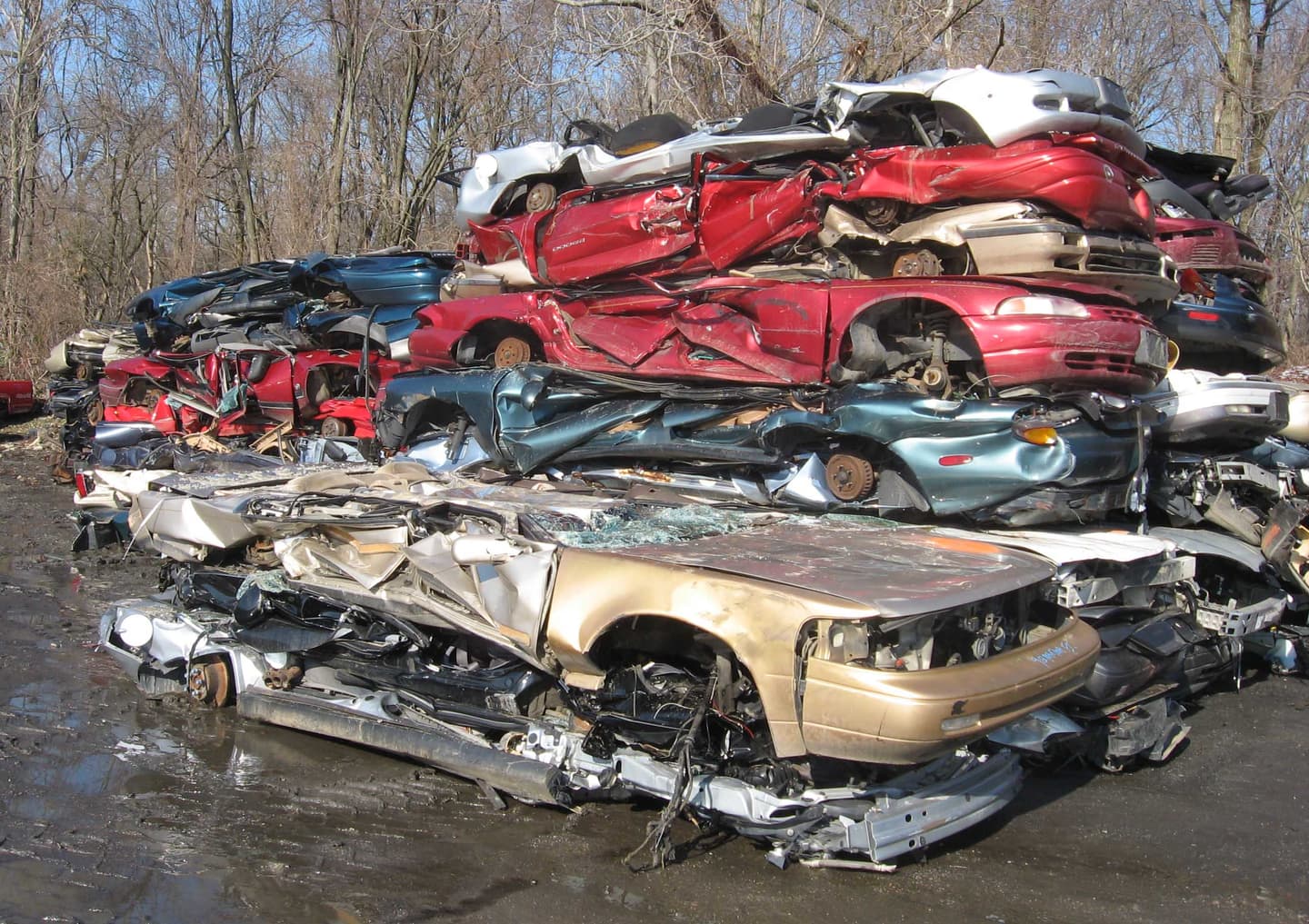
On video Crushing Out Cars that have been Sitting for Over a DECADE!Adventures Made From Scratch · opens the player
The recording belongs to Adventures Made From Scratch and plays from YouTube; opening it lets YouTube see the request. Watch on YouTube.
The European Union's End-of-Life Vehicles Regulation entered into force on 13 August 2026, according to the European Commission's Directorate-General for Environment. The Commission's status page lists the Regulation as in force from that date and in application from 1 September 2028, with the existing End-of-Life Vehicles Directive and the 3R type-approval Directive continuing to apply until then. A Commission news article dated 12 August 2026, published the day before entry into force, confirms the timeline.
The Regulation replaces and modernizes the framework set up by Directive 2000/53/EC, which established common rules on collecting and treating end-of-life vehicles in an environmentally sound way, and the 2005 "3R type-approval Directive" (2005/64/EC), which set basic recyclability rules as a condition for new vehicles entering the EU market. The Commission notes that vehicles have since become more complex, with more electronics, plastics and critical raw materials, and says the new law responds to that with circularity requirements, recycled-content obligations, stronger producer responsibility, improved traceability and higher standards for dismantling and material recovery.
Recycled content in new vehicles
The headline requirement for manufacturers is a floor on recycled plastic in new vehicles. Per the Commission's overview page, the target is 15% recycled plastic content from 2032, rising to 25% from 2036. The Regulation also sets up a framework under which the Commission will set recycled-content targets for steel and aluminum (British: aluminium), expected to apply from September 2033 per the same page's timeline.
In its news article, the Commission frames the plastic targets as mandatory, with the steel and aluminum targets to follow, and attributes the recycled-content calculation methodologies and future steel and aluminum targets to implementing and delegated acts the Commission will adopt. The overview page also lists September 2029 as the date treatment requirements start to apply.
Why the Commission says the rules are needed
The Commission's explainer page states that around 3.5 million vehicles "disappear without a trace from EU roads each year" - exported or disposed of illegally - and that one third of vehicles by mass, namely lorries, motorcycles and buses, are not covered by the current rules. It also lists the EU automotive industry as the top consumer of aluminum (42%), magnesium (44%), platinum group metals (63%), natural rubber (67%) and rare earth elements (30% in 2025). These are the Commission's own figures for the EU market, stated to make its case for the law; they are not independent measurements, and readers should treat them as the Commission's claims.
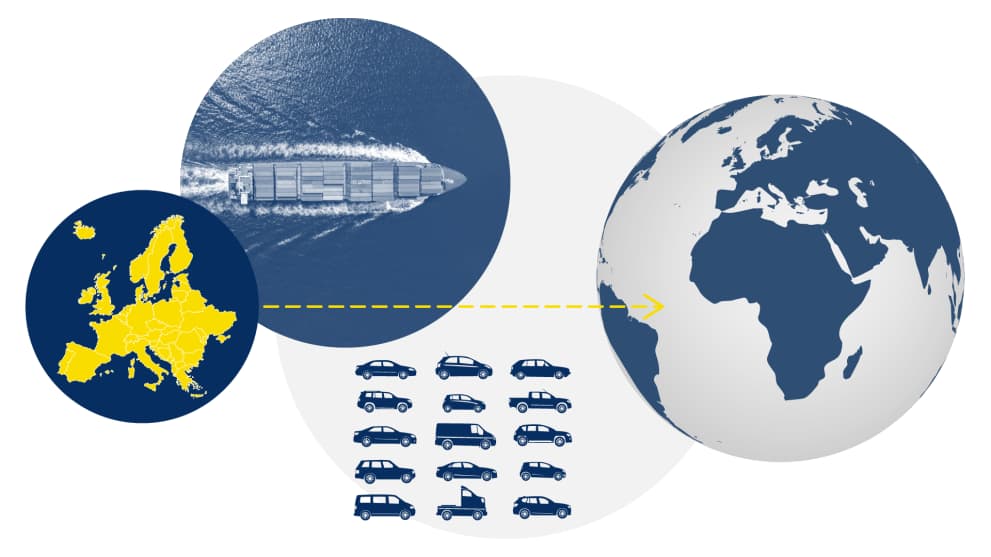
The same page projects benefits by 2035, including 12.8 million tons less CO2 emitted, 3.8 million more end-of-life vehicles collected and treated in the EU than otherwise might have been exported or dismantled illegally, 350 tons of rare earth materials collected, and 22,000 new jobs in the EU, of which 14,000 for SMEs. It also puts the cost of the rules at less than €70 per vehicle. These are the Commission's projections and cost claim, published on its own explainer, not audited outcomes.
Traceability, producer responsibility and who is covered
Beyond recycled content, the Regulation strengthens Extended Producer Responsibility (EPR), so that producers contribute to the costs of collecting and treating end-of-life vehicles, per the Commission's news article. It also reinforces traceability: the overview page points to digital reporting, electronic certificates of destruction, electronic record-keeping and information exchange between national authorities, and states that Member States monitor implementation, with the Regulation including minimum inspection levels.
The scope widens beyond cars. Under the timeline on the Commission's overview page, September 2031 brings both the extension of the rules to motorcycles, lorries, buses and trailers and roadworthiness requirements for exports of used vehicles. On the export point, the news article states that from mid-2031 only roadworthy vehicles may be exported outside the EU, aimed at preventing end-of-life vehicles from being traded as second-hand ones - the explainer notes over 800,000 used vehicles are exported from the EU each year, mainly to Africa.
The dates to watch
Summarizing the timeline the Commission publishes, the sequence for the EU market is:
- 13 August 2026: the Regulation enters into force; the ELV Directive and 3R type-approval Directive continue to apply.
- 1 September 2028: the Regulation enters into application.
- September 2029: treatment requirements start to apply.
- September 2031: scope extension to motorcycles, lorries, buses and trailers, and roadworthiness requirements for used-vehicle exports.
- September 2032: minimum 15% recycled plastic content applies to new vehicles.
- September 2033: Commission-established recycled-content requirements for steel and aluminum expected to apply.
- From 2036: recycled plastic content scales to 25%.
Two qualifications matter. First, until the Regulation applies on 1 September 2028, the old Directives govern, so deadlines in 2029 and later rest on the assumption set out now. Second, the steel and aluminum targets are still to be set by the Commission through delegated and implementing acts, so the specific future levels and calculation methods are not yet on the table. Note, too, that one of the Commission's own 12 August 2026 documents is a news release, and the quotes from Commissioners Roswall and Séjourné in it are statements of position. All figures above are the Commission's, for the EU market, and subject to change. This article holds no test results of our own and makes no driving impression.
To check any of this yourself, compare any date or figure here against the Commission's own sources (European Commission, Directorate-General for Environment): the End-of-Life Vehicles overview, which carries the status and application dates, the ELV Regulation explainer, and the news article of 12 August 2026, which also links the Regulation's full text in the EU's official legal database, EUR-Lex.