Rules & rights · UK
Bringing a car into the UK for good: the GOV.UK steps from HMRC notification to DVLA registration
Importing a car permanently into the United Kingdom follows a fixed sequence set out on GOV.UK: telling HM Revenue and Customs within 14 days, paying VAT and customs duty, getting vehicle approval, and registering with the Driver and Vehicle Licensing Agency for a £55 fee. This explainer walks through each stage as the government guidance describes it, including the 10-year age exemption, the £100 GB conversion IVA fee for left-hand drive cars, and the up-to-six-week wait for the V5C registration document.
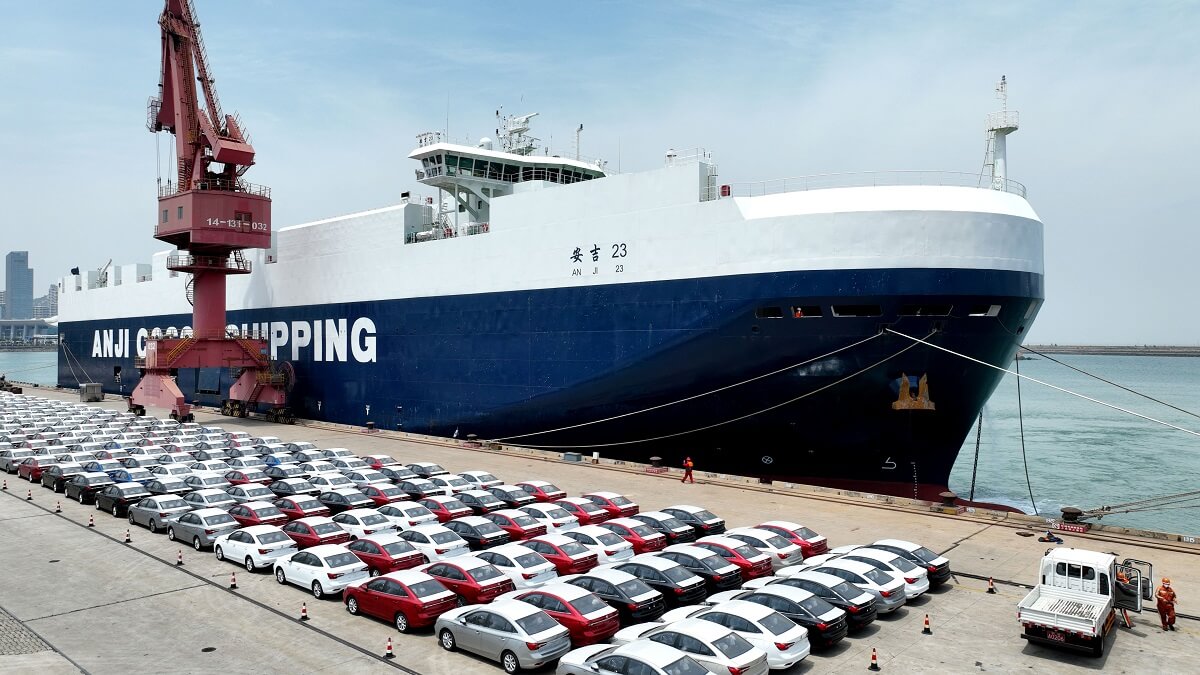
On video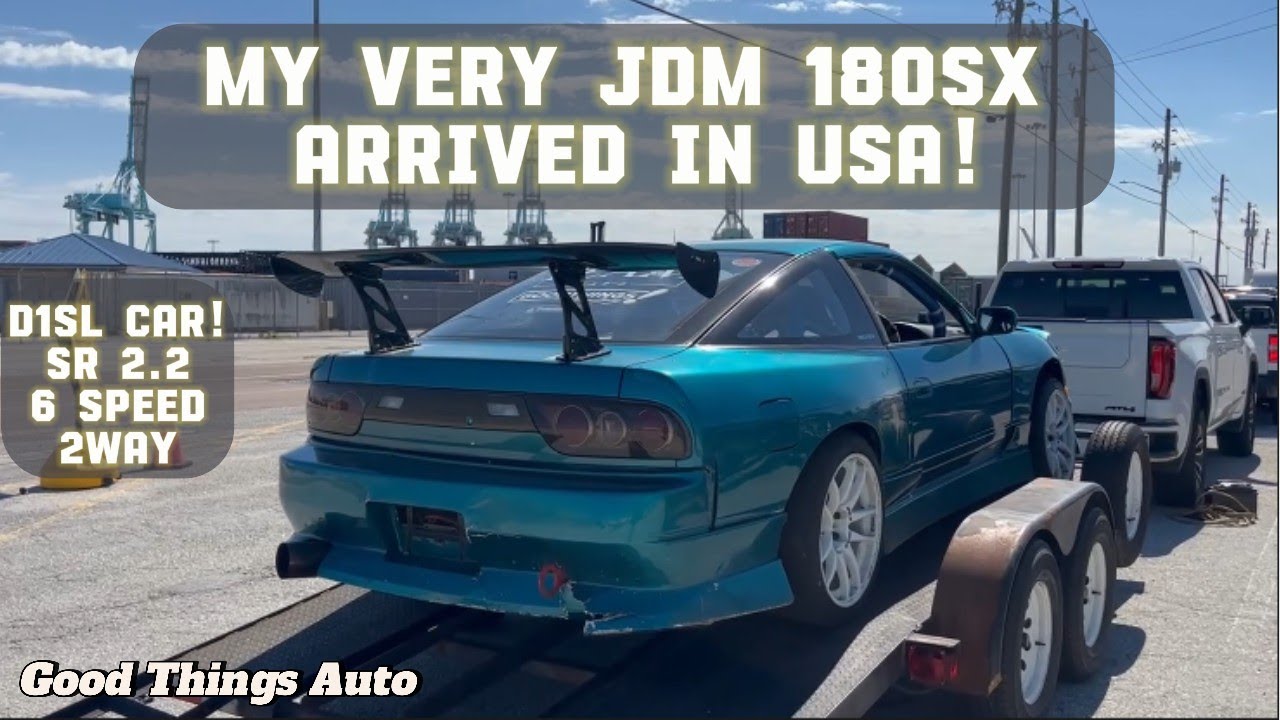 Get Your Imported Car From The Port! It’s JDM HEAVEN In There!!GOOD THINGS AUTO · opens the player
The recording belongs to GOOD THINGS AUTO and plays from YouTube; opening it lets YouTube see the request. Watch on YouTube.
Importing a car permanently into the United Kingdom is not a single transaction but a chain of separate steps, each handled by a different body: HM Revenue and Customs (HMRC) for taxes and notifications, the Vehicle Certification Agency (VCA) for approval, and the Driver and Vehicle Licensing Agency (DVLA) for registration. The UK government's GOV.UK guidance sets out the sequence, and the rules apply to vehicles brought permanently into Great Britain from anywhere, and into Northern Ireland from outside the EU.
The order of the steps depends on how the car arrives. If an import company ships it for you, the import declaration and duty payment happen at or before the border, before the HMRC notification and approval. If you bring the car in yourself through the Channel Tunnel or by ferry, you tell HMRC first and make the import declaration only if HMRC tells you that you need to pay VAT and customs duty.
One rule runs through the whole process: the car must not be used on UK public roads until every step is complete. The only exception in the guidance is driving to a pre-booked MOT or vehicle approval test.
Tell HMRC and pay the taxes
Whatever route the car takes, HMRC must be told that it has arrived, and the deadline is 14 days. For vehicles brought in by the owner, the notification takes the form of a Notification of Vehicle Arrivals (NOVA) declaration. Registration with DVLA cannot begin until HMRC confirms the NOVA application has been processed and any VAT and customs duty owed has been paid.
Getting vehicle approval
Approval shows that the imported car meets safety and environmental regulations, and the proof is required before DVLA will register and tax the vehicle. Which approval applies depends on where the car was registered. For a car registered in the EU, the manufacturer's European Certificate of Conformity is the proof; for a car not registered in the EU, the route is Individual Vehicle Approval (IVA), or Motorcycle Single Vehicle Approval (MSVA) if it's a 2, 3 or smaller 4-wheeled vehicle.
A left-hand drive car registered in the EU needs an extra document: a certificate of GB conversion IVA. Per the guidance, that application carries a £100 fee and goes to the address on the form; the Vehicle Certification Agency (VCA) is the contact for questions about eligibility. Trucks (lorries) or goods vehicles over 3,500kg cannot use the conversion IVA route and must apply for IVA instead.
Age matters as well. The guidance says a vehicle first registered or manufactured more than 10 years ago might not need approval. It also sets out one case where a car first registered on or after 1 March 2001 with EU type approval still needs approval for taxing: a light passenger vehicle — a car or minibus with 8 passenger seats or less (not including the driver) and with a CO2 emissions figure in g/km — or a light goods vehicle of 3,500kg maximum weight or less. If approval is missing in that situation, DVLA asks for a letter with the application explaining why it is missing.
The condition of the car is a hard gate at this stage too: a 'seriously damaged' vehicle cannot be registered and taxed, and anyone who has already paid for approval and then attempts such a registration will not be refunded.
Registering with DVLA
Only after NOVA is confirmed, the taxes are paid and the approval proof is in hand can the car be registered. Registration carries a £55 fee, and the vehicle must be taxed at the same time. DVLA may also ask to inspect the car before issuing the registration number, which is what allows number plates to be made up.
The application needs original documents, not photocopies or faxed copies, and the list for a first-time import is specific:
- proof of vehicle approval
- form V267 (sometimes called the 'declaration of newness') if you're registering a new vehicle
- evidence showing the date the vehicle was collected, for example the invoice from the supplier
- the original foreign registration certificate to show when the vehicle was manufactured (you will not get this back)
- form (V627/3) if the vehicle has been structurally modified beyond the manufacturer's specification
Two exceptions are noted in the same document. If the original foreign registration certificate is missing, DVLA might accept other proof of the manufacture date, such as a letter from the manufacturer or a vehicle enthusiast club. And a car returning to the UK that was registered in the UK before is registered on a different document set. Once the application is in, the guidance says the registration certificate, the V5C, can take up to 6 weeks to arrive.
Special cases on the map
One border case changes the picture. A UK resident can move a personally owned vehicle freely between Great Britain and Northern Ireland if it is registered in either country, is not being moved to sell it or for any other commercial purpose (for example, using the car as a taxi or hiring it to someone), and is for the owner's or the household's personal use.
The same framework also excludes two groups of readers: visitors who do not usually live in the UK and bring a vehicle for less than 6 months follow the temporary imports rules instead, and commercial importers of new vehicles that use a secure registration scheme do not have to follow these steps.
Checking the figures yourself
The fees, deadlines and exemptions cited here come from HMRC, DVLA and VCA guidance published on GOV.UK as read on 12 October 2026, and government conditions and fees, particularly around VAT and customs duty, can change with budget and trade-policy changes. Verify each figure before relying on it: the overview of rules lives at gov.uk/importing-vehicles-into-the-uk, with separate pages for vehicle approval and registration, and the VCA can be contacted at vehicleimporting@vca.gov.uk for GB conversion IVA questions. For the tax figures themselves, ask HMRC or a customs agent what applies to your vehicle and route, since the tax rate depends on the car rather than on a single published number.