Files · CN
Model availability and the rise of the EREV: what the IEA's Global EV Outlook 2025 documents
The International Energy Agency's Global EV Outlook 2025 industry-trends chapter counts 785 available electric car models in 2024, projects more than 1,000 by 2026, and documents how extended-range electric vehicles (EREVs), driven by China, took nearly 25% of electric SUV sales there in 2024. A files-style reference on what the chapter says, with every figure carrying its year and the IEA as its source.
On video Understanding How Electric Vehicle Charging Works And How Long It Really TakesState Of Charge · opens the player
The recording belongs to State Of Charge and plays from YouTube; opening it lets YouTube see the request. Watch on YouTube.
How many electric cars can a buyer actually walk into a showroom and choose from? The International Energy Agency's Global EV Outlook 2025, in its chapter on trends in the electric car industry, puts a number on it: the count of available electric car models rose 15% year on year to reach nearly 785 in 2024, and the agency projects that available electric car models could number more than 1,000 by 2026. Electric cars in the IEA's definition include both battery electric vehicles and plug-in hybrids.
That growth still leaves a gap. According to the same chapter, there are 50% fewer electric models than internal combustion and hybrid electric vehicle models today. Model counts in the IEA's analysis are based on vehicles with at least one new registration in a given year — a model on sale but never sold is not counted, so the agency notes actual availability may be underestimated.
The gap is not the same everywhere
The chapter's per-market figures show that a headline model count can hide where the choices sit. In the United States, there are nearly 100 electric large or SUV models available, which the IEA says is less than half the number of ICE and HEV models in those segments. Japan has roughly half of its large car segment offered as electric models, yet only 6% of large car sales there are electric. In Europe, more than 40% of all small and medium models available are electric, while the electric sales share in those segments is just 20%. Availability, in other words, does not by itself sell cars — the chapter notes that growing model availability supports EV adoption, but price appears to be the key.
The United States also stands out for what is missing at the small end. Per the chapter, of the 110 electric car models available there, only 2 are small — the Mini Cooper BEV and the Fiat 500 BEV — with sales totaling 3,000 in 2024, less than 1% of all electric car sales in that market. About 15% of the electric models due to enter the market in the next few years are medium sized, compared with 9% of available models today. Even with an increase of about 145 electric models by 2030, which would more than double model availability for electric cars in the region, the number of conventional models will remain 70% higher.
By automaker headquarters, the chapter finds that OEMs headquartered in Europe — it names Volkswagen, BMW and Mercedes — offer the most electric models after Chinese OEMs, with slightly fewer electric than ICE models available in China on the part of OEMs headquartered elsewhere. The IEA expects that balance in China to shift in favor of electric by 2030, with around 80 additional electric models announced, and says the gap between conventional and electric models shrinks the most to 2030 in the European market, where Chinese OEMs already offer more electric models than conventional ones.
Plug-in hybrids: range grows in China, stalls elsewhere
Buyers of large cars and SUVs in China are increasingly choosing plug-in hybrid electric vehicles, the chapter explains, because a PHEV can handle long trips even when charging infrastructure is insufficient or congested. PHEV electric range in China grew by over 20% between 2020 and 2024, reaching almost 100 km. In contrast, the IEA records that electric ranges stalled in Europe and the United States at about 65 km.
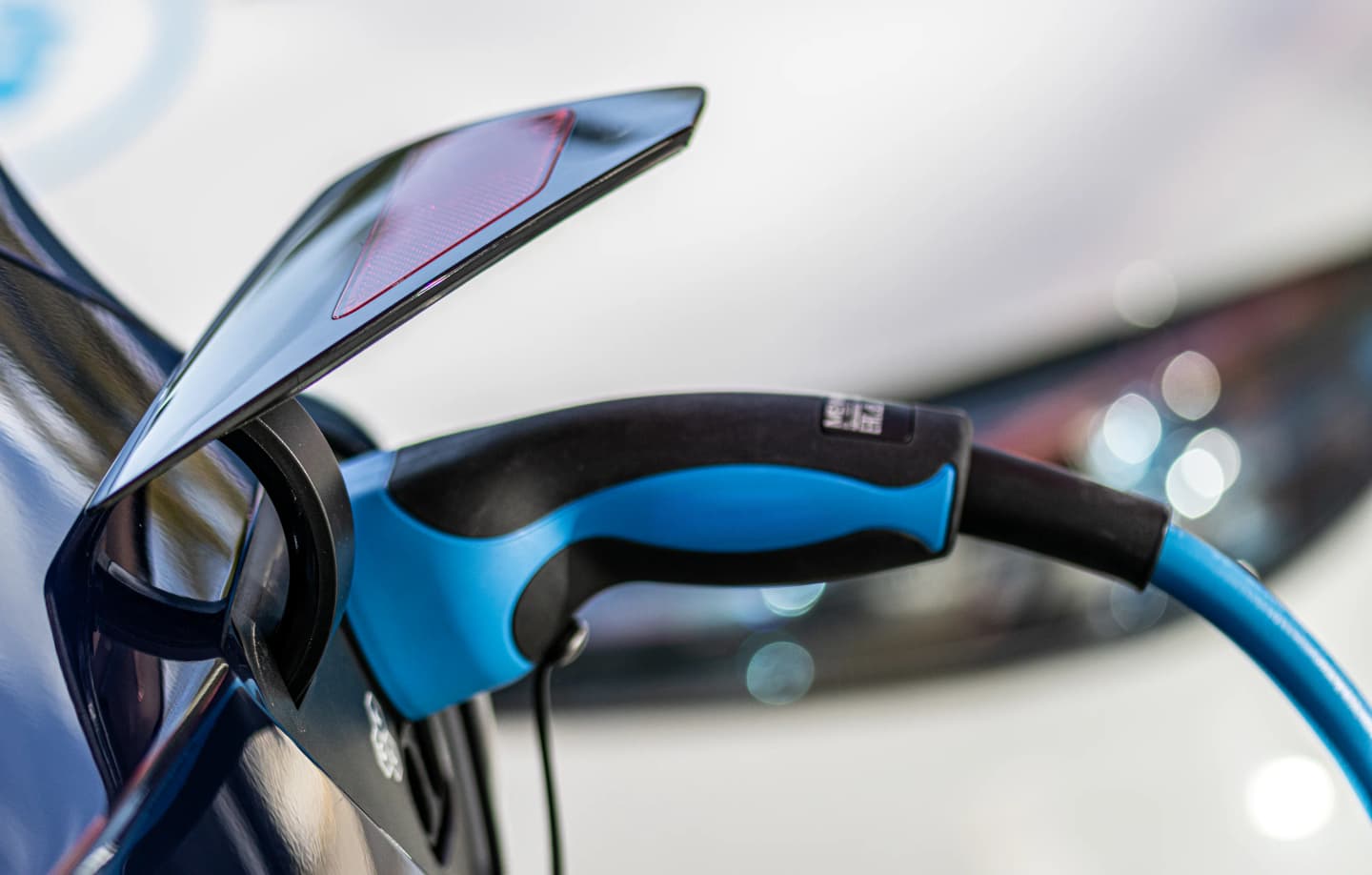
The agency adds a caveat that matters for anyone weighing a plug-in hybrid on environmental grounds: the benefit largely depends on charging behaviour, which can lead to real-world tailpipe CO2 emissions significantly higher than type-approval values.
The EREV: a China-driven category
Extended-range electric vehicles — EREVs, in the chapter's own abbreviation table — have gained ground in recent years, in the IEA's account almost entirely as a result of growing adoption in China, primarily in larger and heavier high-end vehicle segments. In 2024, EREV models accounted for nearly 25% of electric SUV sales in China, and the chapter says they dominated the larger end of the electric SUV segment, making up 60% of large models there.
For readers tracking Chinese brands as they reach other markets, the EREV share matters: a body style and powertrain mix concentrated in China's large and high-end segments is a different product set from what Europe or the United States currently offer. The chapter also records the related manufacturing footprint — Chinese OEMs' dual EV/ICE manufacturing capacity in Southeast Asia is set to almost triple by 2026 to 1.2 million vehicles, more than one-quarter of Chinese OEMs' total overseas manufacturing capacity.
Every figure above is from the IEA's Global EV Outlook 2025, chapter on trends in the electric car industry. To check it yourself: open that chapter on iea.org, use the model availability and electric vehicle range sections, and read the notes under each chart — the IEA states there that model counts rest on at least one registration per model per year and exclude a model on sale but never sold, and that electric cars cover BEVs and PHEVs while HEVs are not counted as electric. Projections, including the 1,000-model figure by 2026 and the 2030 model counts, rest on historic data and announced launches, so future editions of the outlook supersede them.