Files
BMW's solid-state demonstrator on the road: what the May 2025 release actually documents
A document report on the BMW Group/Solid Power release of May 20, 2025: large-format all-solid-state cells from Solid Power integrated into a BMW i7 test vehicle operated in the Munich area. Read alongside BMW's own Gen6 cell documents and the partnership's history, with all density and range statements attributed as manufacturer claims.
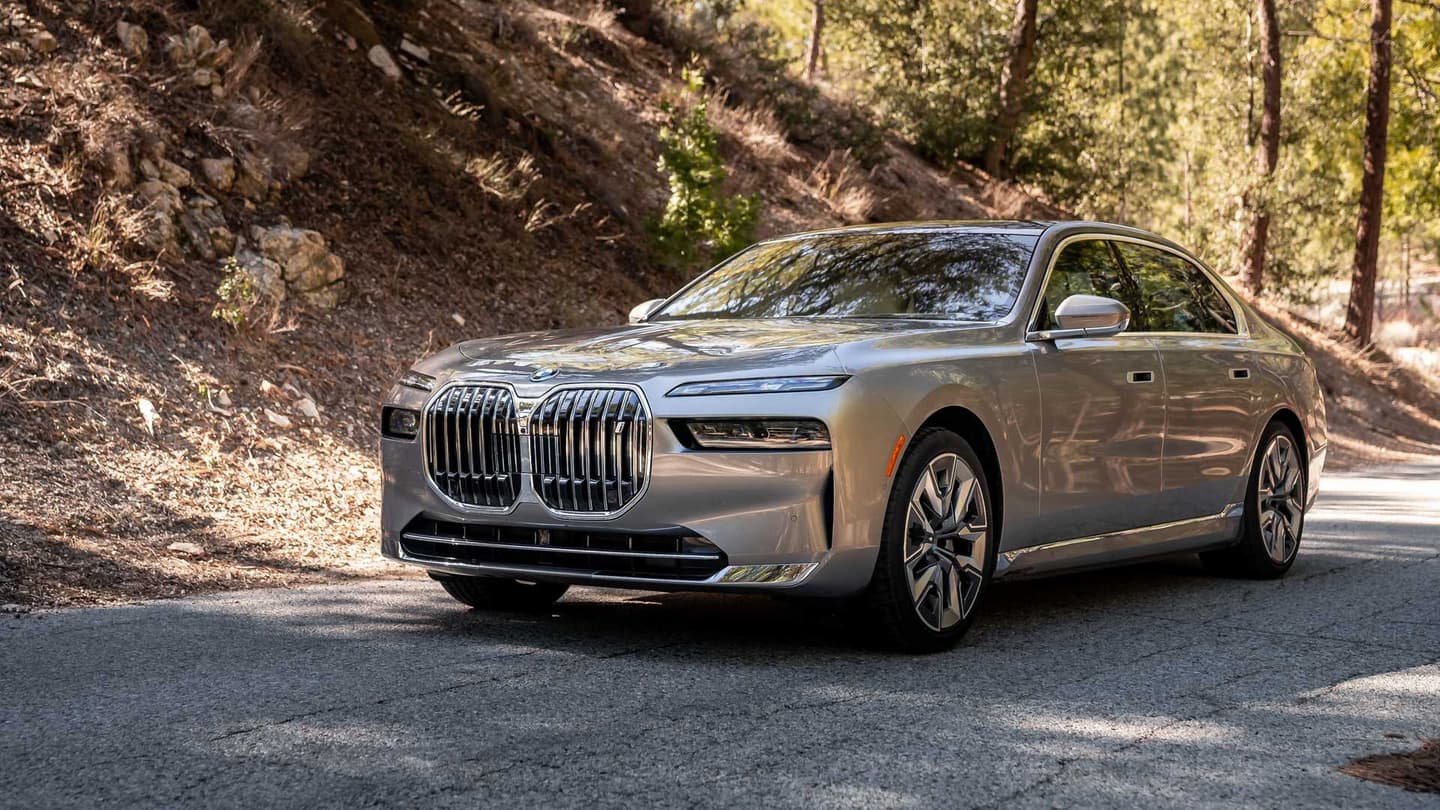
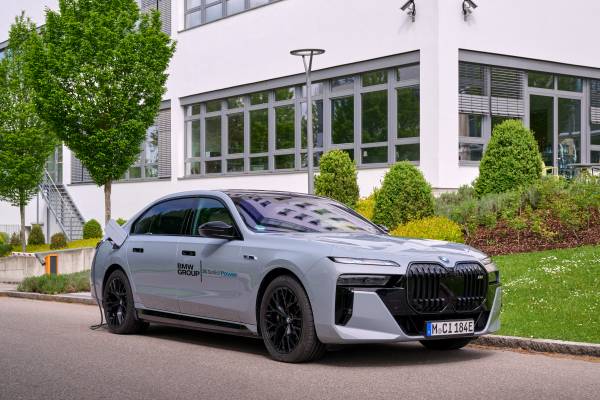
On May 20, 2025, BMW Group issued a press release on its global PressClub documenting a concrete milestone in its solid-state battery program: large-format, pure all-solid-state battery (ASSB) cells from Solid Power, Inc., installed in a BMW i7 test vehicle being operated in the Munich area. The release frames this as the first time ASSB technology has run on the road in a BMW vehicle, and it carries quotes from both companies. The i7 in question is a test vehicle, not a customer car, and the work is described as a test program spanning the coming months.
The two companies' executives frame the milestone in similar terms. John Van Scoter, Solid Power's President and Chief Executive Officer, called it "the first demonstration of truly all-solid-state battery cells in a vehicle"; Martin Schuster, BMW Group's Vice President Battery Cell and Cell Module, described the i7 as "a perfect example of the BMW Group's technology-open mindset." Both statements are vendor claims about a joint program, not independent assessments, and this piece holds no driving impression, no measurement of our own and no reliability verdict.
What the demonstrator is meant to study
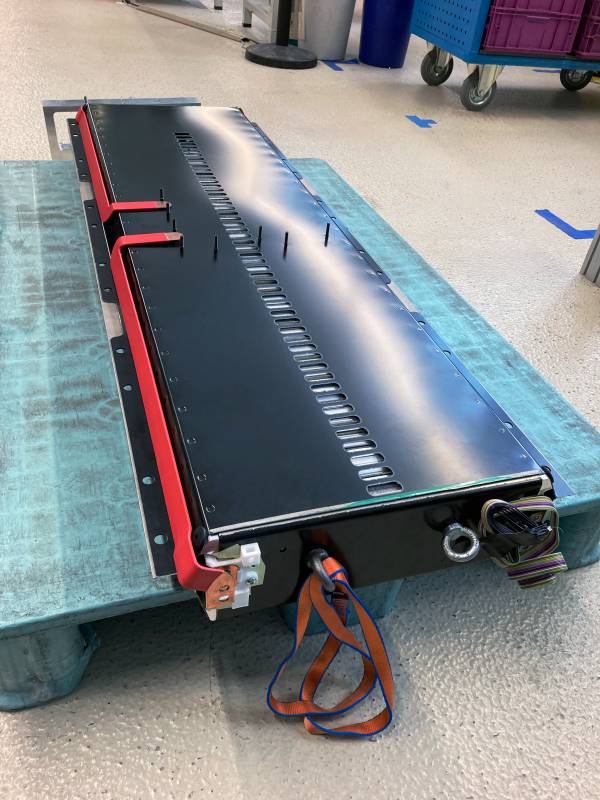
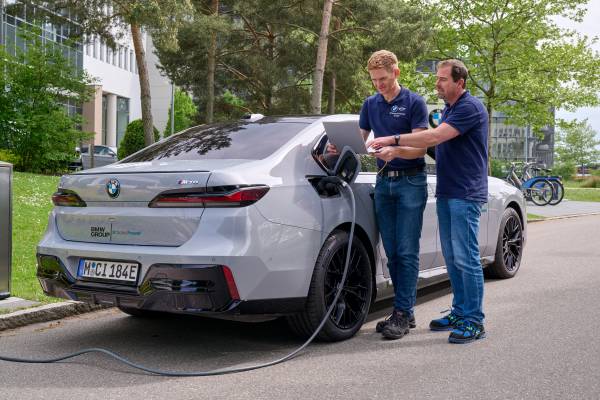
The release describes the concept battery in the i7 as combining what it calls proven Gen5 construction principles — prismatic cells in modules — with new module concepts for integrating the Solid Power cells. Three questions are named as the objects of investigation: how cell expansion is managed, how operating pressure is controlled, and how temperature conditions are adjusted. Solid Power's cells use sulfide-based electrolytes, and their complete integration into a battery pack is described as a source of findings for BMW over the coming months. The release also notes, plainly, that further development steps are required to implement ASSB technology in a competitive overall storage system.
The claimed benefit, stated as a claim
The claimed benefit of ASSB technology, as the release puts it, is higher energy density in a very compact storage system compared with current technologies, with the potential for longer range without added weight of the overall storage system. These are manufacturer statements about potential; the release presents no test cycle figures for the demonstrator, and no range number should be inferred from it. Any production-relevant consumption or range figure BMW publishes for a series vehicle carries its own market and test cycle labeling — the release's standing CO2 footnote, for example, applies to the German automotive market.
A partnership with a paper trail
The May 2025 release also lays out the chronology of the cooperation, which a reader can follow back through earlier BMW releases:
Where it sits against BMW's own Gen6 documents
BMW's own releases give the context that makes the demonstrator readable as one track within a wider cell strategy. The September 9, 2022 release on the sixth generation of BMW battery cells for the Neue Klasse stated an ambition for solid-state technology on a series timeline: high-voltage ASSB batteries ready for series introduction by the end of the decade, with a demonstrator vehicle to be presented well before 2025. The May 2025 i7 run is the demonstrator arriving within that stated frame — a development milestone on the solid-state track, not a series introduction.
The same Gen6 track is what BMW's standard round cells follow. The 2022 release described a new round cell for the NEUE KLASSE with a claimed range increase for the highest-range model of up to 30 percent according to WLTP, with volumetric energy density up more than 20 percent; the October 26, 2023 release from Parsdorf repeated the same WLTP-basis claim and detailed the cell format. Those are manufacturer targets for the conventional lithium-ion generation, named here with their test cycle, and separately from the ASSB program. The Parsdorf release also states that all-solid-state development is a named future milestone at BMW's Munich and Parsdorf competence centres.
For readers tracking the ASSB program specifically, the checks available are documentary rather than on-the-road: watch for BMW's follow-up reporting on the i7 test program the release says runs over the coming months, and for whether the end-of-decade series-introduction ambition from 2022 is maintained or revised in later BMW documents. Figures quoted here are as printed in the releases at the dates they carry; vendor targets and claims can change, and only later primary releases can confirm whether they did.
From the source
- +++ BMW Group and Solid Power partnership reaches next milestone +++ ASSB technology on the road for the first time +++ BMW battery expertise and battery strategy ensure access to the latest battery-tech developments +++
- More performance, CO2-reduced production, significantly lower costs: BMW Group to use innovative round BMW battery cells in NEUE KLASSE from 2025
- Expertise built into every cell: BMW Group produces battery cell samples in Parsdorf