History
From looms to the Toyopet Crown: Toyota's beginnings, in the company's own records
A history files entry drawing on Toyota Motor Corporation's official chronology of its own beginnings, 1929–1959: the patent agreement with Platt Brothers, the Automotive Division at Toyoda Automatic Loom Works, the Model AA, the founding of Toyota Motor Co., Ltd., the Koromo Plant and Just-in-Time, the 1950 business management crisis and labor dispute, the Land Cruiser BJ and the 1955 Toyopet Crown.

On video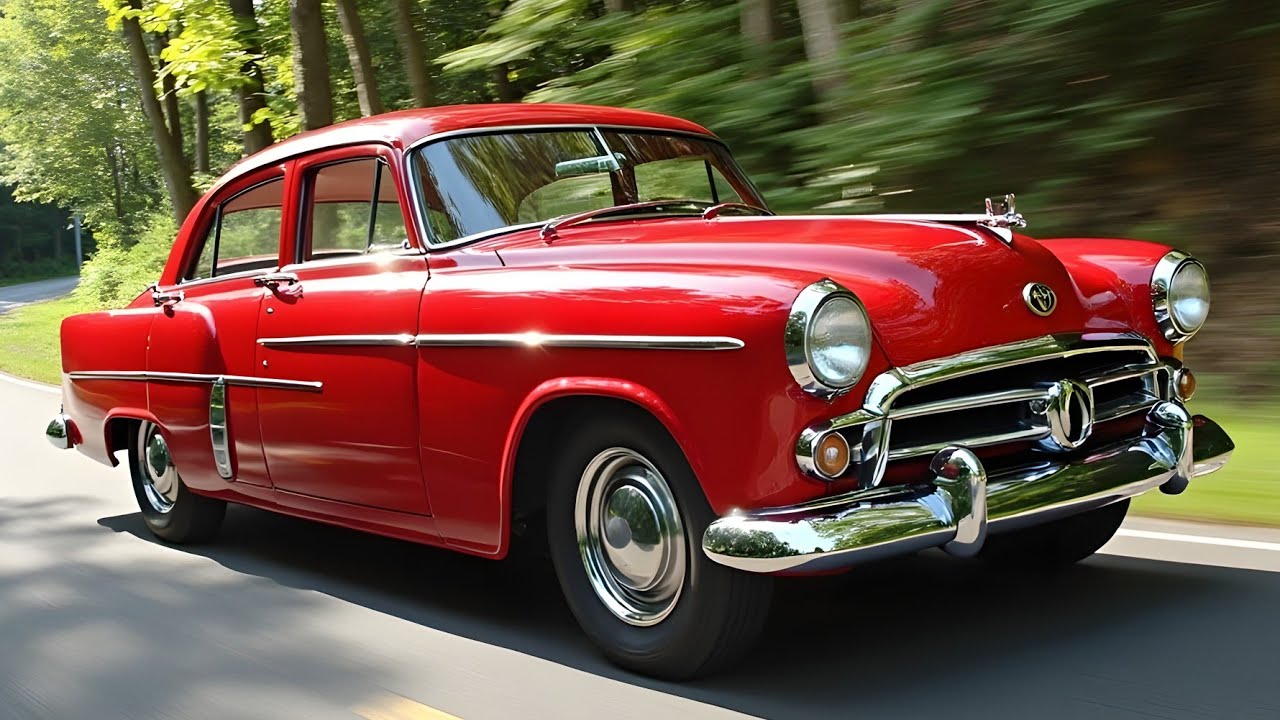 The 1955 Toyota Crown: Japan's First Luxury Sedan That Took on American Giants!Havey Duty · opens the player
The recording belongs to Havey Duty and plays from YouTube; opening it lets YouTube see the request. Watch on YouTube.
Toyota publishes a detailed official chronology of its own beginning on its global website. The company's "Trajectory of Toyota" history chapter, a chronological record maintained on global.toyota, runs from Kiichiro Toyoda's 1929 trip abroad to the Toyopet Crown of 1955 and the first Japanese passenger car exported to the United States in 1957. Read as a single document, it is a compact study of how a loom works became an automaker - through a licensing deal, a wartime economy, a crisis-era split and, eventually, an original Japanese-designed sedan.
What follows is a files entry: the dates and events are those printed on the company's history page, dated to the years Toyota assigns them, and nothing here rests on driving impressions, measurements or our own judgment. Where the record is a one-line entry, that is how it is reported.
From patent agreement to Model AA, 1929–1936
The record begins with Kiichiro Toyoda traveling overseas: in 1929 he traveled to gather information on the U.S. machine and automotive industries and signed a patent transfer agreement with Platt Brothers & Co., Ltd. in the UK. Back home, automotive surveys and research commenced in 1930. The first product was not a car: the Toyoda Model G1 Truck debuted in 1935, followed in 1936 by the Toyoda Model AA.
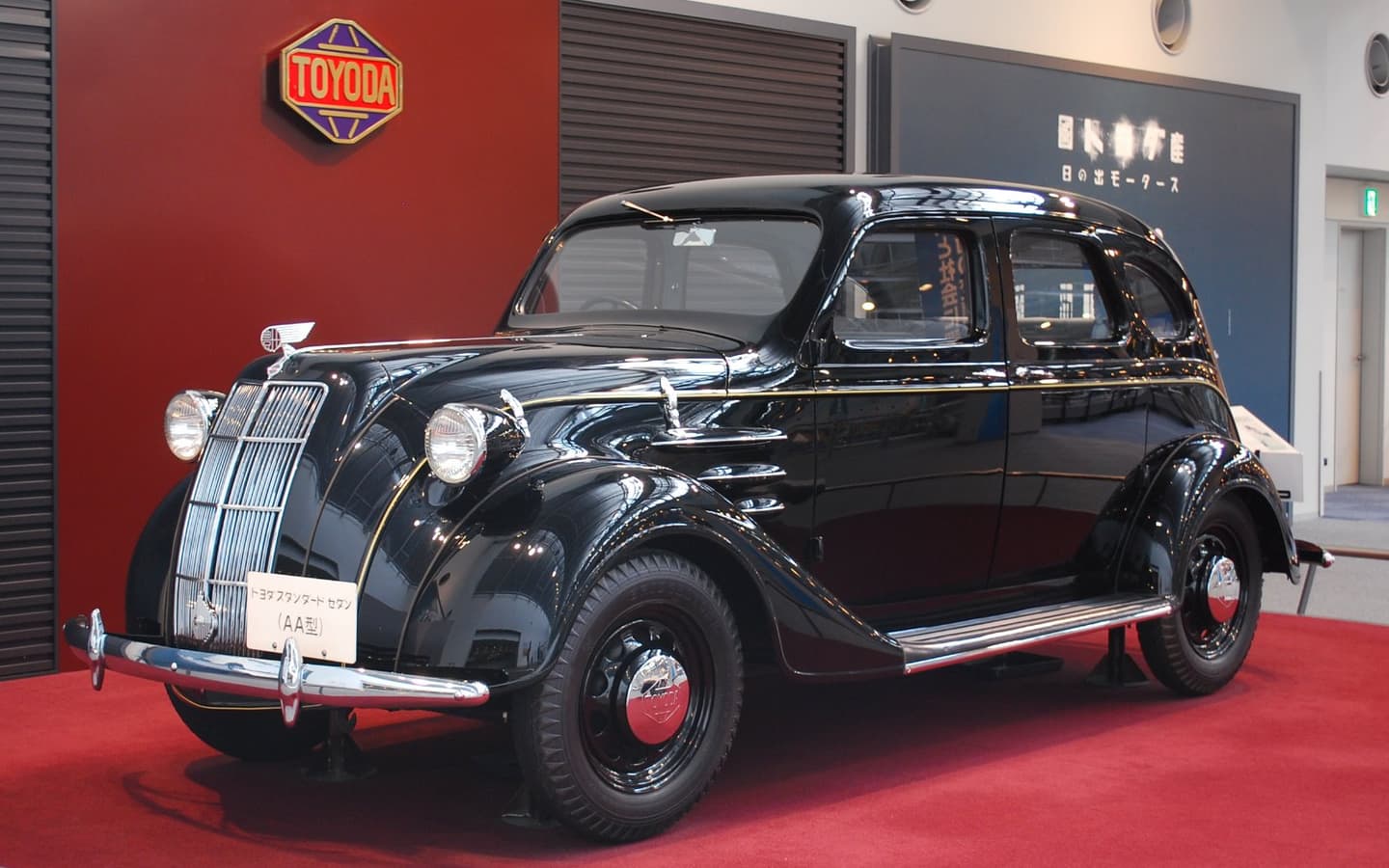
The corporate base was the family firm. In 1933 Toyoda Automatic Loom Works established its Automotive Division; 1935 brought the Five Main Principles of Toyoda, and 1936 the Toyota logo. The chapter also lists affiliated companies founded in the 1940s and later that became the Toyota group - among them Toyoda Seiko (now Aichi Steel Corporation, 1940), Nippondenso (now Denso Corporation, 1949) and Toyota Shatai Kogyo (now Toyota Auto Body Co., Ltd., 1945).
Toyota Motor Co., Ltd., wartime rules and Just-in-Time, 1937–1949
The automaker became its own company in 1937, when Toyota Motor Co., Ltd. was established, with Risaburo Toyoda appointed president and Kiichiro Toyoda vice president. In 1938 the Koromo Plant (now Honsha Plant) started operations, the Just-in-Time system was launched, and the Toyoda Model GB Truck was launched.
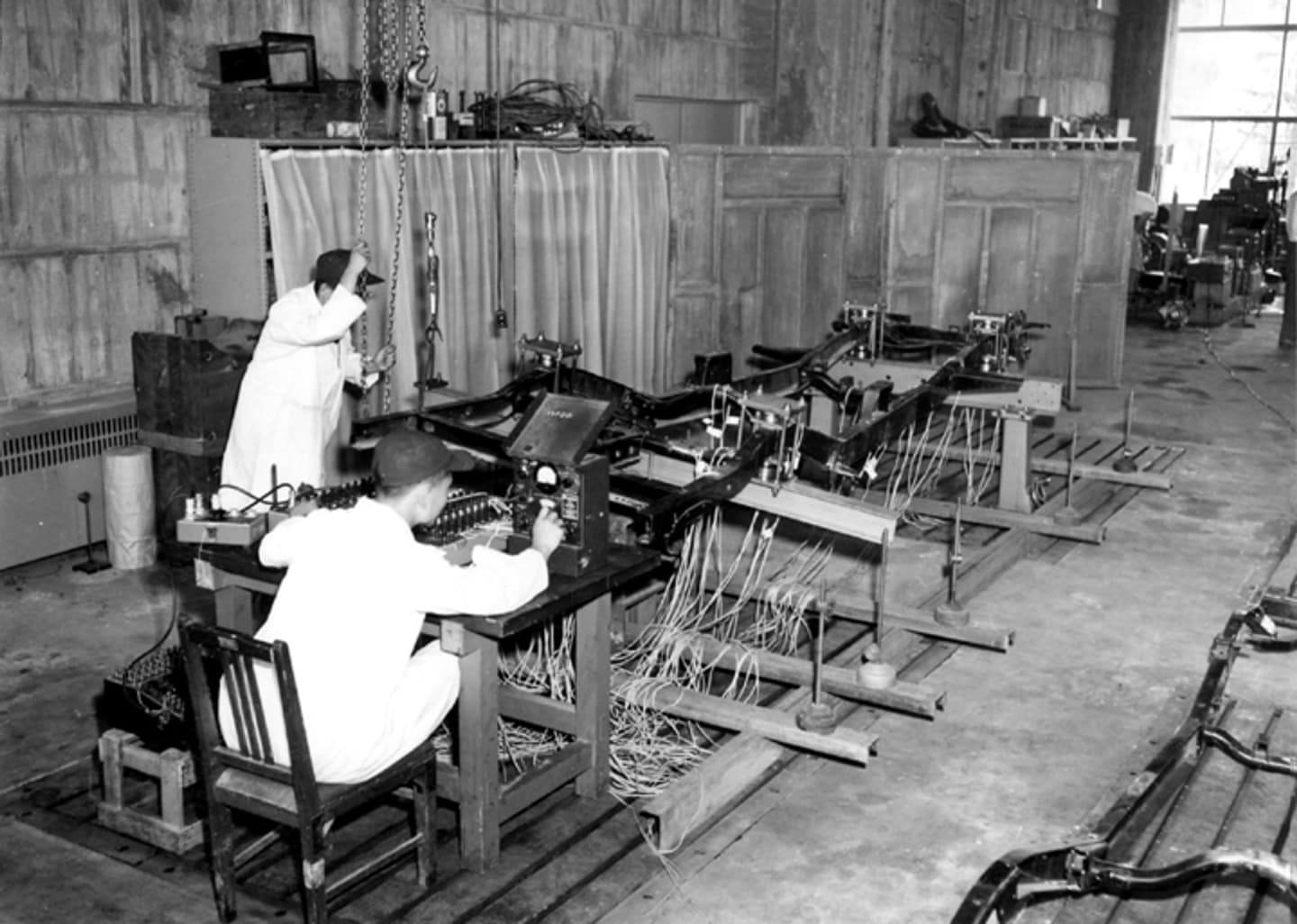
The wartime economy shaped what Toyota could build. In 1938 the Japanese government put the National Mobilization Law into force, which regulated the distribution of materials and fuel for automotive manufacturing; annual production in Japan reached 10,000 units in 1939. Products followed government requirements: the 1941 Toyota Model AE (Shin Nippon Go), developed to conserve fuel at the request of the Ministry of Commerce and Industry, and the 1943 Toyota Model KC Truck, designed to reduce use of steel as specified by the same ministry. After the war, GHQ permitted truck production in September 1945 and conversion to consumer goods production in December 1946.
The immediate postwar years brought the Toyopet line: the Model SB small truck and Model SA compact passenger car, both launched in 1947, an open test drive of the SA in 1948 - the company's photograph shows it racing an express train from Nagoya to Osaka - and the Model SD in 1949. Cumulative production in Japan reached 100,000 units in 1947.
The 1950 crisis: sales company, layoffs and a resignation
The record titles the period a business management crisis. In 1949 the Dodge Line, a financial and monetary contraction policy announced by GHQ, provoked a serious recession; in 1950 profitability deteriorated owing to rising raw material costs and the gap between the official price of the product and the market price. On April 3, 1950, Toyota Motor Sales Co., Ltd. was established, with Shotaro Kamiya appointed president. A labor dispute over layoffs erupted on April 9; Kiichiro Toyoda resigned as president to take responsibility for it on June 5, and the dispute concluded on June 10. The company notes that a Joint Declaration of Labor and Management was signed later, in 1962.
Four-wheel drive, the R Engine and the Crown, 1951–1959
Recovery came with new products and systems. The Land Cruiser (BJ), the four-wheel drive line's origin in this record, launched in 1951. Internal programs followed: a Facility Modernization Five-Year Plan and the Creative Idea Suggestion System, both begun in 1951; a company song and flag in 1952; the slogan "Good Thinking, Good Products" selected in 1953; the Main Technical Building (Technical Center) completed in 1954 and the Honsha Test Track in 1956.
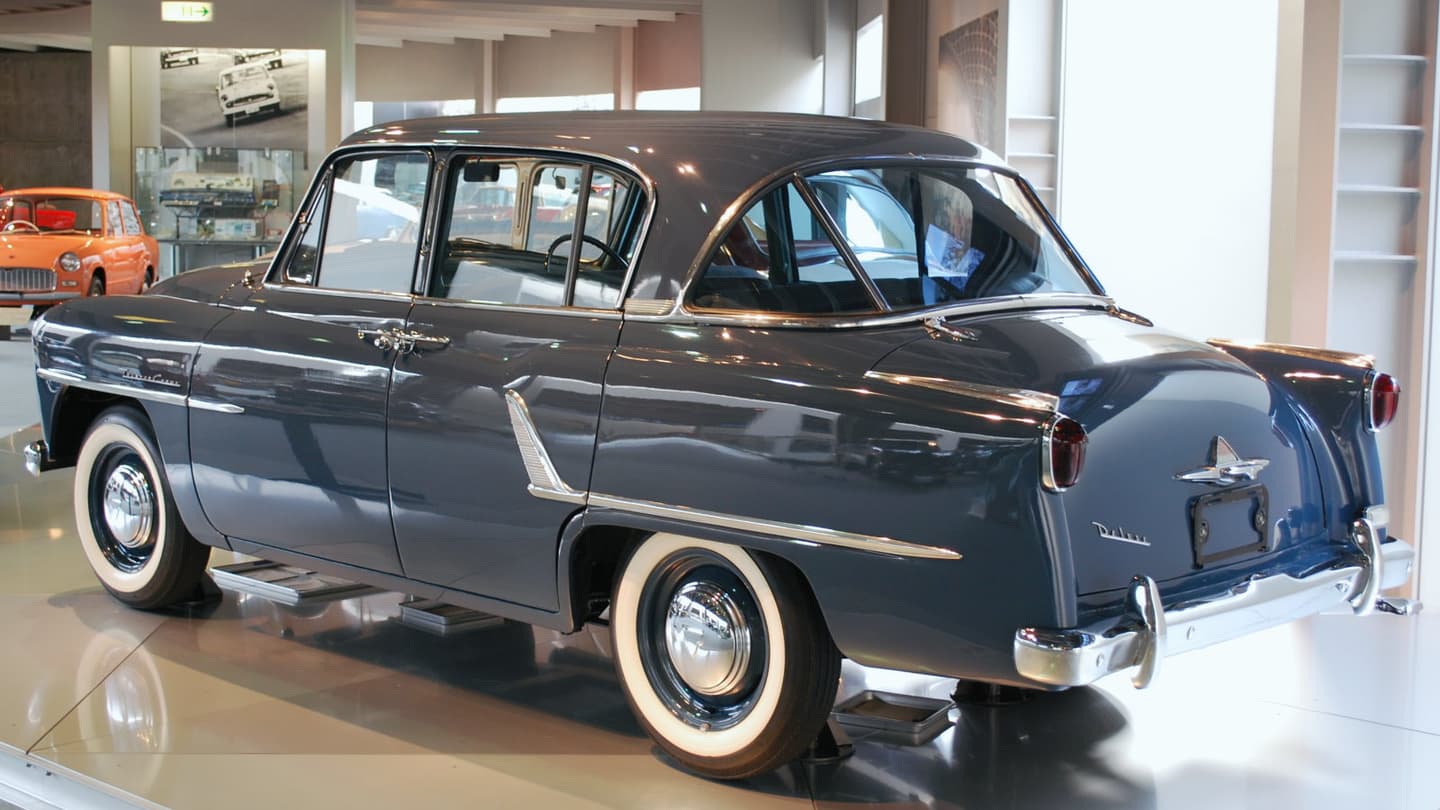
The passenger-car milestone came in 1952 with the R Engine, described in the record as featuring a major boost in output, fitted from 1953 to the Toyopet Super Model RH. Then, in 1955, the Toyopet Crown (Model RS) launched - which Toyota describes as entirely based on original Japanese technology, from design through manufacturing. In 1957 the Crown became the first Japanese passenger car exported to the U.S., and Toyota Motor Sales, U.S.A., Inc. was established that year; Toyota do Brasil Ltda. followed in 1958. The 1957 Toyopet Corona launched to accommodate the small car market, and cumulative production in Japan reached 500,000 units in 1959.
A caution for the reader: this is the manufacturer's own chronology, written by the company about itself. Its dates and product names are the primary record and can be cited as such, but its characterizations - such as the description of the Crown's engineering - are Toyota's, not independent assessments.
To check any date above, read the company's "The Beginnings" chapter of Trajectory of Toyota on Toyota's global website (global.toyota), where each event carries the year the company assigns it and links to archival photographs. Company histories elsewhere - heritage museum pages, dealer material, other manufacturers' timelines - are secondary for this purpose; for a fact in the record, the company's own dated chapter is the document to open.